Table of Contents
- Understanding Historic Roof Restoration Standards
- Common Roofing Materials for Historic Homes
- Signs Your Historic Roof Needs Restoration
- Historic Home Roof Repair Permits and Local Guidelines
- Cost of Historic Roof Restoration and Financing Options
- Finding Historic Roofing Contractors Who Understand Preservation
- Maintenance Protocols to Extend Your Historic Roof’s Lifespan
- Conclusion
Last Updated: August 6, 2026
Understanding Historic Roof Restoration Standards
Roof restoration for historic homes involves repairing, reinforcing, or carefully replacing roof components while preserving architectural heritage and original character. This work differs fundamentally from standard roofing because it must balance functional protection with historical authenticity.
Historic homes, typically those built before 1950, feature unique roof designs, materials, and construction methods that modern roofing practices weren’t designed to address. A slate roof from 1890 is part of the building’s architectural integrity. The Secretary of the Interior’s Standards for Rehabilitation provide the framework governing restoration work in historic districts and on registered historic properties, requiring that historic character be retained, original materials be preserved where possible, and new work be compatible with the existing structure.
Many homeowners discover that standard roofing contractors lack the specialized knowledge needed for historic work. They might recommend full replacement when selective repair would suffice, or propose modern materials that violate preservation guidelines. Understanding these standards is critical for compliance with local historic district guidelines and protecting your home’s long-term value and authenticity.
The restoration process involves detailed assessment of existing conditions, identification of original materials and construction methods, and a preservation plan prioritizing retention over replacement. In Liberty Twp and surrounding areas of Ohio, many historic homes face accelerated deterioration from weather exposure and age, making informed restoration decisions essential.
Before any roof work begins, check whether your home is in a designated historic district or listed on the National Register of Historic Places. Local preservation boards often require approval before restoration work can proceed.
Common Roofing Materials for Historic Homes
Historic homes were constructed with materials chosen for durability, aesthetics, and available technology. Understanding what’s on your roof shapes every restoration decision.
Slate roofing represents the gold standard of historic materials, lasting 75 to 200 years depending on quality and exposure. Slate’s weight, color variation, and texture create the distinctive appearance defining many 19th-century homes. Restoration typically involves selective slate replacement and careful re-fastening of loose tiles rather than wholesale replacement, as original nails corrode and modern replacements must match original specifications.
Cedar shake roofing appears on many homes from the 1800s through mid-1900s. Cedar’s natural oils provide weather resistance, and its warm appearance is difficult to replicate with modern materials. Preservation specialists often retain original cedar where structural integrity remains sound, replacing only deteriorated sections.
Clay tile roofing, common in certain regions and architectural styles, demands equally specialized knowledge. These brittle tiles require careful handling, and modern tile substitutes rarely match the original aesthetic or performance characteristics.
Copper flashing appears on many historic roofs around chimneys, valleys, and roof penetrations. Copper develops a protective patina over decades that extends the material’s lifespan. Inexperienced contractors sometimes remove this patina or replace copper with cheaper aluminum, compromising both appearance and longevity.
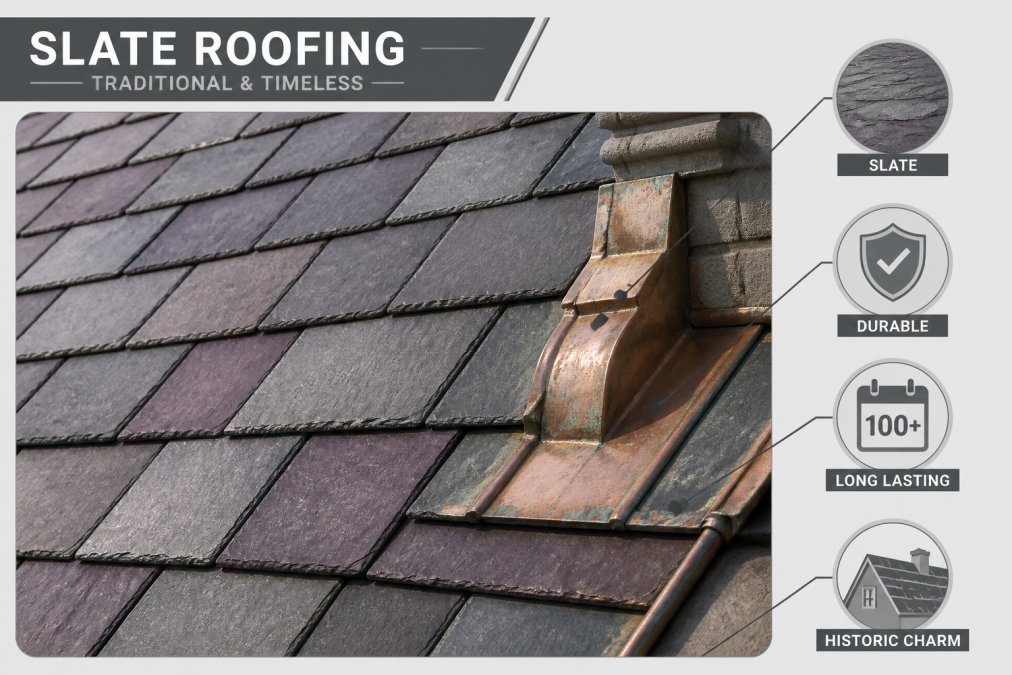
Modern asphalt shingles are considered temporary by preservation standards. They may be acceptable in non-visible areas or on secondary structures, but primary roof surfaces typically require materials matching the original in appearance and longevity.
Many historic homes have been re-roofed multiple times, and uncovering the original material reveals important information about the home’s construction and intended appearance.
The material on your historic roof determines restoration method, material compatibility, and whether local preservation approval is required. Misidentifying original materials can lead to inappropriate repairs that damage authenticity and property value.
Signs Your Historic Roof Needs Restoration
Recognizing deterioration early prevents emergency repairs and more costly structural damage. Historic roofs show wear differently than modern roofs.
Visible leaks or water staining on interior ceilings and walls indicate compromised weatherproofing. In historic homes, water penetration can damage original plaster, wood framing, and insulation. Unlike modern construction, historic buildings often lack vapor barriers, making them more vulnerable to moisture-related decay.
Sagging or uneven roof lines suggest structural issues with the roof substrate or supporting framing. This settling can create stress points where water collects, affecting water drainage and accelerating deterioration.
Missing, cracked, or loose tiles or shakes compromise the protective roof envelope. For slate roofs, missing tiles expose the underlayment to direct weather. For cedar shake roofs, gaps allow water to penetrate the substrate and damage framing beneath.
Deteriorated flashing around chimneys, valleys, and penetrations is one of the most common failure points. Original copper flashing may have corroded fasteners, and sealant around flashing often fails before the roof material itself.
Moss, algae, or lichen growth indicates moisture retention and poor drainage. While these growths don’t immediately damage roofing material, they trap moisture and accelerate deterioration.
Deteriorating mortar or caulking between roof components indicates that sealants have failed. Repointing or recaulking is often the first step in restoration.
Many historic homeowners wait too long before addressing roof issues. By the time visible leaks appear, water damage to interior structure may be substantial. A professional roof assessment every 5 to 7 years catches problems early, when selective repair is still possible.
Ignoring signs of roof deterioration on a historic home can result in accelerated structural decay, particularly in wood framing and original plaster ceilings. Water damage compounds quickly in older buildings, and remediation costs increase exponentially with delay.
Historic Home Roof Repair Permits and Local Guidelines
Working on a historic roof often requires permits and approval from local preservation authorities, a step many homeowners overlook until their contractor identifies the requirement mid-project.
Historic district guidelines vary by jurisdiction but typically require that any exterior work maintain the building’s historic character. In Ohio, many communities have established historic district commissions that review and approve exterior modifications, examining whether proposed materials, colors, and methods are compatible with the property’s historic significance.
National Register of Historic Places listings trigger additional considerations. Properties listed on the National Register are eligible for historic tax credits but also subject to Section 106 review if federal funding or permits are involved.
Local building codes sometimes conflict with preservation requirements. Modern codes may require ventilation specifications or structural improvements that historic roofs weren’t designed to accommodate. Resolving these conflicts requires working with both building inspectors and preservation authorities.
Secretary of the Interior’s Standards for Rehabilitation form the basis for most preservation review, emphasizing retention of historic materials and character-defining features, appropriate repair techniques, and compatibility of new work with the original.
The permitting process typically involves submitting detailed plans showing existing conditions, proposed work, materials to be used, and how the work aligns with preservation guidelines. This documentation protects you and ensures that work meets standards.
DGK Home Solutions assists Liberty Twp homeowners with the permitting process, helping navigate local requirements and coordinate with preservation boards.
Homeowners in designated historic districts or on properties listed on the National Register who need to understand local approval requirements before planning restoration work.
Cost of Historic Roof Restoration and Financing Options
Historic roof restoration costs more than standard roofing work because of specialized labor, material sourcing, and slower installation methods required to preserve existing structure and character.
Several factors influence restoration costs: the extent of deterioration, the type of original roofing material, the roof’s complexity, and local labor availability. Material sourcing also affects cost, as authentic replacement slate, copper, or cedar shake may need to be sourced from specialty suppliers.
Historic tax credits provide a federal income tax credit equal to 20% of qualified rehabilitation expenses for properties listed on the National Register of Historic Places. This is one of the most valuable incentives available, though the property must meet specific criteria and work must follow Secretary of the Interior’s Standards.
State historic preservation grants exist in many states, though availability and eligibility vary. Ohio’s historic preservation office administers grants for qualified projects, typically competitive but potentially offsetting a significant portion of restoration costs.
Home equity lines of credit or home improvement loans allow you to spread restoration costs over time. Historic homes often appreciate when properly restored, making the investment recoverable through increased property value.
Insurance claims may cover roof damage from storms or other insurable events. The key is working with an insurance adjuster who understands historic restoration costs, as standard roofing estimates often undervalue the work required.
For homeowners in Liberty Twp planning restoration work, obtaining multiple estimates is essential. A low estimate may reflect inadequate understanding of historic preservation requirements. The lowest price often means the contractor plans to cut corners on materials or methodology.
When evaluating financing, consider the long-term value of authentic restoration versus temporary fixes. A properly restored historic roof protects your home’s structural integrity and maintains its market value.
Finding Historic Roofing Contractors Who Understand Preservation
Not all roofing contractors are equipped to handle historic roof restoration. The specialized knowledge required, understanding preservation standards, working with historic materials, and navigating local approval processes, separates qualified specialists from general contractors.
Verify preservation experience. Ask potential contractors about their experience with historic roofing specifically. How many historic restorations have they completed? Can they reference homes they’ve worked on? Ask about their familiarity with Secretary of the Interior’s Standards and local preservation guidelines.
Check credentials and certifications. Some contractors hold certifications from preservation organizations or have completed specialized training in historic restoration. Ask whether they’re members of professional organizations focused on historic preservation.
Request detailed project plans. Qualified contractors provide written specifications describing existing conditions, proposed methods, materials to be used, and how the work will proceed.
Verify insurance and licensing. Ensure contractors carry adequate liability insurance and are properly licensed in your state.
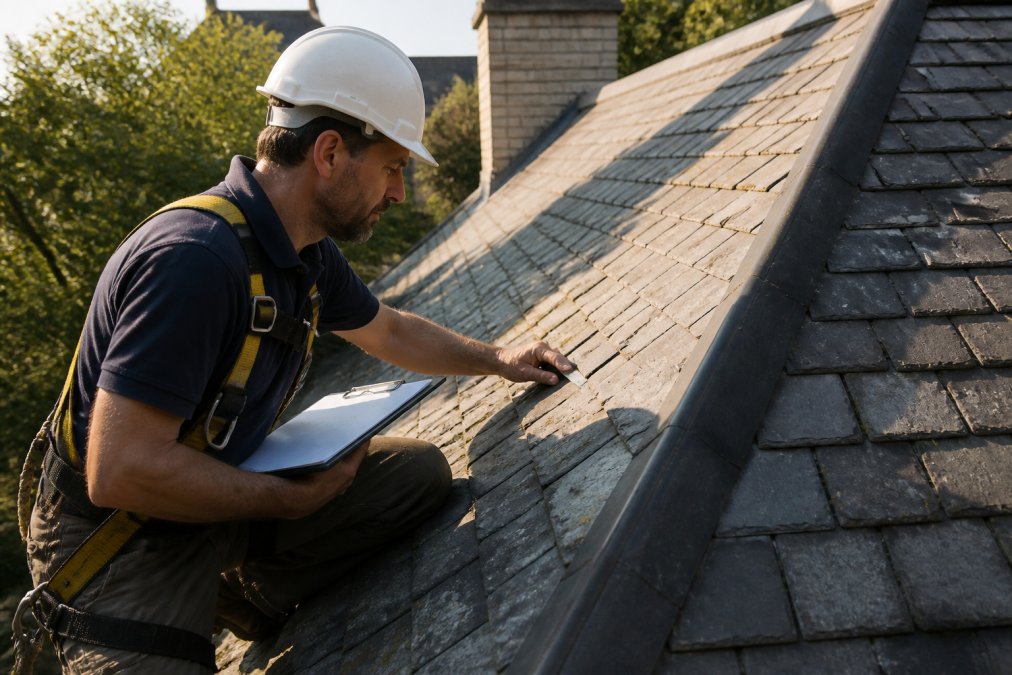
Ask about insurance claim coordination. If your restoration is being funded by an insurance claim, the contractor should have experience working with adjusters and documenting damage and repairs.
Check references thoroughly. Contact homeowners and ask specific questions: Did the contractor complete work on schedule? Were there unexpected costs? How did they handle complications? Did the finished work meet preservation standards?
DGK Home Solutions brings over 20 years of experience to residential and commercial roofing projects throughout the Greater Cincinnati area, including specialized historic restoration work. The team’s approach emphasizes honest assessment of property conditions, clear communication throughout the process, and top-quality materials and workmanship. Their experience with insurance claims means they understand how to document damage and coordinate with adjusters.
A qualified historic restoration contractor asks detailed questions about the home’s history, examines existing materials carefully, and proposes solutions balancing preservation with practical protection. They understand that historic restoration is about maintaining the building’s character and integrity.
When contacting contractors, ask specifically how they would approach your home’s particular roofing material and condition. A contractor who launches into a standard pitch without asking questions likely lacks the specialized knowledge historic restoration requires.
Maintenance Protocols to Extend Your Historic Roof’s Lifespan
Once your historic roof is restored, ongoing maintenance becomes critical to protecting your investment and preserving the building envelope.
Annual inspections catch small problems before they become major issues. Walk around your home after severe weather, looking for loose tiles, damaged flashing, or debris accumulation. Twice yearly, inspect interior ceilings and attics for water stains or moisture.
Clear debris regularly. Leaves, branches, and moss accumulation trap moisture and accelerate deterioration. Gutters and valleys need regular cleaning to ensure proper drainage.
Address small repairs promptly. A single loose slate or missing cedar shake exposes the underlayment to direct weather exposure. Small repairs are inexpensive and quick; delaying them allows water to penetrate and damage the substrate.
Avoid pressure washing. Pressure washing damages historic roofing materials. Slate can crack, cedar shake can split, and mortar or caulking can be forced out. Hand cleaning or soft-wash methods are appropriate for historic roofs.
Maintain proper ventilation. Historic roofs often lack modern ventilation systems, but the roof structure should breathe to prevent moisture accumulation.
Document your roof’s condition. Keep photos and written records of your roof’s condition over time. This documentation helps track deterioration patterns and informs future maintenance decisions.
Plan for long-term care. Historic roofs require periodic maintenance as part of responsible stewardship. Budget for regular inspections and selective repairs. This proactive approach costs far less than emergency repairs after years of deferred maintenance.
Historic roof restoration requires specialized knowledge, careful planning, and commitment to preservation standards. Whether you’re restoring a slate roof from the 1880s or a cedar shake roof from the 1920s, the principles remain consistent: preserve original materials where possible, use compatible repair methods, and work with contractors who understand both the technical and preservation aspects of the work.
If you’re in Liberty Twp or the Greater Cincinnati area and need guidance on historic roof restoration, DGK Home Solutions provides expert assessment and honest recommendations. With over 20 years of experience in roofing restoration, the team understands the unique requirements of historic homes and the permitting, material, and preservation considerations that guide appropriate work. Contact DGK Home Solutions for a free assessment of your historic roof’s condition and a detailed restoration plan tailored to your home’s specific needs.
Frequently Asked Questions
What are the best materials for historic roof restoration?
The best materials match your roof's original composition and era. Slate, cedar shake, and clay tile are common for older homes and meet preservation standards. Modern alternatives like architectural shingles designed to mimic historic profiles are acceptable if original materials are unavailable. Copper flashing and traditional underlayment also preserve architectural authenticity. Your contractor should assess what materials align with your home's heritage and local preservation guidelines before recommending replacements.
Do I need a permit to replace a roof on a historic home?
Yes, most historic homes require permits for roof restoration or replacement. If your home is in a historic district or listed on the National Register of Historic Places, you'll need approval from your local historic preservation commission before work begins. Cincinnati-area homeowners should check with their city or township zoning office and any applicable historic district guidelines. Permits ensure your restoration meets the Secretary of the Interior's Standards for Rehabilitation and local preservation requirements. A qualified contractor familiar with historic home roof repair permits can guide you through the application process.
How do I find a contractor specializing in historic roof restoration?
Look for contractors with documented experience on historic properties and familiarity with preservation standards. Ask for references from previous historic home projects, verify they understand local permitting requirements, and confirm they know the difference between repair and full restoration. Check whether they're familiar with the Secretary of the Interior's Standards for Rehabilitation. Interview multiple contractors about their approach to material authenticity and structural integrity. A qualified contractor should explain how they'll preserve your roof's architectural heritage while addressing weather damage and building envelope protection.
Can I use modern roofing materials on a historic home?
Modern materials can be used if they're compatible with your home's architectural heritage and meet local preservation guidelines. Some modern alternatives, like architectural shingles designed to replicate historic profiles, are acceptable under preservation standards. However, materials must maintain the roof pitch, visual appearance, and overall character of the original design. Local historic district guidelines may restrict certain materials entirely. Before selecting modern alternatives, consult your local preservation commission and a contractor experienced in historic roof restoration to ensure compliance with both preservation standards and building codes.
This article was written using GrandRanker