Table of Contents
- Why Older Homes Are Vulnerable to Water Damage
- Signs of Water Damage in Older Homes
- Foundation and Basement Waterproofing for Older Homes
- Plumbing Inspection Checklist for Historic Homes
- Roof, Gutter, and Exterior Drainage Maintenance
- Exterior Grading, Caulking, and Moisture Barriers
- Smart Home Leak Detection Technology
- Homeowners Insurance Water Damage Coverage
Last Updated: August 5, 2026
Why Older Homes Are Vulnerable to Water Damage
Homes built before the 1980s have foundation materials, plumbing systems, and exterior structures that degrade differently than modern construction. Aging materials, settling foundations, and outdated drainage systems create an environment where water intrusion becomes nearly inevitable without proactive intervention. Older homes typically lack modern waterproofing membranes and were built on clay or compacted soil without today’s grading standards. Over decades, soil settles, gutters corrode, and caulking fails. The real vulnerability comes from hydrostatic pressure, the force of water pushing against foundation walls from saturated soil. This pressure exploits weaknesses that have developed over 50, 75, or 100 years, turning hairline cracks into weeping pathways.
At DGK Home Solutions, we’ve inspected hundreds of older homes throughout the Greater Cincinnati area. Properties that received regular maintenance hold up remarkably well, while those that didn’t face serious water damage by their 40th or 50th year. Preventing water damage in older homes is entirely achievable with the right approach and consistent attention.
Signs of Water Damage in Older Homes
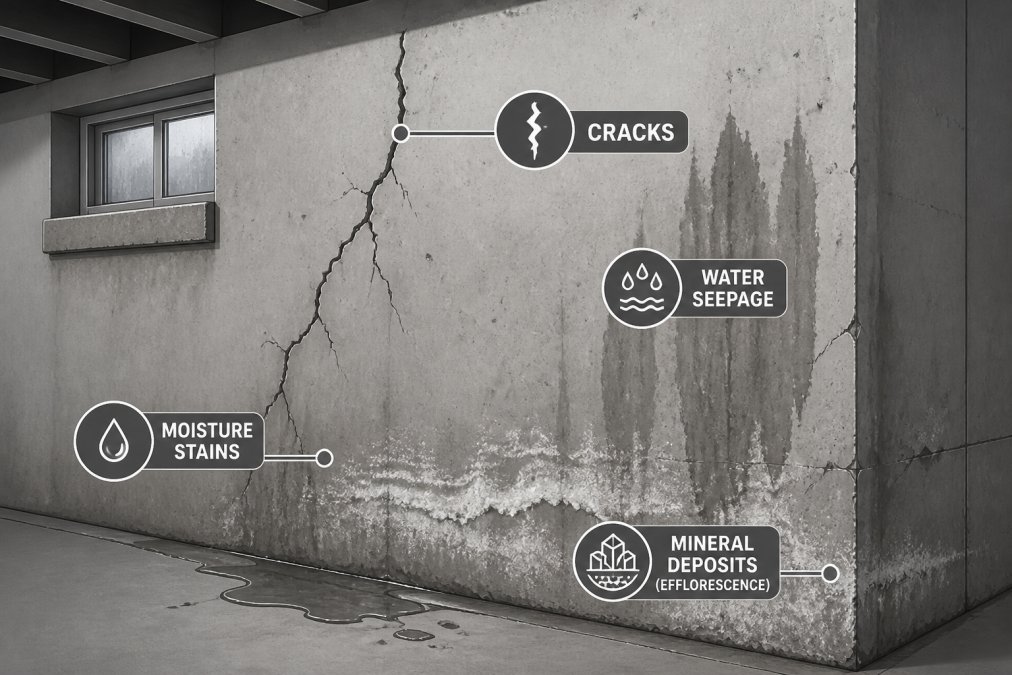
Catching water damage early prevents minor repairs from becoming major structural problems. Water stains on basement walls, typically appearing as dark streaks or tide marks, show where water has reached during past events. Efflorescence, a white, chalky mineral deposit on concrete, indicates water has been moving through the foundation. Mold and mildew growth signal moisture problems present long enough for biological colonization, while musty odors in basements or crawl spaces often precede visible mold by weeks or months.
Paint peeling from basement walls, rust stains on metal objects, and warped wood framing all point to sustained moisture exposure. Check metal pipes for pinhole leaks or discoloration. Foundation cracks deserve special attention: horizontal cracks suggest hydrostatic pressure is actively pushing on the wall, while stair-step cracks following mortar lines indicate structural settling. Cracks wider than one-quarter inch warrant professional evaluation.
Foundation and Basement Waterproofing for Older Homes
Basement waterproofing for older homes addresses the root cause of most water intrusion: hydrostatic pressure and failing exterior drainage. You’re working with materials that have already absorbed water and shifted over time, with the goal of redirecting water away from the foundation and managing any water that reaches it.
Identifying Foundation Cracks and Hydrostatic Pressure
Foundation cracks tell a story of how water has moved through the structure. Horizontal cracks indicate active hydrostatic pressure pushing inward on the wall, often appearing at the joint where the foundation wall meets the floor. Stair-step cracks following mortar joints in brick or block foundations suggest uneven settling and stress points where water finds pathways. Hairline cracks seem insignificant but still permit water seepage, as water molecules move through openings barely visible to the eye.
Identifying hydrostatic pressure involves observing where water enters. If water appears at the base of the wall where it meets the floor, pressure is pushing it through the joint. If water stains scatter across the wall at various heights, the home may have different moisture sources, roof leaks, gutter overflow, or landscaping directing water toward the foundation.
Installing Weeping Tiles and Sump Pump Systems
Weeping tiles, also called drain tiles or perforated pipes, intercept groundwater before it reaches the foundation. These perforated pipes are installed in a trench around the foundation’s exterior, below the frost line, collecting water moving through soil and directing it away from the house. Interior drain tile systems offer an alternative when exterior excavation isn’t feasible, running along the interior basement floor to collect water that has already entered.
Sump pump systems manage water collected in the drain tile. The pump sits in a sump pit and automatically activates when water reaches a certain level. Choose a pump with adequate capacity for your basement size and rainfall patterns. Battery backup pumps provide protection during power outages, which often occur during heavy storms when pumps are needed most. Proper sump pit construction requires at least 18 inches in diameter and sufficient depth to hold water without backing up into the basement. A check valve prevents water from flowing backward after the pump shuts off. Discharge the pump outlet at least 10 feet from the foundation, ideally into a storm drain.
Plumbing Inspection Checklist for Historic Homes
The plumbing system in older homes often represents the greatest source of interior water damage. A comprehensive inspection identifies problems before they cause damage, saving thousands in repair costs.
Start by identifying your plumbing materials. Homes built before 1950 often have galvanized steel pipes, which corrode from the inside out invisibly until failure. Homes from the 1950s-1980s may have copper pipes or polybutylene plastic (PB). Copper lasts longer but can develop pinhole leaks in corrosive water. Polybutylene pipes are particularly problematic, prone to brittleness and failure.
Inspect visible pipe sections in the basement or crawl space for corrosion signs: discoloration, white or green mineral deposits, or pinhole leaks. Slow water pressure throughout the home suggests internal corrosion is restricting flow. Discolored water, brown or reddish, signals rust particles from corroding pipes. Check all water supply line connections for drips or seepage; a single drip per second wastes 3,000 gallons annually.
Locate your main water shutoff valve and ensure it operates smoothly. Test it annually. Inspect the basement floor for cracks wider than one-quarter inch, which warrant sealing with hydraulic cement or epoxy injection.
Roof, Gutter, and Exterior Drainage Maintenance
The roof and gutter system represents your first line of defense against water intrusion. Water that doesn’t reach the ground near your foundation can’t cause basement flooding or foundation damage.
Roof Flashing and Shingle Inspection
Roof flashing, the metal strips that seal joints where the roof meets chimneys, walls, vents, and valleys, is where most roof leaks originate. Flashing fails when caulking deteriorates, fasteners corrode, or the metal rusts through. In older homes, original flashing may be 30, 40, or 50 years old, at that age, failure is not a question of if, but when.
Inspect flashing from the ground using binoculars if climbing isn’t safe. Look for gaps between the flashing and the surface it’s sealing, cracked or missing caulking, rust spots, or bent edges. Roof shingles in older homes have often reached or exceeded their design life of 20-25 years. Look for shingles that are curled, cracked, or missing. Granule loss, bare spots where the protective coating has worn away, accelerates deterioration. In the attic, look for water stains on rafters or decking, which reveal leak locations.
Gutter Cleaning and Downspout Extensions
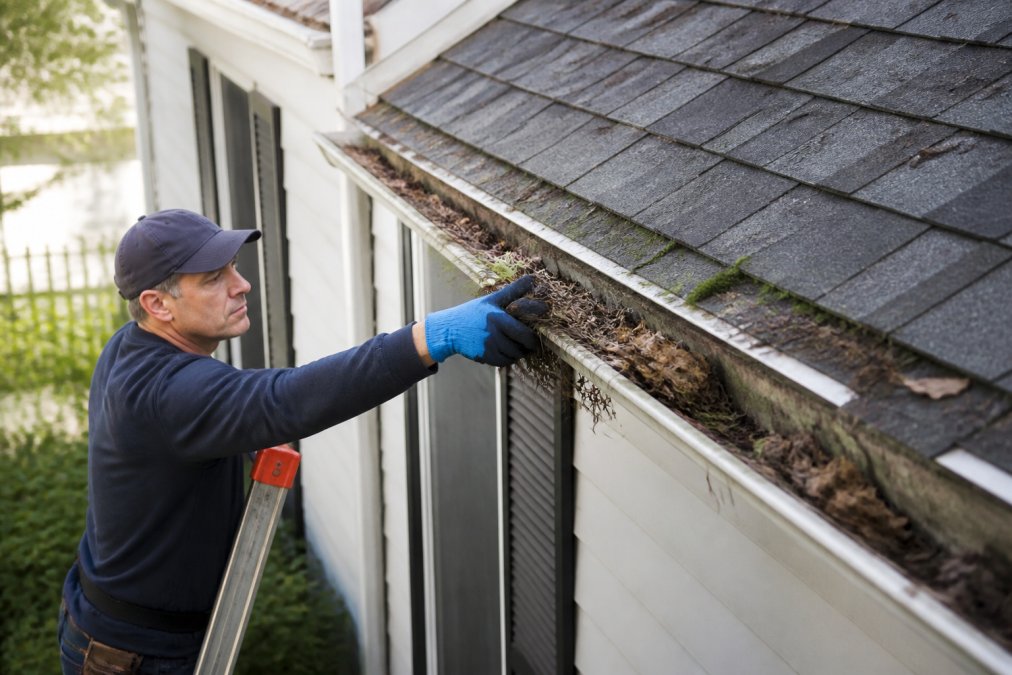
Gutters clogged with leaves, debris, and sediment can’t drain water. Water backs up, overflows, and runs down the exterior wall directly toward the foundation. Clean gutters regularly, at least twice yearly, more often if you have trees nearby. Inspect gutters for rust, holes, or separation from the fascia. Sagging gutters indicate failing fasteners or excessive debris.
Downspout extensions are critical. A downspout discharging at ground level sends water directly toward the foundation. Extend downspouts at least 4-6 feet away from the foundation, ideally into a storm drain or dry well. In areas with clay soil, water sitting near the foundation saturates the soil and increases hydrostatic pressure against basement walls.
Exterior Grading, Caulking, and Moisture Barriers
Exterior grading, the slope of the ground around your home, determines where water flows. If the ground slopes toward your foundation, water accumulates in the soil and increases hydrostatic pressure. Proper grading slopes away from the house at a rate of at least 1 inch per foot for the first 6-10 feet. Inspect the ground around your home for low spots where water collects after rain. Adjusting grading involves adding soil and compacting it to create the proper slope.
Caulking around windows, doors, and where utilities enter the home prevents water from penetrating the exterior wall. Old caulk becomes brittle and fails. Inspect all caulked joints annually and re-caulk with high-quality exterior caulk rated for your climate.
Vapor barriers in crawl spaces prevent moisture from the soil from entering the home. Many older homes lack crawl space vapor barriers entirely. Installing a 6-mil polyethylene sheet over the soil reduces moisture accumulation significantly. Landscaping affects water management more than most homeowners realize. Move plants and mulch away from the foundation, as they hold moisture against the wall. Soil berms or raised planting beds should be at least 6-12 inches away from the house.
Smart Home Leak Detection Technology
Modern leak detection technology offers homeowners in older homes continuous monitoring that catches problems early. Smart water sensors detect moisture before visible damage occurs and send alerts to your phone when they sense water.
Smart water shut-off valves integrate with leak detection systems. When a sensor detects a leak, the valve automatically shuts off the main water supply, preventing a burst pipe from flooding your home. Water main monitors attach to your main water line and track flow patterns, detecting slow leaks that might otherwise go unnoticed for months. Humidity sensors in basements and crawl spaces track moisture levels continuously, indicating water intrusion or poor ventilation. Many systems integrate with smart home platforms, giving you accessible data from anywhere.
Homeowners Insurance Water Damage Coverage
Understanding your homeowners insurance water damage coverage is essential for older homes. Most standard policies exclude water damage from foundation seepage, groundwater intrusion, or water backup from sewers, as gradual water damage is considered a maintenance issue, not a sudden, accidental loss.
However, certain types of water damage are covered. Sudden pipe bursts, water heater failures, and roof leaks caused by storms typically fall under standard coverage. The distinction often comes down to cause: damage from a sudden event is usually covered; damage from gradual deterioration is usually excluded.
Some insurers offer water backup coverage as an optional endorsement, protecting against water entering through drains, sewers, or sump pump failures. Flood insurance is separate from homeowners insurance and is provided through the National Flood Insurance Program. Review your policy annually, especially after making improvements to your home’s water management systems.
Getting Professional Help for Water Damage Prevention in Liberty Twp
While homeowners can handle routine maintenance like gutter cleaning and caulking, foundation waterproofing, roof repair, and plumbing system evaluation require professional expertise. Specialists understand the specific challenges of older homes and what interventions actually work.
DGK Home Solutions serves the Liberty Twp area and surrounding communities with roofing, siding, and gutter services that address water damage prevention directly. With over 20 years of experience working on older homes, the team understands how these properties age and what interventions work. They provide honest assessments of what needs immediate attention and what can wait, helping homeowners prioritize investments. A free assessment eliminates guesswork and identifies issues homeowners miss.
Preventing water damage in older homes demands consistent attention, but the effort is worthwhile. Water damage repairs cost thousands; prevention costs far less. Start with the basics: clean gutters, extend downspouts, inspect foundations and roofs regularly, and address small problems before they become large ones. For work beyond DIY capability, roof repairs, foundation waterproofing, or professional plumbing inspection, DGK Home Solutions offers expert service throughout the Liberty Twp and Greater Cincinnati region. Get a free quote on your home’s water damage prevention needs and let experienced professionals evaluate your property’s specific vulnerabilities. Your older home has survived decades. With the right maintenance strategy, it’ll survive many more.
Frequently Asked Questions
What are the most common signs of water damage in an older house?
Common signs include discolored walls or ceilings, musty odors, peeling paint, warped wood, visible mold or mildew growth, and soft spots in flooring. In basements, look for efflorescence (white mineral deposits), rust stains on pipes, and pooling water. Older homes with deteriorated foundation cracks or compromised roof flashing are especially prone to water intrusion. Early detection prevents costly structural damage and mold growth.
How often should I inspect my plumbing in an older home?
Inspect your plumbing annually, ideally in spring before heavy rain season. Older homes with galvanized steel or cast iron pipes are at higher risk for corrosion and leaks. Check for signs of pipe corrosion, slow drains, discolored water, and moisture under sinks. If your home is over 50 years old, consider a professional plumbing inspection every 2-3 years to catch water damage risks before they cause structural issues.
Does homeowners insurance cover water leaks in older homes?
Coverage depends on the cause. Sudden, accidental leaks from burst pipes or storm damage are typically covered under homeowners insurance water damage coverage. However, gradual leaks from aging pipes, foundation cracks, or poor maintenance are usually excluded. Older homes with a history of water damage may face higher premiums or coverage limitations. Review your policy and contact your insurer about coverage specifics and any requirements for preventative maintenance to maintain eligibility.
What's the best way to improve basement drainage in older homes?
Install or upgrade your exterior drainage system by ensuring proper grading slopes away from the foundation, extending downspouts at least 4-6 feet away, and installing weeping tiles if hydrostatic pressure is an issue. Interior solutions include sump pump installation and vapor barriers. For older homes with crawl spaces, improve ventilation and install a dehumidifier to control humidity levels. Professional assessment is recommended to determine whether your home needs exterior waterproofing, interior sealants, or both.
This article was written using GrandRanker