Table of Contents
- What Constitutes a Roof Leak
- Common Causes of Roof Leaks
- What Homeowners Insurance Typically Covers for Roof Leaks
- What Is Not Covered by Homeowners Insurance
- How to Document Roof Damage for an Insurance Claim
- Understanding the Homeowners Insurance Claim Process in Ohio
- Roof Leak Repair Cost and Next Steps in Liberty Township
- Preventing Future Roof Leaks
- Frequently Asked Questions
Last Updated: September 28, 2026
What Constitutes a Roof Leak
A roof leak occurs when water penetrates your roof’s structure and enters your home. This can happen through damaged shingles, compromised flashing, deteriorated sealant, or gaps in the roofing material. The water typically travels downward through layers of the roof deck, insulation, and drywall before you notice signs like water stains on ceilings, damp spots on walls, or visible mold growth.
Understanding what qualifies as a roof leak matters when filing an insurance claim. Not all water intrusion is the same. A leak caused by a sudden storm event differs significantly from one resulting from gradual wear and tear over years. Insurance companies distinguish between these scenarios, and that distinction directly affects whether your claim gets approved.
The most common signs of a roof leak include discolored ceiling patches, water dripping during or after rain, musty odors in attics, and visible damage to interior walls or insulation. Some homeowners discover leaks only after significant water damage has already occurred in attics or crawl spaces. Early detection prevents costly secondary damage to framing, electrical systems, and personal property inside your home.
Common Causes of Roof Leaks
Roof leaks develop from multiple sources. Wind damage that lifts or tears shingles is one of the most frequent culprits, especially in areas prone to severe weather. Heavy rain can exploit even small gaps in roofing material, while ice dams in colder climates force water backward under shingles where it seeps into the structure below.
Flashing failures represent another major cause. Flashing is the metal material installed where your roof meets walls, chimneys, vents, and other penetrations. When flashing becomes corroded, improperly sealed, or damaged, water flows directly into the gaps beneath it. This is particularly common around chimneys and where roof planes intersect.
Age and deterioration account for many leaks as well. Asphalt shingles typically last 15 to 20 years before becoming brittle and prone to cracking. Once shingles reach the end of their lifespan, they no longer shed water effectively. Gutters that are clogged, improperly installed, or damaged can also cause water to back up under eaves and eventually leak into your home.
Poor ventilation in attics creates conditions where moisture accumulates and weakens roofing materials from underneath. Inadequate attic airflow allows condensation to form, which degrades the roof deck and accelerates shingle deterioration. This is a gradual process that often goes unnoticed until significant damage has occurred.
What Homeowners Insurance Typically Covers for Roof Leaks
Whether does homeowners insurance cover roof leaks depends heavily on the cause. If a covered peril, such as a sudden storm, hail, wind, or falling tree, causes the leak, your policy typically covers the damage. This is the key distinction: insurance protects against sudden, unexpected events, not gradual deterioration.
A roof leak from a tree branch that falls during a windstorm would likely be covered. Water damage from the resulting leak to your ceiling, walls, and belongings inside would also be included. However, the coverage applies to the damage caused by the covered event, not necessarily a full roof replacement unless that replacement is necessary to repair the damage.
Most standard homeowners policies include coverage for water damage caused by covered perils (Which disasters are covered by homeowners insurance?). This means if a hail storm damages your roof and causes it to leak, your insurance should cover the cost to repair the leak and restore the damaged interior spaces. The claim process typically involves documenting the damage, obtaining repair estimates, and working with your insurance adjuster.
DGK Home Solutions helps homeowners navigate this process. With over 20 years of experience, our team can assess the damage, document it thoroughly for your claim, and work directly with your insurance company to ensure you receive the coverage you’re entitled to. Clear communication throughout the process removes the stress of dealing with adjusters and repair estimates.
What Is Not Covered by Homeowners Insurance
Roof leaks caused by lack of maintenance are not covered. If your roof has aged beyond its useful life and begins leaking simply because the shingles have deteriorated, your insurance company will deny the claim. This falls under the category of “wear and tear,” which is explicitly excluded from coverage.
Poor ventilation, inadequate drainage, or failure to maintain gutters and downspouts also results in claim denials. If water enters your home because you neglected routine maintenance, the insurance company will argue that the damage was preventable through proper upkeep. Documenting regular maintenance and repairs helps protect yourself, but even then, gradual leaks from aging materials are typically not covered.
Pre-existing damage is another exclusion. If your roof already had a leak before a storm event occurred, your insurer may deny coverage for that specific area, arguing the damage predates the covered peril. This is why having your roof inspected regularly and documenting its condition is important.
Leaks caused by improper installation or faulty workmanship are also excluded. If a contractor installed your roof incorrectly and it later leaks, your homeowners insurance won’t cover it, that’s a matter between you and the contractor. This underscores the importance of hiring experienced, reputable roofing professionals who stand behind their work with warranties.
Cosmetic damage without functional impact typically isn’t covered either. A small stain on your ceiling from a minor leak might not qualify for a full claim if the structural integrity of your home isn’t compromised. However, if that stain indicates active water intrusion, you should document it and report it to your insurer.
How to Document Roof Damage for an Insurance Claim
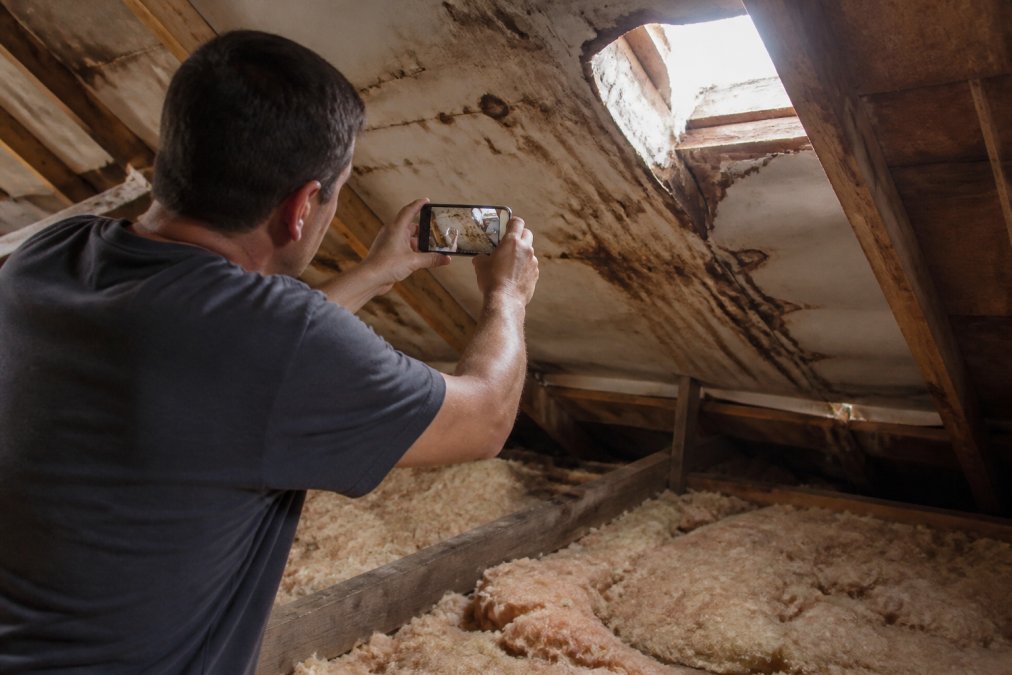
Proper documentation is essential for a successful insurance claim. Start by taking photographs and videos of all visible damage, both exterior and interior. Photograph the damaged roof area from multiple angles, including close-ups of torn shingles, missing flashing, or obvious holes. Inside your home, document water stains, discolored drywall, damaged insulation, and any personal property affected by water.
Write down the date you discovered the damage and when the weather event that caused it occurred. If you witnessed the event, a storm, falling tree, or other incident, note the time and severity. This timeline helps establish that the damage is recent and caused by a covered peril rather than gradual deterioration.
Obtain written repair estimates from qualified contractors. These estimates should itemize the work needed, materials required, and labor costs. Having multiple estimates strengthens your claim and provides the insurance company with clear guidance on repair scope and cost. When requesting estimates, ask contractors to reference the specific damage they’re addressing.
Preserve all evidence of the damage until your insurance adjuster has inspected it. Don’t begin repairs immediately, as the adjuster needs to see the damage in its original condition. If repairs are necessary to prevent further damage, such as tarping a large hole in the roof, document that temporary work with photos and receipts.
Keep detailed records of all communications with your insurance company. Save emails, note the dates and times of phone calls, and document the names of adjusters or representatives you speak with. This creates a paper trail that protects you if disputes arise about what was discussed or promised.
Understanding the Homeowners Insurance Claim Process in Ohio
The claim process in Ohio begins the moment you contact your insurance company. Report the damage as soon as you discover it, as most policies require prompt notification. Your insurer will assign an adjuster who will schedule a time to inspect the damage at your property.
During the adjuster’s inspection, they’ll examine both the exterior damage and interior water intrusion. Be present during this inspection and point out all areas affected by the leak. If you’ve already obtained repair estimates, provide copies to the adjuster. The adjuster will take their own photos and measurements to document the damage.
After the inspection, the adjuster prepares a report recommending whether the claim should be approved and what amount should be paid. This determination depends on whether the damage was caused by a covered peril and whether it falls within your policy limits and deductible. Your insurer will then send you a settlement offer outlining the approved amount.
If you disagree with the settlement, you have options.
Roof Leak Repair Cost and Next Steps in Liberty Township
The cost to repair a roof leak varies widely depending on the damage extent and your home’s roofing system. A simple repair, such as replacing damaged flashing or patching a small hole, might cost several hundred dollars. More extensive damage requiring significant shingle replacement or structural repairs could run into thousands.
Preventing Future Roof Leaks
Regular roof inspections are your first line of defense. Have your roof professionally inspected at least annually, and always after severe weather events. An inspector can identify potential problems, loose shingles, deteriorating flashing, clogged gutters, before they develop into leaks. Catching issues early prevents water damage and extends your roof’s lifespan.
Frequently Asked Questions
Does homeowners insurance cover roof leaks caused by age?
Most homeowners insurance policies do not cover roof leaks resulting from normal wear and tear or aging materials. Insurance typically covers sudden, accidental damage like storm damage or falling tree branches. If your roof has reached the end of its expected lifespan, your insurer may deny the claim. Review your policy details and contact your insurance agent to understand your specific coverage limits.
What should I do immediately after discovering a roof leak in my home?
First, document the damage with photos and videos from multiple angles. Stop the water damage by placing buckets under leaks and moving valuables away from affected areas. Contact your insurance company promptly to report the claim. Take temporary steps to prevent further damage, such as tarping the area if safe to do so. Then contact a qualified roofing contractor to assess the damage and provide repair estimates for your insurance claim.
How do I know if my roof leak is covered by my policy?
Review your homeowners insurance policy documents, particularly the coverage section and exclusions. Most policies cover sudden, accidental damage like storm damage but exclude damage from lack of maintenance, age, or gradual wear. Call your insurance agent with details about how the leak occurred. They can confirm whether your specific situation qualifies for coverage under your policy’s terms.
What types of roof damage are typically covered by insurance?
Insurance typically covers roof damage from sudden events such as severe storms, hail, high winds, fallen trees, and fire. Coverage usually applies to the cost of repairs needed to restore your roof to its pre-damage condition. However, coverage limits and deductibles vary by policy. Damage from poor maintenance, gradual deterioration, or lack of repairs is generally not covered. Always verify your specific coverage with your insurance provider.