Table of Contents
- Why Homeowners Choose Alternatives to Asphalt Shingles
- Standing Seam Metal Roofing
- Metal Roofing vs Asphalt Shingles Cost and Performance
- Cedar Shake and Metal Shingles
- Clay Tile Roofing
- Lifespan of Residential Roofing Materials Compared
- Best Roofing Materials for Ohio Climate Conditions
- Choosing the Right Alternative for Your Home
- Frequently Asked Questions
Last Updated: September 29, 2026
Why Homeowners Choose Alternatives to Asphalt Shingles
Asphalt shingles have dominated residential roofing for decades, but they’re far from the only option. Homeowners in Liberty Twp and across Ohio are increasingly exploring alternatives to asphalt shingles because they want durability, aesthetics, or energy efficiency that traditional shingles simply can’t deliver.
The shift makes sense. Standard asphalt shingles typically last 15-20 years before needing replacement. That means a homeowner might reroof three times over a 50-year span. Alternatives to asphalt shingles often last twice as long or more, which changes the long-term economics of a roof investment.
At DGK Home Solutions, we help homeowners weigh their roofing options. The best choice depends on your budget, your home’s architecture, and what matters most to you, whether that’s longevity, appearance, or weather resistance. Some materials shine in Ohio’s climate; others are better suited to different regions.
This guide covers the main alternatives to asphalt shingles available to residential homeowners, what each costs to install, how long they last, and which ones perform best in local weather conditions.
Standing Seam Metal Roofing
Standing seam metal roofing features vertical metal panels with concealed fasteners that run from the roof’s peak to its eaves. The fasteners stay hidden, which prevents water leaks at those vulnerable connection points, a common failure mode with other roofing types.
Metal panels shed snow and ice effectively, which matters in Ohio winters. The smooth surface prevents snow accumulation that can lead to ice dams and water backup into the home. The panels also reflect solar heat, reducing cooling costs in summer months.
A common mistake is assuming metal roofing is loud during rain. Modern standing seam systems include insulation and underlayment that dampens sound significantly. The noise concern is largely outdated.
Lifespan is exceptional. Standing seam metal typically lasts 50 years or more with minimal maintenance. The concealed fastener design means no exposed screws to corrode or back out over time. Many homeowners never reroof a standing seam system, it outlasts the house.
Standing seam metal roofing is best for homeowners who plan to stay in their home long-term and want to avoid reroofing costs. The durability justifies the higher upfront investment.
Metal Roofing vs Asphalt Shingles Cost and Performance
The comparison between metal roofing and asphalt shingles reveals why many homeowners make the switch despite higher initial costs.
Performance differences are stark. Metal roofing resists wind, hail, and fire far better than asphalt. Asphalt shingles can blow off in high winds or crack under hail impact. Metal panels remain intact through severe weather. Fire resistance also favors metal, it won’t burn, while asphalt shingles are combustible.
Maintenance requirements differ significantly. Asphalt shingles need periodic inspections, moss removal in damp climates, and gutter cleaning. Metal roofing requires almost no maintenance beyond occasional inspection. No algae growth, no granule shedding, no seasonal upkeep.
Energy efficiency is another advantage. Metal reflects sunlight; asphalt absorbs it. In Ohio’s warm months, a metal roof can reduce cooling costs noticeably. The difference compounds over decades.
The trade-off is upfront cost. Alternatives to asphalt shingles like standing seam metal cost more to install than standard shingles. However, when you factor in the longer lifespan and reduced maintenance, the cost per year of service often comes out lower.
Choosing based on installation cost alone misses the full picture. A cheaper roof that needs replacement in 15 years is more expensive over time than a higher-priced roof lasting 50 years.
Cedar Shake and Metal Shingles
Cedar shake roofing offers a natural, rustic appearance that asphalt can’t match. The wood grain and irregular texture give homes character and curb appeal. Cedar is fully biodegradable and comes from a renewable resource, appealing to environmentally conscious homeowners.
The durability of cedar shake varies. A well-installed cedar roof can last 40-50 years in the right climate. However, cedar requires more maintenance than alternatives to asphalt shingles. It needs periodic treatment to resist rot and insect damage, especially in Ohio’s humid climate. Moss and algae growth is common and requires cleaning.
Metal shingles bridge the gap between metal roofing and traditional aesthetics. They’re manufactured to mimic the look of cedar shake, slate, or clay tile while delivering the durability of metal. The interlocking design provides excellent wind resistance. They’re lightweight compared to real stone or clay, which matters for older homes with limited structural capacity.
Metal shingles are fire-resistant and require minimal maintenance. They won’t rot, don’t attract insects, and won’t need the seasonal care that cedar demands. For homeowners wanting the appearance of cedar without the upkeep, metal shingles are a practical middle ground.
| Material | Appearance | Maintenance | Durability | Best For |
|---|---|---|---|---|
| Cedar Shake | Rustic, natural | High | 40-50 years | Historic homes, aesthetic priority |
| Metal Shingles | Traditional look | Low | 40-50 years | Durability + appearance balance |
| Asphalt Shingles | Standard, plain | Moderate | 15-20 years | Budget-conscious buyers |
Clay Tile Roofing
Clay tile roofing represents the premium end of the alternatives to asphalt shingles spectrum. Tiles are kiln-fired clay, producing a material that’s nearly indestructible. They resist rot, insect damage, and weathering in ways that wood and asphalt simply cannot match.
The lifespan is extraordinary. A clay tile roof often lasts 50-100 years or longer. Many clay tile roofs installed in the early 1900s are still performing. This longevity is unmatched by any other residential roofing material.
Clay tile also provides exceptional fire resistance. The material won’t burn and won’t spread flames. For homeowners in areas prone to wildfires or concerned about fire safety, clay tile offers peace of mind.
The major drawback is weight. Clay tiles are heavy, much heavier than asphalt or metal. Installing clay tile requires structural reinforcement in most homes. The added support structure increases installation costs significantly. Older homes with existing roof framing often cannot support clay tile without costly structural upgrades.
Clay tile works best in warm, dry climates. In Ohio’s freeze-thaw cycles, water trapped under tiles can expand and crack them over time. This limits clay tile’s suitability for northern climates, though it’s not impossible, proper installation with good drainage is essential.
Clay tile is the longest-lasting roofing material available, but the weight and regional climate limitations make it unsuitable for most Ohio homes.
Lifespan of Residential Roofing Materials Compared
Comparing lifespan reveals why homeowners invest in alternatives to asphalt shingles despite higher costs.
Asphalt shingles last 15-20 years on average. In Ohio’s weather extremes, hot summers and freeze-thaw winters, the lifespan often falls toward the shorter end. UV exposure degrades the asphalt binder, and temperature swings crack the shingles.
Metal roofing lasts 40-60 years. Some standing seam systems are warranted for 50 years. Proper installation and minimal maintenance can extend this further. Many metal roofs installed 30+ years ago are still performing perfectly.
Cedar shake lasts 40-50 years with proper maintenance. Without regular treatment, the lifespan drops to 20-30 years. Ohio’s humidity accelerates wood decay, so cedar in this region requires more care than in drier climates.
Metal shingles last 40-50 years. They match the longevity of cedar without the maintenance burden. The interlocking design and metal construction resist the weather stresses that degrade other materials.
Clay tile lasts 50-100 years or more. It’s the only residential roofing material that routinely outlasts a century. The trade-off is structural requirements and regional suitability.
Over a 50-year period, choosing a material that lasts 50 years means one installation. Choosing asphalt means three replacements. The cumulative cost of labor, materials, and disruption to your home makes the long-term economics favor durability.
Best Roofing Materials for Ohio Climate Conditions
Ohio’s climate presents specific challenges for roofing. Winters bring freeze-thaw cycles that stress materials. Summer heat and humidity accelerate decay. Spring storms deliver hail and high winds. The best roofing materials for Ohio handle these stresses without degradation.
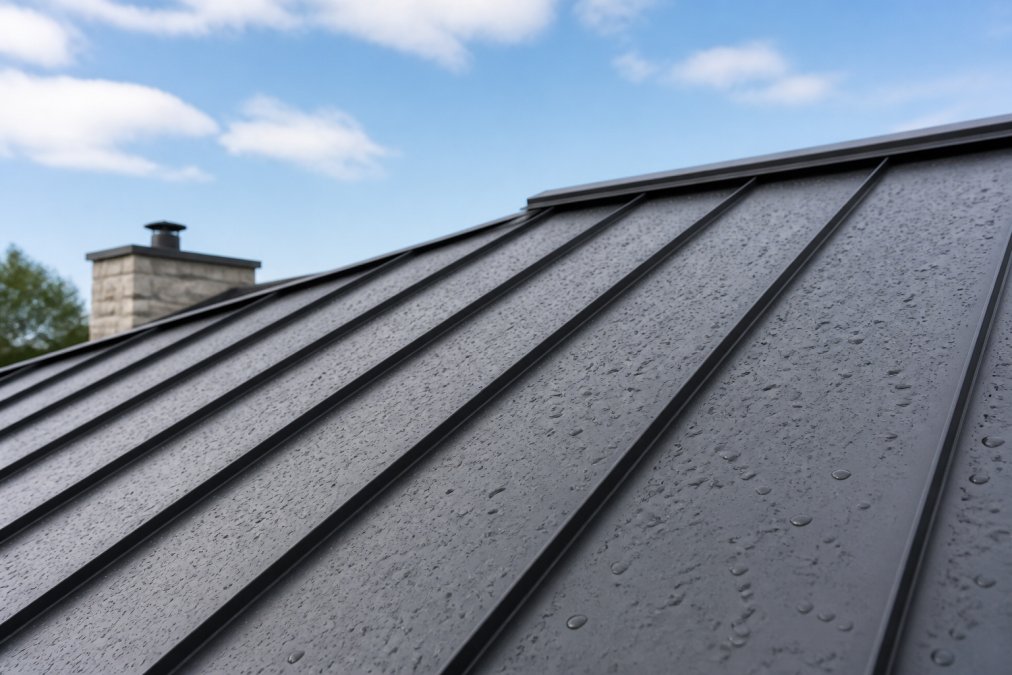
Standing seam metal roofing is the top choice for Ohio homes. The smooth surface sheds ice and snow, preventing ice dam formation. Metal won’t crack in freeze-thaw cycles because it expands and contracts uniformly. The material resists the humidity that accelerates wood decay. For Liberty Twp homeowners, metal roofing delivers reliable performance through every season.
Metal shingles are an excellent alternative if you prefer a traditional appearance. They provide the same climate resilience as standing seam with aesthetic flexibility.
Standing seam metal roofing is best for Ohio homeowners who want maximum durability and minimal maintenance. It handles freeze-thaw cycles, hail, and humidity without degradation.
Choosing the Right Alternative for Your Home
Selecting the right alternative to asphalt shingles requires weighing several factors specific to your situation.
Frequently Asked Questions
What is the most durable alternative to asphalt shingles?
Standing seam metal roofing and clay tile are the most durable alternatives to asphalt shingles. Standing seam metal roofs typically last 50+ years with minimal maintenance, while clay tiles can exceed 50 years of service life. Both are significantly more durable than standard asphalt shingles, which typically last 15-25 years. The choice depends on your budget and structural capacity, as clay tile requires more structural support due to its weight.
How much more expensive is metal roofing vs asphalt shingles cost?
Metal roofing often has a higher upfront cost than asphalt shingles. However, the longer lifespan and minimal maintenance requirements can justify the initial investment over the life of your roof. Standing seam metal systems offer durability, while metal shingles that mimic traditional appearances provide aesthetic flexibility. Contact DGK Home Solutions for a detailed quote based on your specific project.
Which roofing material works best in Ohio’s climate?
Standing seam metal roofing and metal shingles perform exceptionally well in Ohio’s climate due to their superior ice and snow shedding capabilities, wind resistance, and durability through seasonal temperature swings. Cedar shake shingles require more maintenance in Ohio’s humid conditions but offer natural insulation. Clay tile is less practical for Ohio due to its weight and structural demands, though it excels in temperature regulation. DGK Home Solutions recommends metal options for Ohio homes seeking long-term durability and weather protection.
Do alternative roofing materials increase home value?
Yes, high-quality alternatives like standing seam metal roofing and cedar shakes can increase home value and curb appeal. Metal roofs appeal to buyers seeking durability and energy efficiency, while cedar shakes attract those valuing natural aesthetics. The return on investment depends on your local market and how long you plan to stay in the home. For homes being prepared for sale, consulting with DGK Home Solutions ensures your roofing choice aligns with buyer expectations and neighborhood standards.