Last Updated: October 23, 2026
Quick Summary
Professional roof inspections are thorough examinations by certified inspectors that identify damage, wear, and potential problems before they become costly repairs, often making the difference between a $500 repair and a $15,000 replacement. Early detection catches issues like leaks, loose shingles, and flashing deterioration while they’re still manageable, and creates documented evidence for insurance claims.
- Most homeowners should have professional roof inspections every two years or immediately after severe weather events
- Inspectors check shingles, flashing, gutters, attic ventilation, and signs of water damage on both exterior and interior
- Professional inspection reports with photos strengthen insurance claims and help prevent adjusters from denying legitimate damage claims
- Roofs over 15 years old should be inspected annually rather than every two years
- Post-storm inspections document damage for insurance purposes before repairs begin
Table of Contents
- Why Professional Roof Inspections Matter for Your Home
- Early Detection of Damage and Leaks
- What Does a Roof Inspection Include
- How Often to Inspect a Roof
- Roof Inspection After a Storm
- Creating Your Roof Inspection Checklist
- Insurance Claims and Documentation
- Conclusion
- Frequently Asked Questions
Why Professional Roof Inspections Matter for Your Home
A professional roof inspection is a thorough examination of your roof’s condition, performed by a certified inspector who identifies damage, wear, and potential problems before they become costly repairs. At DGK Home Solutions, we’ve spent over 20 years helping homeowners in the Greater Cincinnati area and beyond understand why this simple step protects one of their largest investments.
Your roof is your home’s first line of defense against weather, pests, and structural damage. Yet most homeowners ignore it until something goes visibly wrong. By then, the damage has often spread to the interior, requiring far more extensive repairs than early detection would have needed.
The real value of benefits of professional roof inspections for homeowners isn’t just peace of mind. It’s the difference between a $500 repair and a $15,000 replacement. It’s the difference between filing an insurance claim successfully and being denied because the damage wasn’t documented. It’s knowing your family is safe under a roof you can trust.
Early Detection of Damage and Leaks
Catching roof problems early saves money and prevents secondary damage to your home’s interior. Small leaks become large ones. Loose shingles become missing sections. Flashing deteriorates silently until water finds its way inside.
A professional inspector identifies these issues when they’re still manageable. Learn about the most common causes of roof leaks and how to spot them early. They spot cracked or curled shingles, compromised flashing around chimneys and vents, deteriorating sealant, and early signs of algae or moss growth. They check for inadequate ventilation that can trap moisture and cause premature aging of roofing materials.
Common mistakes homeowners make include waiting until they see water stains on ceilings or attic damage before calling for help. By that point, the problem has been active for weeks or months. Wood rot may have already started. Mold may be growing inside your walls.
What most guides miss is that professional roof inspections catch problems your insurance company will later ask about. If you file a claim for storm damage and the adjuster discovers pre-existing damage you didn’t know about, it can complicate your claim. A professional inspection creates a documented baseline of your roof’s condition, protecting you during the claims process.
National Association of Home Inspectors standards for roof evaluation recommend professional inspections at least every two years, or immediately after severe weather.
What Does a Roof Inspection Include
Professional roof inspections evaluate multiple systems and components to give you a complete picture of your roof’s health. Understanding what inspectors check helps you know what to expect and why the process matters.
A thorough inspection covers roof structure and framing, shingles or other roofing materials, flashing around chimneys and vents, gutters and downspouts, attic ventilation and moisture levels, and signs of leaks or water damage inside the home. Inspectors also assess the roof’s overall slope and drainage, looking for areas where water might pool.
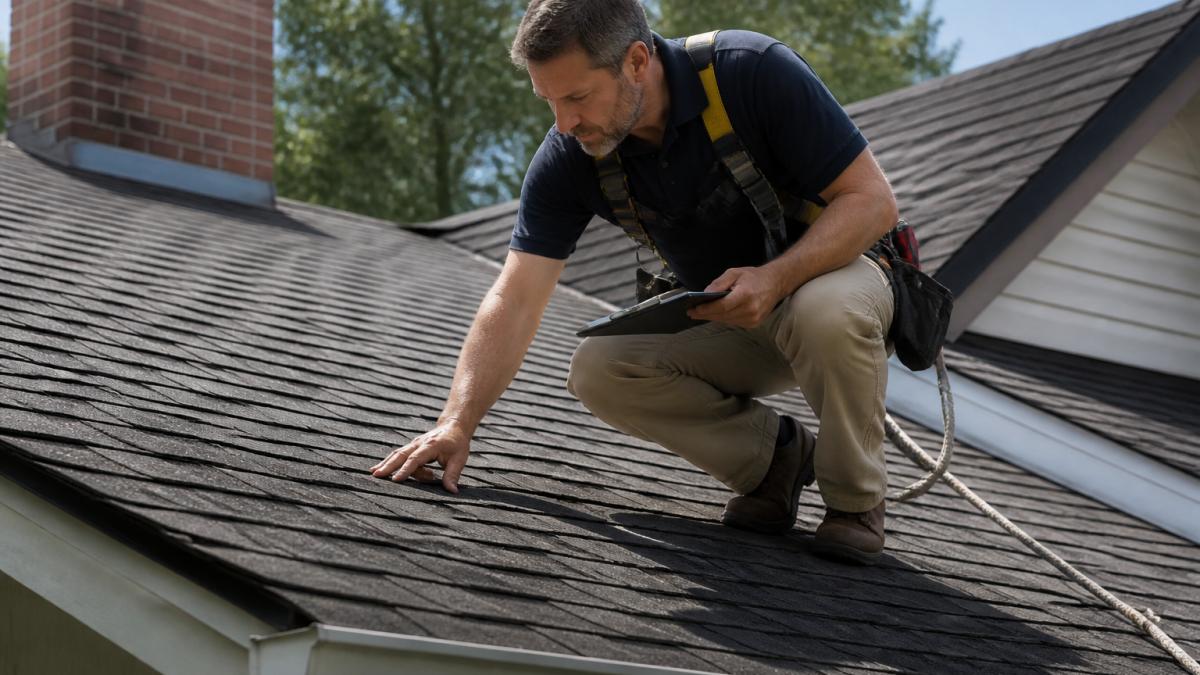
The inspection process typically includes both exterior and interior examination. On the roof itself, inspectors walk the surface (when safe to do so), photograph problem areas, and test the integrity of materials. Inside the attic, they check for proper ventilation, moisture, mold, pest damage, and any signs that water has penetrated the roof deck.
DGK Home Solutions provides detailed inspection reports that document findings with photos and recommendations. This documentation becomes especially valuable if you need to file an insurance claim or plan repairs. You can book a residential roof inspection today to understand your roof’s exact condition and get a clear picture of any needed repairs.
The inspection also identifies whether your roof is nearing the end of its useful life or has years of service remaining. This helps you plan repairs versus replacement and budget accordingly.
How Often to Inspect a Roof
Most homeowners should have their roof professionally inspected every two years, or immediately after storms, severe weather events, or if they notice any visible signs of damage. This schedule ensures problems are caught before they escalate.
However, the right inspection frequency depends on several factors:
- Age of roof: Roofs over 15 years old should be inspected annually
- Local climate: Areas with heavy storms, snow, or extreme temperature swings benefit from more frequent inspections
- Roof type: Different materials age at different rates
- Visible damage: Any signs of damage warrant an immediate inspection
- Recent weather events: High winds, hail, or heavy rain should trigger an inspection
The Greater Cincinnati area and beyond experiences seasonal weather that can stress roofing systems. Spring and fall are ideal times for inspections, as they allow you to address any winter or summer damage before the next harsh season arrives.
A common mistake is assuming your roof looks fine from the ground. Many problems, loose shingles, compromised flashing, deteriorating sealant, aren’t visible without getting on the roof or into the attic. You can learn about roof inspection costs and scheduling to understand what regular maintenance looks like.
Schedule inspections before major storms hit. Waiting until after a storm means every contractor in the region is booked, and you’ll face longer wait times for repairs. Preventive inspections let you address issues on your timeline, not emergency timelines.
Inspection frequency depends on your roof’s age, local climate, and condition.
| Factor | Recommendation | Details |
|---|---|---|
| Standard schedule | Every two years | Or immediately after storms |
| Roof age 15+ years | Annually | Older roofs need more frequent checks |
| Heavy storm areas | More frequent | Spring and fall are ideal times |
| After severe weather | Immediate inspection | Wind, hail, or heavy rain damage |
| Visible damage signs | Immediate inspection | Do not wait for scheduled inspection |
Roof Inspection After a Storm
Severe weather can damage roofs in ways that aren’t immediately obvious. Wind can lift shingles or dislodge flashing. Hail can create small cracks that expand over time. Falling branches can puncture the roof surface. Heavy rain can expose weak spots in flashing or seams.
After any significant storm, a professional inspection documents damage for insurance purposes. Adjusters often require this documentation before processing claims. An inspection report with photos and detailed findings strengthens your claim and helps ensure you’re compensated fairly for necessary repairs.
The inspection also identifies secondary damage that the storm may have caused. A branch that scraped shingles might have also damaged underlying roof deck. Wind that loosened flashing might have allowed water inside. These connected issues need to be documented together to paint a complete picture of storm damage.
Many homeowners delay post-storm inspections, assuming their roof survived if they don’t see obvious damage from the ground. This is risky. Damage that seems minor now can worsen during the next rain or wind event. Documentation also protects your home’s value if you’re planning to sell in the coming years, buyers and their inspectors will discover any undiscovered damage anyway.
Federal Emergency Management Agency guidance on post-disaster home inspection and recovery recommends documenting all damage with photos and professional assessment before beginning repairs.
Creating Your Roof Inspection Checklist
A roof inspection checklist helps you understand what professionals evaluate and what you should watch for between professional visits. While a professional inspection is essential, knowing the basics helps you spot potential problems early.
Key items on a comprehensive roof inspection checklist include:
- Shingles: Look for curling, cracking, missing pieces, or granule loss
- Flashing: Check around chimneys, vents, and where the roof meets walls for gaps or corrosion
- Gutters and downspouts: Ensure they’re clear, properly attached, and directing water away from the foundation
- Roof surface: Scan for sagging, uneven areas, or visible deterioration
- Attic: Check for leaks, moisture, mold, adequate ventilation, and pest damage
- Skylights or roof penetrations: Verify all seals are intact
- Roof age and material type: Document when the roof was installed and what materials are used
This checklist helps you communicate with inspectors about your specific concerns and gives you a framework for understanding their findings. DGK Home Solutions uses detailed checklists during every inspection to ensure nothing is missed.
The most valuable aspect of a roof inspection checklist is that it creates a documented baseline. Future inspections can reference this baseline to track changes and deterioration over time, helping you plan maintenance and repairs more effectively.
Insurance Claims and Documentation
Professional roof inspections create the documentation that insurance companies require when you file a claim. Without this documentation, adjusters may deny claims or underestimate damage, leaving you to cover repair costs out of pocket.
A professional inspection report includes photographs of damage, detailed descriptions of problem areas, measurements, and recommendations for repair or replacement. This level of detail is what insurance companies use to determine claim validity and payout amounts.
The inspection also establishes the roof’s condition before damage occurred. If a storm causes damage and your insurer questions whether the damage is pre-existing, an inspection report from before the storm proves otherwise. This protection is especially valuable if you’re dealing with an insurer known for denying claims.
When you’re ready to file a claim, learn how to file a roof insurance claim with step-by-step guidance to understand the process and what documentation you’ll need. Having a professional inspection report accelerates the claims process and strengthens your position.
Additionally, if you’re expecting an insurance adjuster to inspect your roof, prepare for the insurance adjuster’s inspection so you understand what they’ll evaluate and can point out any damage you’ve discovered.
Never file an insurance claim without professional documentation. Adjusters are trained to minimize payouts. A detailed inspection report with photos and expert assessment prevents them from underestimating damage or denying legitimate claims based on incomplete information.
Conclusion
Professional roof inspections are one of the most cost-effective investments homeowners can make. They catch problems early, protect your insurance claims, document your roof’s condition for future reference, and give you the information you need to plan repairs and maintenance.
DGK Home Solutions has helped homeowners and property owners across the Greater Cincinnati region protect their homes through thorough, professional roof inspections for over 20 years. Our team provides detailed inspection reports, honest assessments of your roof’s condition, and clear recommendations for next steps. Whether you need a routine inspection, post-storm damage assessment, or documentation for an insurance claim, we deliver the professional service and clear communication you deserve. Get a free quote today and take the first step toward protecting your home.
Frequently Asked Questions
What are the main benefits of a professional roof inspection?
Professional roof inspections catch damage before it becomes expensive. Inspectors identify leaks, deteriorating shingles, flashing issues, and structural problems that could lead to water damage, mold, and interior repairs costing thousands of dollars. A thorough inspection also documents your roof’s condition for insurance purposes and helps you plan maintenance or replacement before emergencies occur.
How often should homeowners have their roof inspected?
Most homeowners should have their roof professionally inspected every two years, or immediately after storms, severe weather events, or if they notice any visible signs of damage. After severe storms, hail, or high winds, an immediate inspection is critical to catch damage before it worsens. Regular inspections catch small problems early, preventing costly repairs later.
Should I get a roof inspection after a storm?
Yes. Storm damage may not be visible from the ground, but it can compromise your roof’s integrity. Wind can lift shingles, hail can create hidden cracks, and fallen branches can damage flashing. A professional inspector identifies this damage quickly, which is essential for filing insurance claims. Most insurance companies require documentation of storm damage within a specific timeframe.
Can a professional roof inspection help with my insurance claim?
Absolutely. Professional inspectors provide detailed reports with photos and documentation of damage, which insurance adjusters use to approve claims. This documentation protects you by creating an official record of your roof’s condition and any damage. Many homeowners find that professional inspection reports strengthen their claims and help ensure fair settlement amounts.
