Table of Contents
- Why Book a Residential Roof Inspection Today
- What to Expect During a Roof Inspection
- How Long Does a Roof Inspection Take
- Roof Inspection Checklist for Homeowners
- Third-Party vs. Contractor Inspections: Making the Right Choice
- Seasonal Timing: When to Book Your Roof Inspection
- Common Roofing Issues We Identify During Inspections
- How to Schedule Your Residential Roof Inspection
Book Residential Roof Inspection Today: Complete Guide
Last Updated: July 15, 2026
A certified residential roof inspection identifies problems before they become expensive repairs. Many homeowners wait until visible damage appears, leaks, missing shingles, or sagging, only to discover structural issues that could have been caught earlier. At DGK Home Solutions, we’ve helped hundreds of homeowners understand why proactive inspection matters. The difference between early detection and reactive repair often amounts to thousands of dollars and months of headaches.
This guide covers everything you need to know about scheduling a professional residential roof inspection, what happens during the assessment, and when your home needs one.
Why Book a Residential Roof Inspection Today
Your roof is your home’s first line of defense against weather, pests, and structural damage. A residential roof inspection identifies vulnerabilities before they escalate. Water intrusion can compromise structural integrity, void insurance coverage, and create conditions for mold growth.
Insurance companies increasingly require documented roof inspections before approving claims. If you file a claim without recent inspection documentation, insurers may deny coverage or reduce payouts, leaving you responsible for repair costs.
Schedule your residential roof inspection before storm season or before selling your home. Buyers request roof inspections routinely, and having a recent professional report gives you negotiating power and peace of mind.
Professional inspectors catch issues homeowners miss entirely. They access areas you can’t safely reach, use specialized tools to assess structural integrity, and understand how roofing systems interact with ventilation, gutters, and flashing. A thorough inspection typically costs $200-$500 but prevents repairs costing $2,000-$10,000 or more.
What to Expect During a Roof Inspection
A professional residential roof inspection follows a systematic process. The inspector examines both exterior and interior components, documents findings with photographs, and provides a detailed report outlining condition, repairs needed, and maintenance recommendations.
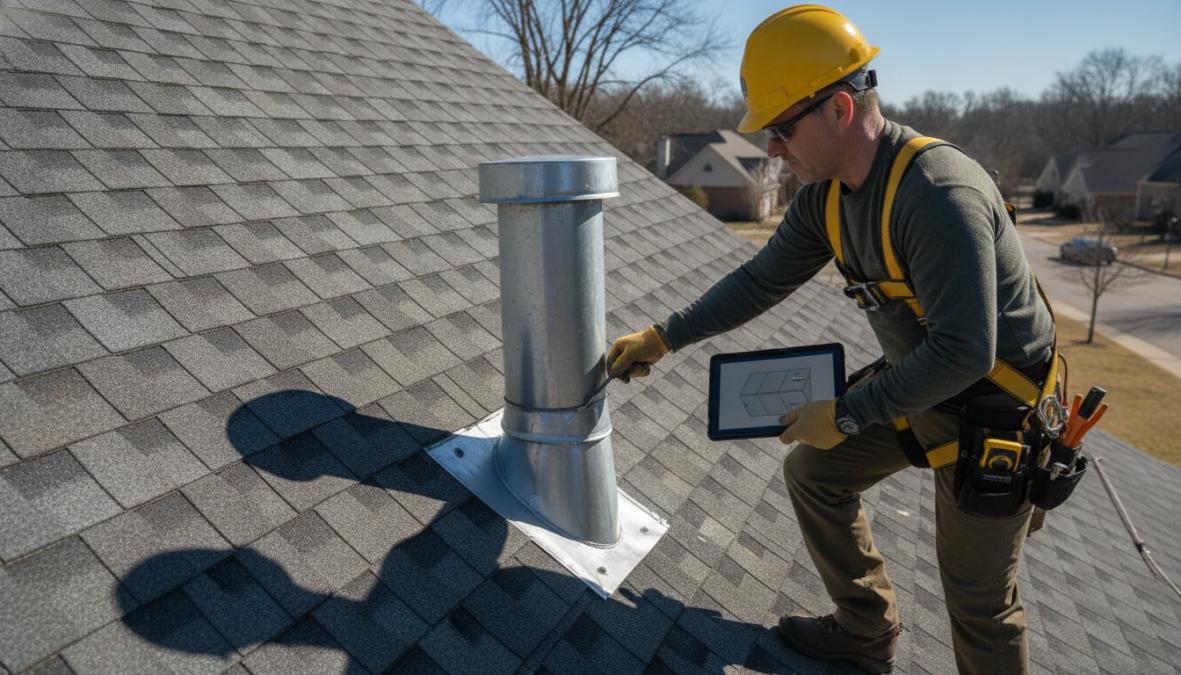
Exterior Assessment and Structural Integrity Check
The exterior evaluation assesses shingles, flashing, gutters, and overall structural condition. Your inspector walks the roof surface (using proper safety equipment) to identify missing or damaged shingles, gaps in flashing around chimneys and vents, rust spots, granule loss, and signs of previous repairs.
Structural integrity involves checking for sagging, soft spots, or areas where the roof deck feels spongy underfoot, indicating water damage or wood rot. The inspector also examines fascia, soffits, and gutters for debris, damage, or improper drainage. Gutters clogged with leaves prevent water from flowing away, causing it to pool and penetrate roofing materials.
Flashing inspection is critical. Flashing is metal trim installed where the roof meets walls, chimneys, vents, and skylights. Poor flashing is the most common cause of roof leaks. Your inspector checks for gaps, rust, separation, and deterioration.
Interior Attic Ventilation and Moisture Evaluation
The attic reveals the real story of roof performance. Your inspector accesses the attic (if safely accessible) to check for moisture, mold, proper ventilation, and evidence of leaks.
Proper attic ventilation is essential. Without adequate airflow, heat and moisture accumulate, shortening roof life and creating conditions for mold. Inspectors check that vents aren’t blocked by insulation and that soffit and ridge vents function properly. They look for dark stains on roof decking and framing, indicating past or ongoing water intrusion.
Moisture evaluation includes checking insulation condition and assessing whether the attic feels damp. Some inspectors use moisture meters to quantify water content in wood. They’ll also verify that attic access doors seal properly.
How Long Does a Roof Inspection Take
A typical residential roof inspection takes 45 minutes to two hours, depending on roof size, complexity, and accessibility.
| Roof Type | Typical Duration | Complexity |
|---|---|---|
| Single-story, simple roof | 45-60 minutes | Low |
| Two-story, standard design | 60-90 minutes | Medium |
| Multi-story or complex shape | 90-120 minutes | High |
| Steep pitch or limited access | 120+ minutes | High |
The inspector documents findings with photographs, notes, and measurements. They may use binoculars or drones to assess hard-to-reach areas safely. After the on-site visit, inspectors compile a detailed report including photographs, written descriptions, findings organized by priority, and roof life expectancy estimates. You’ll typically receive this report within 3-5 business days.
Budget 1.5-2 hours for the on-site inspection, plus 3-5 days for the detailed report. Thorough documentation protects your interests when filing insurance claims or negotiating repairs.
Roof Inspection Checklist for Homeowners
Understanding what a professional checks helps you recognize problems between inspections. Here’s what gets evaluated:
Exterior Elements:
- Shingle condition (missing, cracked, curled, bald spots)
- Flashing integrity (chimneys, vents, skylights, walls)
- Gutter and downspout function and cleanliness
- Fascia and soffit condition
- Roof penetrations (vents, pipes, antennas)
- Visible signs of previous repairs
- Algae, moss, or lichen growth
- Sagging or uneven roof surface
Interior Components:
- Attic ventilation adequacy
- Moisture stains on roof decking or framing
- Mold or mildew growth
- Insulation condition and coverage
- Water intrusion evidence
- Proper attic access and sealing
System Assessment:
- Roof age and estimated remaining life
- Structural integrity of roof deck
- Adequate slope for water drainage
Signs Your Roof Needs Professional Assessment
Water stains on interior ceilings or walls are the most obvious sign of problems. Even small stains suggest active or recent leaks. Water can travel along rafters before dripping, making the actual leak location hard to pinpoint without professional help.
Missing or damaged shingles visible from the ground indicate your roof is losing protective coverage. Even one missing shingle exposes the underlying roof deck to water intrusion. Curled, cracked, or bald shingles signal advanced age or weather damage.
Sagging roof lines suggest structural issues. The roof should appear straight and level. Visible dips indicate the roof deck is compromised, often from water damage. This requires immediate professional evaluation.
Granule loss in gutters means your shingles are deteriorating. If you notice piles of dark granules in gutters or downspouts, your roof is nearing end of life.
DIY vs. Professional Inspection: What You Should Know
A DIY inspection from the ground using binoculars catches obvious damage, missing shingles, visible debris, and sagging sections. You can safely assess gutters, downspouts, fascia, and your attic for water stains or moisture.
However, DIY inspections miss critical details. You can’t safely access steep roofs or high peaks. You can’t assess flashing integrity, shingle adhesion, or roof deck condition without walking the surface. You can’t use specialized tools like moisture meters or thermal imaging.
Most importantly, walking on a roof is dangerous. Falls are the leading cause of unintentional home injuries. Professional inspectors carry liability insurance and use proper safety equipment because the risk is real.
Attempting a DIY roof inspection on a steep, high, or slippery roof risks serious injury or death. Professional inspectors carry liability insurance and use fall protection because the risk is genuine.
A hybrid approach makes sense: conduct a safe ground-level assessment and attic check yourself, then hire a professional for detailed roof surface evaluation.
Third-Party vs. Contractor Inspections: Making the Right Choice
Third-party inspectors are independent professionals who evaluate roofs without a financial stake in repair decisions. They provide unbiased assessments and recommend repairs without pressure to sell services. This neutrality is valuable when you’re uncertain about recommendations or want a second opinion.
Third-party inspectors work well for routine maintenance, pre-purchase evaluations, and insurance documentation. They cost $200-$500 but provide objective analysis.
Roofing contractors like DGK Home Solutions offer inspections as part of their service process. These inspections are thorough and come with repair estimates and warranty details. Since we handle both inspections and repairs, you get continuity, the same team that identified problems executes the solution. With over 20 years of experience, our inspectors understand residential roofing systems comprehensively.
A reputable contractor inspection is honest about what needs repair versus what can wait. We won’t oversell unnecessary work but will clearly explain what protects your home’s structural integrity.
If you want a completely neutral assessment, hire a third-party inspector. If you’re ready to move forward with repairs and want the convenience of one team handling inspection and work, a contractor inspection makes sense. Either way, ensure the inspector is certified, carries liability insurance, and provides a detailed written report.
Seasonal Timing: When to Book Your Roof Inspection
Timing your inspection strategically helps you catch seasonal problems and schedule repairs during favorable weather.
Spring inspections (March-May) reveal winter damage from snow load, ice dams, and freeze-thaw cycles. Spring is ideal for identifying damage before summer storms arrive.
Fall inspections (September-November) prepare your roof for winter. You can identify weak spots before heavy snow and ice arrive. Fall is also when leaves clog gutters, so inspectors can assess how debris affects drainage.
Summer inspections (June-August) are less ideal. Heat makes roofing materials expand, potentially hiding gaps that appear in cooler months.
Winter inspections (December-February) are difficult and sometimes unsafe due to snow and ice. However, winter is when roof leaks become obvious.
Best practice: schedule routine inspections in spring or fall. Schedule emergency inspections after severe weather. If you’re buying a home, request an inspection before closing, regardless of season.
Schedule inspections 4-6 weeks before peak weather seasons. Spring inspections in March allow time for repairs before summer storms. Fall inspections in September prepare your roof for winter.
Common Roofing Issues We Identify During Inspections
Professional inspectors encounter recurring problems across residential properties.
Shingle Damage, Flashing Issues, and Leak Detection
Shingle damage comes in several forms. Cracking occurs when shingles become brittle from age or UV exposure. Curling happens when shingles lose flexibility from heat or moisture. Granule loss (bare spots showing dark asphalt) indicates advanced wear.
Flashing failures are the leading cause of roof leaks. Poor installation, deterioration, or separation from roofing material creates gaps where water enters. Inspectors check for gaps, rust, missing sealant, and separation.
Leak detection involves checking for water stains, mold, and discoloration in attic framing. Water travels along rafters and can emerge far from the actual penetration point. Experienced inspectors trace water stains back to their source.
Gutters clogged with leaves and debris cause water to back up and penetrate roofing materials. Sagging gutters indicate they’re pulling away from fascia. Downspouts that drain too close to the foundation cause water to pool near your home’s base.
How to Schedule Your Residential Roof Inspection
Booking your residential roof inspection is straightforward.
Step 1: Identify Your Needs
Determine whether you want a routine maintenance inspection, pre-purchase inspection, pre-insurance claim inspection, or post-storm damage assessment.
Step 2: Contact a Certified Inspector
For independent inspections, search for certified roof inspectors in your area. Look for NRCA (National Roofing Contractors Association) certification or state licensing. For contractor inspections, contact established roofing companies with strong local reputations. DGK Home Solutions offers free residential roof inspections for homeowners in the Greater Cincinnati area and beyond.
Step 3: Provide Property Details
Describe your roof type, approximate age if known, and any visible problems. This helps the inspector prepare and allocate time appropriately.
Step 4: Schedule at Convenient Timing
Choose a time when you can be home to provide attic access. Spring and fall are ideal for routine inspections. Allow 1.5-2 hours for the on-site visit.
Step 5: Prepare Your Home
Clear attic access if possible. Point out any specific problems you’ve noticed, helping the inspector prioritize their assessment.
Step 6: Review the Report
Once you receive the detailed inspection report, review it carefully. Ask questions about findings you don’t understand. Get repair estimates from qualified contractors if repairs are recommended.
A residential roof inspection is one of the most valuable investments you can make in home maintenance. It identifies problems before they become expensive emergencies, protects your insurance coverage, and gives you confidence that your home is protected. Whether you’re preparing for storm season, planning to sell your home, or simply want to stay ahead of maintenance, booking a professional residential roof inspection today makes sense. DGK Home Solutions provides comprehensive roof inspections with clear communication and honest assessment, we’ll help you understand your roof’s condition and recommend the right next steps for your home’s protection.
Frequently Asked Questions
What should I look for when choosing a certified roof inspector?
A qualified certified roof inspector should have proper licensing, liability insurance, and experience with residential roofing systems. Look for professionals who provide detailed roof condition reports, offer free estimates without obligation, and can explain findings in clear language. Ask about their inspection process, whether they check structural integrity and attic ventilation, and if they're familiar with your region's climate-specific roofing challenges. References and years of experience matter, established roofing professionals with strong credentials will give you confidence in their assessment.
How long does a residential roof inspection typically take?
Most residential roof inspections take 30 minutes to 2 hours, depending on roof size, pitch, and accessibility. A thorough inspection includes exterior shingle and flashing assessment, interior attic ventilation evaluation, gutter maintenance review, and detailed documentation. Certified inspectors won't rush, they'll examine the entire roofing system carefully to identify potential issues like leak detection points and structural concerns. The inspection time also depends on whether storm damage assessment is needed or if additional areas require detailed evaluation.
What's the difference between a third-party inspection and a contractor inspection?
Third-party inspectors are independent and have no financial stake in recommending repairs, offering unbiased roof condition reports. Contractor inspections come from licensed roofing contractors who may also perform repairs, which can create a perceived conflict of interest. However, reputable roofing contractors with 20+ years of experience provide honest assessments because their reputation depends on integrity. For peace of mind, some homeowners use third-party inspectors before filing insurance claims. Both approaches have merit, choose based on whether you prefer independence or want a contractor who can immediately discuss repair options and roofing warranty details.
When is the best time to book a residential roof inspection?
Spring and fall are ideal times for residential roof inspections, weather is mild, and you can catch damage from winter storms or summer heat before it worsens. After severe weather events, schedule an inspection immediately for storm damage assessment, especially if you plan to file a homeowners insurance claim. Regular preventative maintenance inspections should happen annually or every 2-3 years depending on your roof's age and roofing materials. Don't wait for visible problems; early detection of issues like flashing damage or shingle deterioration prevents costly repairs and extends your roof's life expectancy.
This article was written using GrandRanker