Table of Contents
- Why Roofing Materials Matter in High Wind Areas
- Standing Seam Metal Roofing
- Architectural Asphalt Shingles
- Impact-Resistant Asphalt Shingles
- Natural Slate and Synthetic Alternatives
- Concrete and Clay Tiles
- Wind-Resistant Roofing Installation in Liberty Twp
- ASCE 7 Wind Load Requirements for Residential Roofs
- Frequently Asked Questions
Last Updated: September 30, 2026
Why Roofing Materials Matter in High Wind Areas
High winds don’t just rattle your gutters, they tear roofs apart. In areas prone to severe storms, your roofing material determines whether your home survives the next weather event intact or requires costly repairs. The choice of 7 best roofing materials for high wind areas 2026 directly affects your home’s durability, insurance costs, and long-term protection.
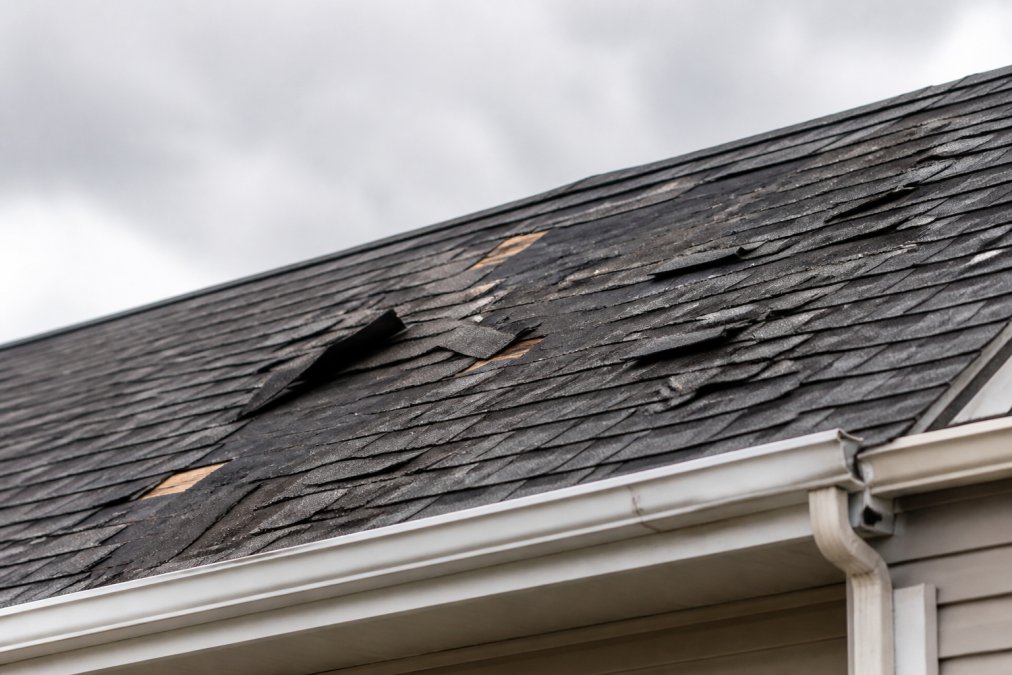
Wind uplift is the primary concern. When strong winds hit a roof, they create pressure differences that literally try to peel the roof away from the structure. Standard materials fail under this stress. Upgraded materials, designed with reinforced fastening, interlocking systems, and heavier construction, resist these forces.
The right roofing material for high wind areas combines weight, structural design, and fastening integrity. These three factors determine whether your roof stays intact during severe weather.
At DGK Home Solutions, we’ve worked with homeowners across the Greater Cincinnati area dealing with storm damage and wind-related failures. The material you choose today prevents emergency calls tomorrow. Whether you’re rebuilding after a storm or upgrading before the next one hits, understanding your options matters.
Standing Seam Metal Roofing
Standing seam metal roofing stands out as the top choice for homeowners serious about wind resistance. This system features interlocking metal panels with concealed fasteners that prevent wind-driven water intrusion and uplift failure.
The panels lock together mechanically, creating a unified structural system rather than individual shingles that can lift independently. Concealed fasteners mean wind can’t catch exposed screw heads, a common failure point on other metal systems. The interlocking design also handles expansion and contraction from temperature swings without compromising seals.
Pros:
- Exceptional wind resistance, designed for hurricane-prone regions
- Longevity exceeding 40 years with minimal maintenance
- Low maintenance requirements and superior water shedding
- Available in multiple colors and profiles
Cons:
- Higher initial installation cost compared to asphalt alternatives
- Requires specialized installation expertise
- Can be noisier during heavy rain without proper insulation
Homeowners in high-wind zones seeking maximum durability and willing to invest upfront for decades of protection.
Standing seam metal roofing performs exceptionally in Liberty Twp and surrounding areas where spring storms bring unpredictable wind events. The initial cost is higher, but the lifespan and minimal repair needs offset that investment over time.
Architectural Asphalt Shingles
Architectural asphalt shingles offer a middle ground between cost and wind performance. These multi-layered shingles weigh more than standard 3-tab varieties, providing better wind resistance without the premium price of metal or tile.
The multi-layer construction adds weight and structural integrity. Class H wind ratings on these shingles indicate they meet high-wind performance standards. They’re widely available, easy to repair when damage does occur, and familiar to most roofing contractors.
Pros:
- Cost-effective compared to metal, tile, or slate alternatives
- Widely available in various aesthetic styles and colors
- Easy to repair, replacement shingles are inexpensive and readily stocked
- Acceptable wind performance for moderate to high-wind areas
Cons:
- Shorter lifespan than metal or tile (typically 20-25 years)
- Susceptible to granule loss over time, reducing effectiveness
- May require replacement sooner in severe wind climates
Budget-conscious homeowners often choose architectural asphalt shingles as their first upgrade from basic 3-tab roofing. They improve wind resistance meaningfully without the investment of premium materials.
Impact-Resistant Asphalt Shingles
Impact-resistant asphalt shingles combine wind protection with hail resistance, making them ideal for regions experiencing both high winds and severe storms. These shingles meet Class 4 impact resistance standards, the highest rating available.
Enhanced adhesive strips secure the shingles more aggressively to the roof deck. Modified asphalt composition provides flexibility that resists cracking and splitting under stress.
Pros:
- Dual protection against wind and hail damage
- Potential insurance premium discounts due to impact rating
- Better wind performance than standard architectural shingles
- Improved longevity under severe weather conditions
Cons:
- More expensive than standard architectural shingles
- Requires proper installation to achieve rated performance
- Still shorter lifespan than metal or tile materials
Check with your insurance provider, many offer discounts of 10-15% for Class 4 impact-rated roofing. The premium cost often pays for itself through reduced insurance premiums over just a few years.
For homeowners in Liberty Twp experiencing both spring winds and occasional hail, impact-resistant asphalt shingles provide solid protection without the expense of premium materials.
Natural Slate and Synthetic Alternatives
Natural slate represents the premium end of roofing materials. This dense stone provides exceptional wind resistance through sheer weight and durability. Slate roofs routinely last 50-100 years, making them a lifetime investment for many homeowners.
Natural Slate Pros:
- Unmatched durability and longevity (50-100+ years)
- Fireproof and waterproof by nature
- Increases property value significantly
- Timeless aesthetic appeal
Natural Slate Cons:
- Very high cost, among the most expensive roofing options
- Requires specialized, professional installation
- Heavy weight demands structural reinforcement
- Brittle under extreme impact or freeze-thaw cycles
Synthetic Slate Pros:
- High durability (30-40 years) with lower cost than natural slate
- Authentic aesthetic appearance
- Lighter weight than natural slate
- Class 4 impact resistance included
Synthetic Slate Cons:
- Premium price point compared to asphalt alternatives
- Requires specialized installation expertise
- Newer material with less long-term performance data
Concrete and Clay Tiles
Concrete and clay tiles bring substantial weight to your roofing system, a major advantage in high-wind areas. This weight naturally resists wind uplift. The heavy mass of these materials makes them nearly impossible for wind to dislodge.
Concrete Tile Pros:
- Extreme wind resistance due to weight
- Fire-resistant properties
- Long lifespan (40-50+ years)
- Available in various profiles and colors
Concrete Tile Cons:
- Requires reinforced roof framing to support weight
- Can be brittle under heavy impact or freeze-thaw stress
- Higher installation cost due to structural requirements
- Heavier than other premium options
Clay Tile Pros:
- Superior wind resistance from weight
- Naturally resistant to rot and insect damage
- Excellent thermal performance (especially in hot climates)
- Classic architectural aesthetic
Clay Tile Cons:
- Heavy weight requires structural support
- Can crack under heavy impact or freeze-thaw cycles
- Premium cost for installation and material
- Less common in northern climates
Wind-Resistant Roofing Installation in Liberty Twp
Improper installation voids manufacturer warranties and defeats the wind-resistance benefits of premium materials. A $20,000 metal roof installed incorrectly performs worse than a $8,000 architectural shingle roof installed properly. This is where contractor expertise matters most.
DGK Home Solutions has completed hundreds of roofing installations across the Greater Cincinnati area. Our team understands the specific wind patterns and weather challenges affecting Liberty Twp properties. We follow manufacturer specifications precisely and use fastening patterns designed for your local wind load requirements.
| Installation Component | Why It Matters | What to Verify |
|---|---|---|
| Fastener Type & Spacing | Prevents uplift at connection points | Matches manufacturer specs for your wind zone |
| Underlayment Attachment | Stops wind-driven water intrusion | Fully adhered or mechanically fastened per code |
| Flashing & Sealing | Protects vulnerable penetrations | Sealed with compatible materials, properly overlapped |
| Edge & Eave Reinforcement | Resists concentrated wind pressure | Double-fastened or reinforced per local requirements |
ASCE 7 Wind Load Requirements for Residential Roofs
ASCE 7 wind load requirements determine which roofing materials are appropriate for your specific property. A material rated for 130 mph winds may not meet code requirements in your location if local standards require 150 mph resistance.
Building codes in Ohio and Indiana reference ASCE 7 standards. When you replace your roof, your contractor must design the system to meet current code requirements for your property’s specific wind zone. This isn’t optional, it’s a legal requirement for permitted work.
| Material | Wind Resistance | Lifespan | Installation Cost | Best For |
|---|---|---|---|---|
| Standing Seam Metal | Exceptional | 40+ years | Premium | Maximum durability seekers |
| Architectural Asphalt | Good | 20-25 years | Moderate | Budget-conscious homeowners |
| Impact-Resistant Asphalt | Excellent | 20-25 years | Moderate-High | Storm-prone areas |
| Natural Slate | Exceptional | 50-100+ years | Very High | High-end, long-term investment |
| Synthetic Slate | Excellent | 30-40 years | High | Slate aesthetic, practical budget |
| Concrete Tile | Exceptional | 40-50+ years | High | Homes with strong framing |
| Clay Tile | Exceptional | 40-50+ years | High | Hot climates, architectural style |
Frequently Asked Questions
What is the most wind-resistant roofing material for homes in high wind areas?
Standing seam metal roofing and natural slate offer the highest wind resistance due to their structural design and weight. Standing seam metal features interlocking panels with concealed fasteners that prevent wind-driven water intrusion, while natural slate’s extreme density provides unmatched durability. For budget-conscious homeowners, architectural asphalt shingles with Class H ratings provide reliable wind protection at a lower cost. The best choice depends on your home’s structural capacity, budget, and aesthetic preferences.
How do ASCE 7 wind load requirements affect my roofing material choice?
ASCE 7 standards establish the minimum wind speeds your roof must withstand based on your location’s wind zone. These requirements determine which roofing materials are acceptable for your area. Heavier materials like concrete tiles, clay tiles, and slate naturally resist wind uplift better than lighter options. Metal roofing compensates for lighter weight through fastening systems and interlocking design. Your local building code references ASCE 7 to ensure your chosen material meets safety standards for your specific location.
Do insurance companies offer discounts for wind-resistant roofing materials?
Yes, many insurers offer premium discounts for Class 4 impact-resistant shingles and high wind-rated materials. Some companies provide 10-20% discounts for impact-resistant asphalt shingles or metal roofing, depending on your location and policy. Contact your insurance agent to confirm which materials qualify for discounts in your area. Installing a wind-resistant roof can lower your annual premiums and improve your home’s protection against storm damage.
What’s the difference between architectural and impact-resistant asphalt shingles for wind protection?
Architectural asphalt shingles feature multi-layer construction for added weight and wind resistance, with Class H ratings suitable for high-wind zones. Impact-resistant shingles go further, meeting Class 4 impact standards and including enhanced adhesive strips for superior wind performance. Impact-resistant shingles cost more but offer dual protection against both wind and hail, making them ideal for regions prone to severe weather. Both outperform standard 3-tab shingles, but impact-resistant options provide the most comprehensive storm protection.