Last Updated: October 25, 2026
Quick Summary
Attic ventilation issues in older homes manifest as moisture buildup, temperature extremes, and roof structure damage. Common signs include water stains, mold growth, curling shingles, ice dams, and soft or rotting wood that indicate your ventilation system isn’t removing excess humidity and regulating temperature swings effectively.
- Soffit and ridge vents blocked by paint, debris, or caulk are the most common ventilation problems in older homes.
- Unventilated attics can reach 150 degrees or higher in summer, causing premature shingle degradation and energy loss.
- Bathroom and dryer exhaust vents terminating in the attic instead of outside are major moisture sources requiring immediate correction.
- A basic attic inspection takes 30-45 minutes and requires only a flashlight, work gloves, dust mask, and ladder.
- Clearing blocked vents, redirecting exhaust ducts outside, and sealing air leaks address most ventilation problems in older homes.
Table of Contents
- Why Roof Ventilation Matters in Older Homes
- Signs of Poor Attic Ventilation You Can Spot
- Understanding Attic Condensation Causes
- How to Perform a Roof Ventilation Inspection
- How to Improve Attic Ventilation in Older Roofs
- When to Call a Professional Roofer
- Schedule Your Free Roof Ventilation Assessment
- Frequently Asked Questions
Why Roof Ventilation Matters in Older Homes
Poor attic ventilation in older homes creates a cascade of problems that damage your roof structure and drain your wallet.
At DGK Home Solutions, we’ve inspected many older homes throughout Liberty Twp and the surrounding area. The most common issue we find? Homeowners don’t realize their attic ventilation problems until they’ve already caused expensive damage.
Identifying roof ventilation issues early prevents costly repairs down the line. Proper attic ventilation does three critical things: it removes excess moisture, regulates temperature swings, and extends the life of your roofing materials. Learn how to restore your historic roof while preserving architectural integrity, including ventilation considerations specific to older properties.
The good news is that you can spot attic ventilation issues yourself with a basic inspection. Understanding what to look for takes about an hour and can save you thousands in preventive repairs.
Signs of Poor Attic Ventilation You Can Spot
Moisture and Condensation Problems
Moisture accumulation is the clearest sign of inadequate attic ventilation. When warm, humid air gets trapped in your attic without proper air circulation, it condenses on cold surfaces like roof sheathing and framing.
Look for these moisture indicators:
- Water stains on rafters or roof sheathing
- Visible mold or mildew growth (black or greenish spots)
- Damp insulation that feels wet or heavy
- Frost buildup on roof nails during winter months
- Musty odors in the attic space
Condensation damage accelerates wood decay and creates conditions for mold growth. This is especially problematic in older homes where wood framing is often original and irreplaceable. If you notice signs of roof water damage in your attic, your ventilation system likely isn’t performing its job.
Watch out: Don’t confuse normal attic dust with mold. Mold appears in distinct patches and often has a fuzzy texture. If you’re uncertain, photograph it and consult a professional.
Temperature Extremes and Energy Loss
Improper attic ventilation allows temperature swings that damage roofing materials and waste energy. In summer, unventilated attics can reach 150 degrees or higher. In winter, temperature fluctuations cause ice dams and premature shingle degradation.
Signs of temperature control problems include:
- Roof shingles curling, buckling, or appearing aged prematurely
- Inconsistent indoor temperatures between rooms
- Ice dams forming along roof edges during winter
- Noticeably higher heating and cooling costs
- Visible heat damage to insulation or vapor barriers
Older homes lose energy efficiency rapidly when attic ventilation fails. Poor ventilation forces your HVAC system to work harder, driving up utility bills. Many homeowners see energy costs spike when ventilation deteriorates.
Visible Damage to Roof Structure
Physical deterioration of roof components often traces back to ventilation failure. Wood rot, structural decay, and premature material breakdown all accelerate in poorly ventilated attics.
Inspect for these structural warning signs:
- Soft or spongy wood when you press on rafters or sheathing
- Visible wood rot or discoloration
- Sagging roof deck or uneven roofline
- Gaps forming between roof boards
- Nails popping through roof sheathing into the attic
Structural damage in older homes can be catastrophic if left unchecked. Wood framing that’s been compromised by moisture may need replacement, which is far more expensive than fixing ventilation problems early. If you spot structural issues, don’t delay in getting professional assessment.
Poor attic ventilation manifests in several distinct ways that homeowners can identify during a basic inspection.
| Sign | What to Look For | Problem Caused |
|---|---|---|
| Moisture and condensation | Water stains, mold, damp insulation, frost on nails | Wood decay and mold growth |
| Temperature extremes | Curling shingles, ice dams, higher energy bills | Premature material breakdown and energy loss |
| Roof structure damage | Soft wood, rot, sagging deck, popping nails | Structural deterioration and costly repairs |
Understanding Attic Condensation Causes
Condensation forms when warm, moisture-laden air meets cold surfaces (the EPA). Your attic becomes a perfect storm for this when ventilation can’t expel humid air fast enough.
Common sources of excess attic moisture include:
- Bathroom and kitchen exhaust vents terminating in the attic instead of outside
- Clothes dryer vents running into the attic
- Inadequate or blocked soffit vents
- Vapor barriers installed on the wrong side of insulation
- Insufficient insulation creating temperature differentials
- Roof leaks introducing water directly into the space
Older homes often have these moisture sources compounded by original construction that didn’t account for modern humidity levels. Kitchens, bathrooms, and laundry areas generate significant moisture that needs to exit your home completely, not just move to the attic.
The solution requires both removing moisture sources and improving air circulation. Redirecting exhaust vents outside, sealing air leaks, and ensuring soffit and ridge vents are clear all work together to prevent condensation buildup.
How to Perform a Roof Ventilation Inspection
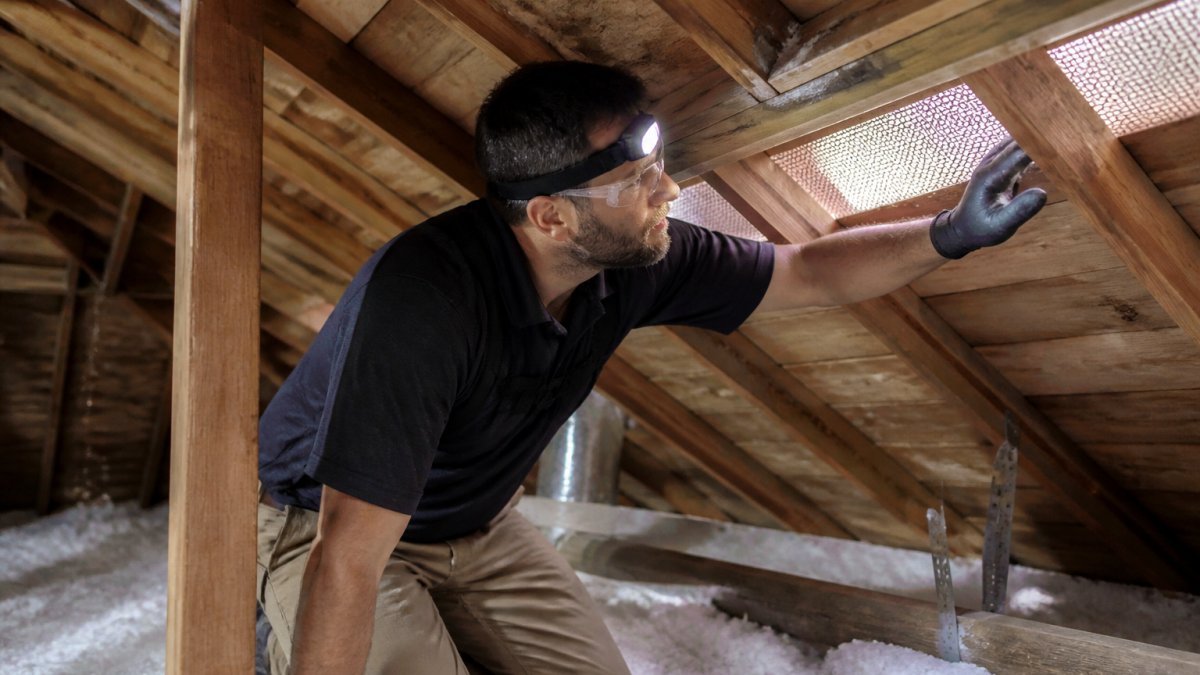
A basic attic inspection takes 30-45 minutes and requires minimal tools. You’re looking for signs of poor ventilation and identifying whether your current system is functioning.
What You’ll Need Before You Start
Gather these items before entering your attic:
- Flashlight or headlamp with fresh batteries
- Work gloves to protect hands from insulation
- Dust mask to avoid inhaling particles
- Sturdy ladder with someone spotting you
- Notebook to document findings
- Camera or phone to photograph problem areas
- Measuring tape (optional, for vent sizing)
Safety matters most. Never enter an attic alone, and never venture into spaces that feel structurally unsound. If your attic shows signs of severe damage or instability, stop and call a professional.
Step-by-Step Inspection Process
Start by examining your roof’s ventilation openings from the ground or a ladder.
Check whether:
- Soffit vents are visible and unobstructed
- Ridge vents appear clear of debris or ice
- Vents aren’t blocked by paint, caulk, or exterior trim
- You can see daylight through soffit vents when looking up from below
Blocked vents are the most common ventilation problem in older homes.
Step 2: Enter the attic and assess air flow (Time: 15 minutes)
Turn off attic lights and look for light coming through soffit vents.
Feel for air movement near vents:
- Hold your hand near soffit vents to detect incoming air
- Move toward ridge vents or gable vents to feel outgoing air
- Note areas where air movement is strong versus weak or absent
Poor air circulation indicates ventilation system failure.
Step 3: Inspect for moisture and condensation (Time: 10 minutes)
Examine roof sheathing, rafters, and insulation for moisture damage.
Document any:
- Water stains or discoloration on wood
- Visible mold growth
- Damp insulation
- Frost accumulation (winter inspections)
- Musty or moldy odors
Take photos of problem areas for your records.
Step 4: Check for exhaust duct terminations (Time: 5 minutes)
Trace bathroom exhaust vents and dryer vents to see where they terminate.
Common Mistakes to Avoid During Inspection
Don’t spend too long in the attic without breaks. Attic air is often dusty and poor quality.
Avoid these inspection errors:
- Stepping on insulation instead of roof framing (you’ll fall through the ceiling)
- Touching electrical wiring or equipment
- Disturbing asbestos-containing materials in older homes (leave these alone)
- Assuming all moisture is from poor ventilation (roof leaks cause moisture too)
- Ignoring safety concerns to complete the inspection
If your attic feels unsafe, smells strongly of mold, or shows signs of pest infestation, exit immediately and call professionals. Some situations require expert assessment.
How to Improve Attic Ventilation in Older Roofs
Fixing attic ventilation issues in older homes requires a systematic approach. Most solutions involve clearing blocked vents, improving air pathways, and sometimes adding ventilation capacity.
Start with these foundational fixes:
- Clear all soffit vents of debris, paint, or caulk
- Ensure ridge vents are completely unobstructed
- Redirect bathroom and dryer exhaust vents outside
- Seal air leaks around penetrations (pipes, wiring, ductwork)
- Remove insulation blocking soffit vents (maintain 1-2 inch clearance)
- Install baffles in soffit areas to maintain airflow pathways
These basic improvements address most ventilation problems in older homes. They’re also relatively inexpensive compared to structural repairs caused by long-term moisture damage.
For homes with severe ventilation deficiencies, additional measures may include:
- Installing additional soffit or gable vents
- Upgrading to powered attic ventilation fans
- Adding ridge vents where none exist
- Improving insulation placement and vapor barrier installation
The right solution depends on your home’s specific design, climate zone, and existing ventilation infrastructure. What works for one 1950s home may differ from what’s needed for a 1920s historic property.
When to Call a Professional Roofer
Some ventilation issues require professional expertise. Know when to bring in specialists rather than attempting DIY fixes.
Call a professional if you discover:
- Extensive wood rot or structural damage
- Mold growth covering large areas
- Roof leaks in addition to ventilation problems
- Asbestos-containing materials (common in older homes)
- Electrical hazards or pest infestations
- Uncertainty about proper vent placement or sizing
Professional roofers can assess your complete ventilation system and recommend the most cost-effective improvements. They also understand local building codes and can ensure repairs meet current standards.
Benefits of professional roof inspections for homeowners include comprehensive assessment, proper documentation for insurance claims, and expert recommendations tailored to your specific situation. Professional inspections catch problems your visual assessment might miss.
DGK Home Solutions has over 20 years of experience working with older homes throughout the Greater Cincinnati area. We understand the unique ventilation challenges that come with vintage roof construction.
Schedule Your Free Roof Ventilation Assessment
Identifying roof ventilation issues early protects your home’s structure and your wallet. Poor attic ventilation costs homeowners thousands in premature repairs and energy waste, but these problems are preventable with proper maintenance and timely fixes.
Don’t wait for visible damage to appear. Schedule an inspection this season and address ventilation issues before they become expensive structural problems. DGK Home Solutions offers free ventilation assessments for homeowners in Liberty Twp and the surrounding region. We’ll evaluate your attic’s current condition, identify specific problems, and recommend solutions with transparent pricing and no pressure. Get started with a free roof ventilation assessment and protect your older home’s roof for years to come.
Frequently Asked Questions
What are the signs of poor attic ventilation in an older home?
Common signs include visible moisture or frost on attic framing in winter, musty odors, dark stains on roof decking, peeling paint on soffits, and ice dams forming along roof edges. You may also notice the attic feels excessively hot in summer or damp year-round. These symptoms indicate your attic ventilation issues are affecting both comfort and the structural integrity of your roof.
What causes condensation in an attic?
Attic condensation causes include warm, humid air rising from living spaces below meeting cold roof surfaces, combined with inadequate ventilation to expel that moisture. In older homes, poor insulation, air leaks, and blocked vents compound the problem. Winter is the worst season because the temperature difference between warm indoor air and cold roof decking creates ideal conditions for moisture to condense on framing and sheathing.
Can I improve attic ventilation myself, or do I need a professional?
Simple improvements like clearing blocked soffit vents or debris from existing vents can be DIY tasks. However, adding new vents, rebalancing intake and exhaust ventilation, or addressing structural issues requires professional expertise. Improper ventilation work can create new problems, like moisture being driven into walls or uneven air pressure. For older homes with unusual roof angles or existing damage, professional assessment ensures the solution fits your specific situation.
How often should I inspect my attic ventilation?
Inspect your attic at least twice yearly, once in fall before winter moisture season and once in spring after snow melt. After storms, heavy snow, or ice dam events, check sooner. In older homes, annual inspections are wise because aging vents deteriorate faster and blockages accumulate. Regular checks catch small ventilation problems before they cause expensive roof damage or interior moisture issues.
Your roof works hard to protect your home. When ventilation fails, that protection breaks down quickly. Let our experienced team evaluate your attic’s ventilation system and recommend the right fixes for your older home’s specific needs. We handle everything from assessment through completion, with clear communication and honest guidance every step of the way.
