Table of Contents
- How Gutters Fail During Heavy Storms
- Signs of Gutter Damage After Storm Events
- How to Prevent Gutter Sagging and Failure
- Inspecting Your Gutters Before Storm Season
- 6 Inch Gutter Service for Homes Across the Region
- When to Call a Professional After Storm Damage
- Protecting Your Home From Future Storm Damage
- Frequently Asked Questions
Last Updated: September 17, 2026
How Gutters Fail During Heavy Storms
Why gutters fail during heavy storms comes down to simple physics: water volume overwhelms the system’s capacity, and structural weaknesses give way under pressure. At DGK Home Solutions, we’ve assessed many storm-damaged gutters across the Greater Cincinnati area, and the failure patterns are remarkably consistent.
Most gutter failures happen because of three core problems. First, gutters clog with debris. Leaves, twigs, and sediment block water flow. When rain falls hard, water backs up and spills over the sides instead of flowing to downspouts. Second, gutters sag under weight. Heavy water loads, combined with years of wear, cause sections to pull away from fascia boards. Third, fasteners fail. Nails and hangers loosen over time, leaving gutters unsupported when they need strength most.
The real issue isn’t that gutters are fragile, it’s that most homeowners don’t know what to look for until damage appears. A gutter system that’s maintained stays functional through storms. One that’s neglected will fail predictably.
Here’s what happens in a heavy rain event. Water rushes off your roof at high speed. A well-functioning gutter catches it and directs it safely away. But if your gutters are clogged, sagging, or poorly installed, that water has nowhere to go. It overflows, runs down your siding, pools around your foundation, and leaks into your basement. Over time, this water damage becomes expensive.
Signs of Gutter Damage After Storm Events
After a storm passes, inspect your gutters for these specific warning signs. Visible damage tells you whether your system needs repair or replacement.
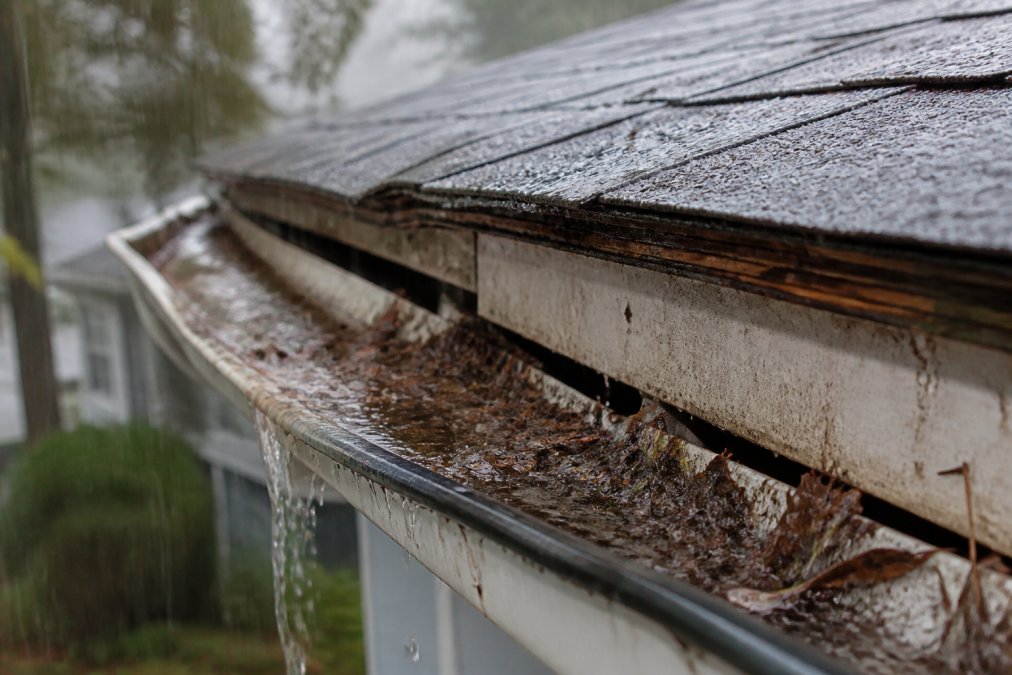
Look for standing water in sections of your gutter. Water should flow smoothly toward downspouts. If it pools anywhere, that section is sagging. Sagging gutters can’t drain properly, and the weight of trapped water makes sagging worse.
Check for visible separation from your fascia board. Gutters should sit flush against the edge of your roof. Gaps between the gutter and fascia mean fasteners have failed. Wind and water pressure will pull the gutter further away.
Inspect downspouts for proper drainage. Water should exit several feet away from your foundation. If downspouts dump water close to your house, or if water pools around the base of your gutters, your system isn’t directing water safely.
Look at the ground around your foundation after rain. Erosion, pooling, or wet spots indicate gutter overflow. Your gutters may be too small for your roof area, clogged, or damaged.
Check interior walls and ceilings for water stains. Stains appearing after a storm suggest gutters failed to contain water. Water may be running down your exterior walls or leaking into your attic.
Visible dents, cracks, or holes in gutter sections mean replacement is needed soon. Small damage gets worse with each storm.
How to Prevent Gutter Sagging and Failure
Preventing gutter sagging requires regular maintenance and smart design choices. Start by cleaning gutters twice yearly, spring and fall. Remove leaves, twigs, and sediment by hand or with a gutter scoop. Flush the system with a hose to ensure water flows freely. Properly aligned and unobstructed downspouts are essential for preventing foundation damage by directing runoff safely away from the structural base of your home.
Install gutter guards if debris is a persistent problem. Guards reduce maintenance frequency and keep most leaves out of gutters. They don’t eliminate cleaning entirely, but they help.
Check fasteners and hangers seasonally. Tighten any loose nails or bolts. Replace corroded or damaged fasteners immediately. Loose fasteners are the leading cause of gutter sagging.
Ensure downspouts extend at least 4-6 feet from your foundation. Use extensions or splash blocks to direct water away. Water dumped close to your house causes foundation problems and basement leaks.
For homes in Liberty Twp with older gutters, consider upgrading to a larger system. A 6-inch gutter handles more water volume than standard 5-inch gutters. If your roof area is large or your roof pitch is steep, a 6-inch gutter service provides better protection during heavy rainfall.
Make sure gutters are pitched correctly toward downspouts. Gutters should slope about 1/4 inch per 10 feet of run. Improper pitch causes water to pool and gutters to fail.
Inspecting Your Gutters Before Storm Season
Before heavy rain arrives, perform a thorough gutter inspection. Catch problems early and fix them before storms hit.
Start from the ground. Walk around your home and look at gutters from below. Check for visible sags, gaps, or loose sections. Note any areas where gutters pull away from the fascia.
Climb a ladder safely and inspect the interior of gutters. Remove debris and check for rust, cracks, or holes. Look for standing water or algae growth, which indicates poor drainage.
Check all seams and joints. Seams are common failure points. If you see gaps or separation at seams, water leaks behind gutters and damages fascia boards and siding.
Inspect downspouts from top to bottom. Make sure water flows freely. Clogged downspouts cause water to back up into gutters, creating overflow and damage.
Test drainage by running water from a hose. Pour water into the gutter and watch how it flows. It should move smoothly toward downspouts without pooling.
Check the condition of gutters at corners and where sections connect. These areas experience extra stress during storms.
Document what you find with photos. If you need professional help, photos help contractors understand the scope of work needed.
6 Inch Gutter Service for Homes Across the Region
A 6-inch gutter service is designed for homes that need extra water-handling capacity. Standard 5-inch gutters work fine for many homes, but larger roofs, steep pitches, or high-rainfall areas benefit from the upgrade.
A 6-inch gutter holds more water and drains faster. During heavy storms, this extra capacity prevents overflow. Water flows smoothly to downspouts instead of backing up and spilling over.
The 6-inch gutter service includes professional installation with proper pitch and secure fastening. Installers ensure gutters are sized correctly for your roof area and slope. In Liberty Twp and surrounding areas, DGK Home Solutions provides complete 6-inch gutter installation, repair, and maintenance.
When should you upgrade to 6-inch gutters? If your current gutters overflow during moderate rain, if your roof area is large, or if your roof pitch is steep, a 6-inch system handles the load better. If you’re replacing gutters anyway, going to 6 inches adds protection without much additional cost.
Upgrading gutters also improves curb appeal. Larger gutters look more substantial and professional. For homes preparing to sell, a new 6-inch gutter system increases perceived value and shows buyers you’ve maintained the property.
When to Call a Professional After Storm Damage
Some gutter problems you can handle yourself. Others require professional expertise. Know when to call a contractor.
Call a professional if gutters are severely damaged. Cracks, large holes, or extensive sagging mean replacement is needed. Attempting repairs on badly damaged gutters wastes time and money.
If you’re uncomfortable on a ladder or your gutters are high up, hire a professional. Gutter work at height is dangerous. Professionals have proper equipment and safety training.
Call a contractor if water is leaking into your home. This indicates gutters aren’t functioning properly and water is finding its way behind fascia boards or into walls. Professional diagnosis is necessary.
If your gutters are pulling away from the fascia, professional reattachment is better than DIY fixes. Contractors have the right tools and know how to secure gutters properly.
After a major storm, if you’re unsure about damage, get a professional inspection. DGK Home Solutions offers free assessments to determine whether repair or replacement is needed. Many homeowners don’t realize how much damage occurred until a trained eye inspects the system.
Document all storm damage with photos before cleanup. Insurance companies require photographic evidence. If you’re filing a claim, photos of damage increase approval odds and help contractors explain what repairs are needed.
Protecting Your Home From Future Storm Damage
After dealing with gutter failure, take steps to prevent it from happening again. Smart maintenance and upgrades protect your home long-term.
Establish a regular cleaning schedule. Clean gutters before and after heavy storms. Remove debris promptly. A clean gutter system is a functional one.
Invest in gutter guards if debris accumulation is a recurring problem. Quality guards reduce maintenance and keep most leaves out.
Upgrade to a 6-inch gutter system if your current gutters are undersized. The extra capacity handles heavy rain without overflow.
Ensure downspouts drain properly away from your foundation. Poor drainage causes foundation problems and basement leaks.
Consider adding a rain barrel or cistern to capture runoff. This reduces the volume gutters must handle during storms and provides water for irrigation.
Schedule annual professional inspections.
Frequently Asked Questions
Why do my gutters overflow during heavy rain?
Gutters overflow when they cannot handle the volume of water flowing from your roof. This happens when gutters are too small for your roof’s pitch and area, when debris blocks water flow, or when downspouts are undersized or clogged. Homes with larger roof surfaces or steep pitches need larger gutters, typically 6-inch gutters instead of 5-inch, to manage heavy rainfall effectively.
Can heavy storms cause gutters to pull away from the house?
Yes. When gutters fill with water and debris during storms, the weight can exceed the capacity of fasteners and hangers. Wind gusts add lateral stress, and if gutters are improperly installed or hangers are spaced too far apart, sections can separate from the fascia. This is especially common in older homes where original hardware has corroded or where gutters were never designed for modern rainfall intensity.
What size gutters do I need to handle heavy storms?
Most residential homes use 5-inch K-style gutters, but homes with larger roof areas, steep pitches, or in regions with heavy rainfall benefit from 6-inch gutters. A 6-inch gutter can handle about 40% more water volume than a 5-inch system. The right size depends on your roof’s square footage, slope, and local weather patterns. A professional assessment ensures your gutters match your home’s needs.
How often should I have my gutters inspected?
Inspect gutters twice yearly, once in spring and once in fall, to remove debris and check for damage. After severe storms, inspect immediately for separation, dents, or water pooling. Regular maintenance prevents failures during the next heavy rain and extends gutter lifespan significantly.
Storm damage to gutters doesn’t have to mean a long, stressful repair process. DGK Home Solutions handles the entire job from start to finish, including insurance claim support and professional installation with top-quality materials. Our team provides clear communication throughout, honest assessment of your property’s needs, and a stress-free experience. Get a free quote today and protect your home from the next storm.