Table of Contents
- Understanding the Roof Replacement Timeline for Homeowners
- Pre-Replacement Phase: Inspection, Permits, and Planning
- How to Prepare for Roof Replacement
- The Roof Insurance Claim Process in Ohio
- Installation Phase: What Happens During the Actual Replacement
- Factors That Affect Your Roof Replacement Timeline
- Post-Installation: Final Inspections and Cleanup
- Conclusion
- Frequently Asked Questions
Last Updated: September 19, 2026
Understanding the Roof Replacement Timeline for Homeowners
A roof replacement timeline spans several weeks from initial inspection through final cleanup, with most residential projects taking 4-8 weeks total depending on complexity, weather, and permit requirements. Understanding what happens at each stage helps homeowners plan around the disruption and set realistic expectations with their contractor.
The roof replacement timeline for homeowners involves multiple phases that don’t always happen consecutively. Permits must be approved before work begins. Material delivery windows can shift dates. Weather delays are common. Insurance claims add time if storm damage is involved. At DGK Home Solutions, we’ve guided hundreds of homeowners through this process in the Greater Cincinnati area, and the most stress-free experiences happen when people know what to expect and when.
This guide walks you through each phase, explains what affects your timeline, and shows you how to prepare so the process moves as smoothly as possible.
Pre-Replacement Phase: Inspection, Permits, and Planning
The pre-replacement phase typically takes 2-4 weeks and includes three critical steps: the initial inspection, permit application, and material selection.
Your inspection happens first. A qualified roofer assesses your roof’s condition, identifies damage, and determines whether repair or full replacement makes sense. This appointment usually takes 1-2 hours. If you have storm damage and need an insurance claim, the roofer documents everything with photos and measurements. Many homeowners in Liberty Twp dealing with hail or wind damage start here.
Permit applications come next. Most municipalities in Ohio require roofing permits before work begins. The application process typically takes 5-10 business days, though some jurisdictions move faster. You’ll need the inspection report, detailed project plans, and contractor licensing information. Your contractor usually handles this, but confirm they’re filing on your behalf. Delays here are common if the permit office has a backlog or if your home has historic designation requiring additional review.
Material selection and ordering happens during the permit window. You choose shingle type, color, and quality grade. Lead times vary: standard asphalt shingles ship within days, but premium materials or specialty products can take 2-3 weeks. Coordinate with your contractor to ensure materials arrive close to your scheduled start date, not weeks before (storage becomes a problem) or after (work gets delayed).
How to Prepare for Roof Replacement
Preparation takes 1-2 weeks and focuses on protecting your property and setting expectations with your household.
Clear the roof area of any loose items: antennas, satellite dishes, or decorative elements should come down beforehand. This prevents damage and gives crews full access. If you have gutters, ask your contractor whether they’ll clean them during the project or if you should handle that separately.
Protect your landscaping. Roofing debris falls during removal. Ask your contractor to lay tarps over gardens, outdoor furniture, and vehicles parked nearby. Falling nails and shingle fragments can damage paint or landscaping, and cleanup is easier with protection in place.
Arrange interior access. Crews need water and bathroom access. Designate a clear path from the driveway to your home entrance so workers don’t track through living spaces. If you have a basement or attic, let your contractor know whether they can access these areas during work, they may need ventilation or structural assessment.
Plan for noise and disruption. Roofing removal is loud, typically 8 AM to 5 PM on work days. If you work from home, plan to be elsewhere during removal day. Expect dust inside your home despite precautions. Close interior doors and windows on the roof-facing side.
Confirm your contractor’s insurance and licensing. Ask for proof of general liability and workers’ compensation coverage. Verify they’re licensed in Ohio and have no unresolved complaints with the Better Business Bureau. This protects you if someone is injured on your property.
The Roof Insurance Claim Process in Ohio
If storm damage triggered your replacement, the insurance claim process adds 2-4 weeks to your overall roof replacement timeline. Understanding this process prevents surprises and keeps the project moving.
Document the damage yourself before the adjuster arrives. Take photos and videos of affected areas from multiple angles. Note the date of the storm and any visible damage to siding, gutters, or landscaping, this supports your claim. Keep these files organized and accessible for your adjuster meeting.
The insurance company assigns an adjuster who inspects your roof and estimates repair costs. Schedule this appointment as soon as possible after filing your claim. The adjuster typically visits within 5-10 business days. Your contractor can attend this inspection to answer technical questions and ensure the estimate reflects actual damage.
The adjuster’s report determines your coverage. They compare damage against your policy limits and deductible. If the estimate exceeds your deductible, insurance covers the difference. If damage is minor, your deductible may exceed the claim amount, meaning you pay out of pocket. Ask your adjuster to explain the estimate clearly, don’t assume you understand the coverage without clarification.
Approval typically takes 1-2 weeks after the inspection. The insurance company sends payment once they’ve processed the claim. Some policies pay in full upfront; others hold back a portion until the work is completed and inspected. Confirm your payment schedule with your insurance agent before signing a contractor agreement.
Your contractor should communicate directly with your insurance company. At DGK Home Solutions, our team handles the claim process on your behalf, coordinating with adjusters and ensuring your estimate aligns with what insurance approves. This eliminates confusion and keeps the roof replacement timeline moving forward.
Installation Phase: What Happens During the Actual Replacement
The installation phase is the most visible part of your roof replacement timeline and typically takes 2-5 days for a standard residential home, depending on roof size and complexity.
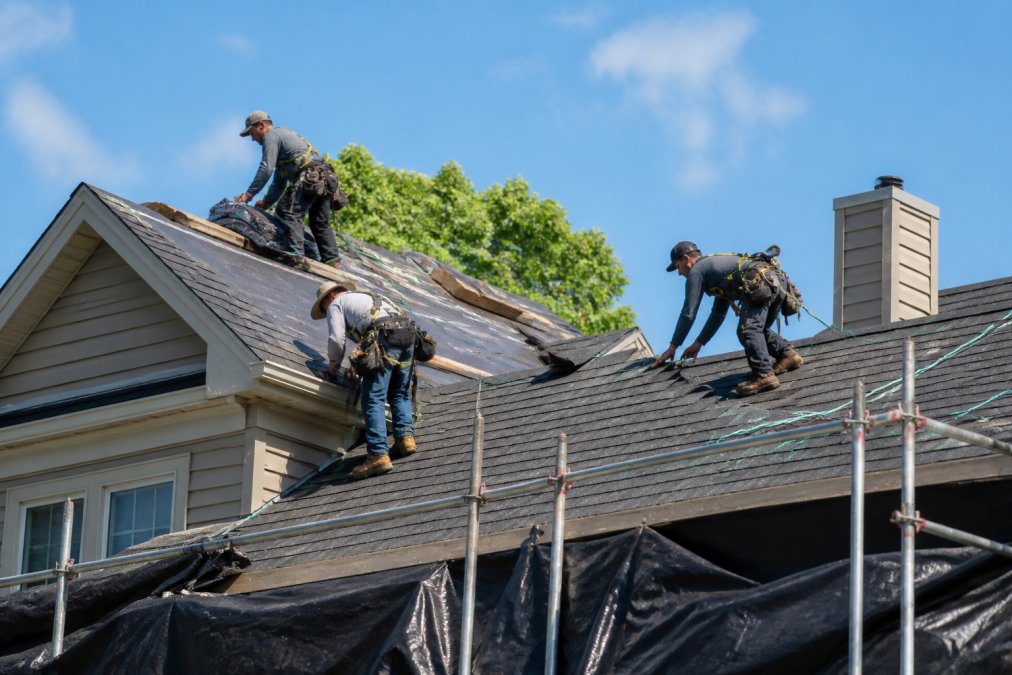
Day one focuses on removal. Crews strip the old roofing material layer by layer, exposing the roof deck. This is loud and generates significant debris. Dumpsters are positioned on your driveway or lawn to catch falling material. Removal typically takes 6-8 hours for a single-story home, longer for larger or multi-story houses. Your contractor should have debris contained and swept by end of day.
Inspection of the roof deck happens next. Once old material is gone, the contractor inspects the underlying wood structure for rot, water damage, or structural issues. If damage is found, repairs are made before new material goes down. This is where surprise costs sometimes emerge, if the deck is compromised, additional repairs become necessary. Your contractor should notify you immediately if this happens and explain the scope and cost.
New underlayment and flashing are installed on day two.
Factors That Affect Your Roof Replacement Timeline
Several variables can extend or compress your roof replacement timeline. Understanding these helps you plan realistically.
Post-Installation: Final Inspections and Cleanup
The post-installation phase takes 1-2 weeks and ensures everything meets code and functions properly.
Conclusion
The roof replacement timeline for homeowners typically spans 4-8 weeks from inspection through final inspection, though weather, permits, and insurance claims can extend this. At DGK Home Solutions, we manage every phase of the process with clear communication and honest timelines so you know exactly what to expect. Our team in Liberty Twp and the Greater Cincinnati area handles permit coordination, insurance claims, and quality installation so the process stays on track.
Frequently Asked Questions
How long does a typical roof replacement take?
Most residential roof replacements take 1-3 days for the actual installation, depending on roof size, complexity, and weather. The full roof replacement timeline from inspection to completion typically spans 2-4 weeks when accounting for permits, scheduling, and material delivery. Larger homes or roofs with multiple angles may take longer.
What factors delay a roof replacement project?
Weather is the primary delay factor, rain, high winds, or extreme temperatures stop work for safety. Permit processing can add 1-2 weeks. Unexpected structural damage discovered during removal extends the timeline. Material shortages or scheduling gaps between crews also cause delays. Having a contractor who communicates clearly about weather impacts and potential delays helps set realistic expectations.
Do I need to be home during my roof replacement?
You don’t need to stay home the entire day, but being available during start and end times is helpful for communication. The crew will need access to your property and may need to discuss findings or changes. If you work from home, expect noise and activity from early morning until late afternoon. Discuss access and communication plans with your contractor beforehand.
How does the roof insurance claim process work in Ohio?
After storm damage, document the damage with photos and contact your insurance company to file a claim. Your insurer will send an adjuster to assess damage. Many contractors can help navigate the claims process and work directly with adjusters. The adjuster determines what your insurance will cover, and you receive an estimate. Your contractor then schedules the work based on insurance approval and your availability.
What permits do I need for roof replacement in Liberty Township?
Most roof replacements in Liberty Township require a building permit before work begins. Permit requirements vary based on roof type and scope of work. Your contractor should handle permit applications and coordinate with local inspectors. Permits typically take 1-2 weeks to process. Skipping permits can result in fines and complications if you sell your home, so working with a contractor familiar with local requirements is essential.
What should I do to prepare my home for roof replacement?
Clear gutters and downspouts of debris. Move vehicles away from the house to allow equipment and material staging. Secure outdoor furniture, grills, and decorations. Trim tree branches hanging over the roof. Inside your home, move breakable items away from walls, close windows, and prepare for noise. Discuss roof access points with your contractor. Ask about dumpster placement and where the crew will park. Clear communication about these details prevents surprises.
Will I be surprised by hidden damage during roof replacement?
Roof replacements sometimes reveal underlying damage to decking, underlayment, or structural components once the old roof is removed. A professional inspection before work begins helps identify potential issues. Honest contractors will explain what they find and provide updated estimates before proceeding. Ask your contractor upfront how they handle unexpected damage and what’s covered under warranty to avoid surprises.