Table of Contents
- Why Your Roof Leaks Only During Storms
- Common Causes of Storm-Related Roof Leaks
- Signs of Storm Damage on Your Roof
- How to Identify Where the Leak Is Coming From
- Emergency Roof Leak Repair in Liberty Twp
- DIY Temporary Fixes vs. Professional Repair
- Homeowners Insurance and Roof Replacement in Ohio
- Preventing Future Storm Leaks
Last Updated: August 26, 2026
Why Your Roof Leaks Only During Storms
When rain starts falling, your ceiling stays dry. But the moment a storm rolls in with wind and heavy downpours, water appears on your walls and drips into your attic. This pattern suggests your roof isn’t fundamentally broken, yet something about storms specifically triggers the leak.
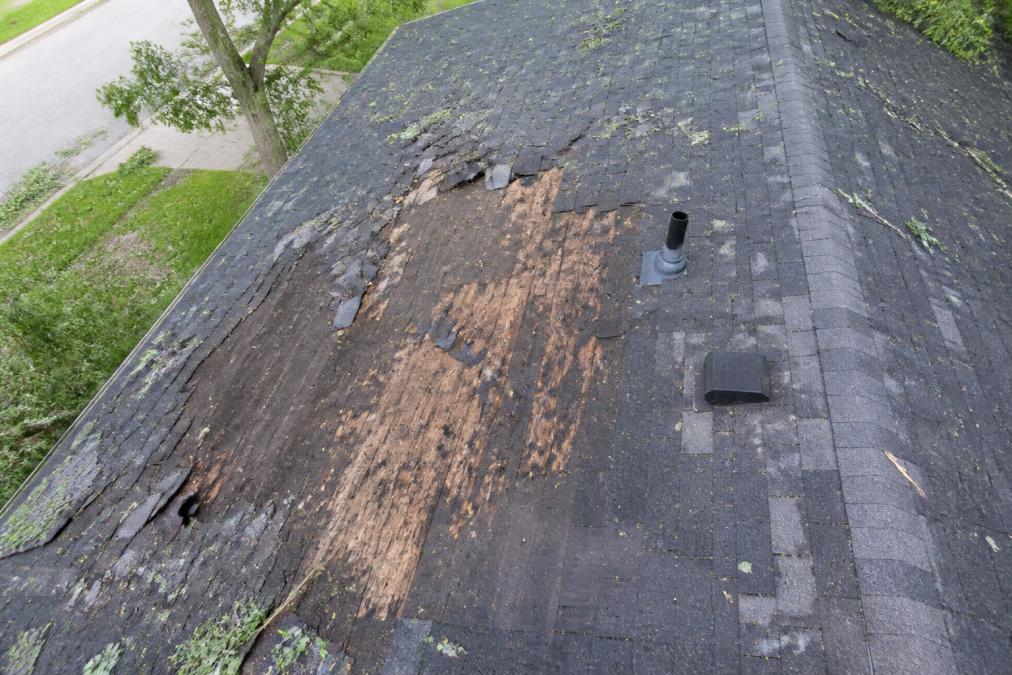
Wind-driven rain doesn’t fall straight down; it hits your roof at angles, exploiting vulnerabilities that dry conditions never expose. Pressure changes during storms can force water through gaps in flashing, under shingles, and around penetrations. Missing shingles, clogged gutters, and poor drainage become critical weak points the moment wind and intensity increase.
At DGK Home Solutions, we’ve identified the specific conditions that separate a roof that handles light rain from one that fails under storm pressure. Understanding these causes helps you know whether you’re facing a minor repair or a sign of larger structural issues.
Common Causes of Storm-Related Roof Leaks
Storm-related leaks share common patterns. They don’t happen during calm weather, which means your roof’s basic structure is usually sound. Instead, the combination of wind, pressure, and heavy water volume exposes specific weak points.
Wind-Driven Rain and Pressure Changes
During a storm, water hits your roof at 30, 45, or even 60-degree angles depending on wind speed and direction (peer-reviewed research). This angled approach forces water under shingles and into gaps that normally shed water downward.
Pressure changes add another layer of complexity. As wind moves across and around your home, it creates zones of high and low pressure. Low-pressure zones can actually pull water upward and inward through small openings. A roof with minor flashing gaps might handle 2 inches of rain falling straight down, but the same roof fails when that rain comes sideways at 40 mph winds (fema.gov).
Damaged or Missing Shingles
Missing shingles create obvious entry points, but the damage often extends beyond what you see from the ground. When a shingle is missing, water spreads across the underlying wood or felt, soaking into areas that should stay dry.
Damaged shingles, cracked, curled, or partially lifted, are equally problematic during storms. Wind can peel back a damaged shingle enough to let water underneath. Once water gets under the shingle layer, it travels laterally across the roof deck, sometimes dripping into your home far from where it entered. Shingles lose flexibility as they age, making 15-year-old shingles more vulnerable to storm wind than newer ones (astm.org).
Flashing Failures and Gaps
Flashing is the metal or rubber seal around roof penetrations, chimneys, vents, skylights, and where walls meet the roof. Gaps develop where flashing meets shingles or where two pieces overlap. Caulk dries and shrinks over time, creating hairline cracks invisible until water finds them during a storm.
Metal flashing corrodes, especially in areas with freeze-thaw cycles. Rust creates pinholes that allow water through. During a storm with wind-driven rain, water pressure forces it through these tiny openings.
Clogged Gutters and Drainage Issues
Clogged gutters prevent water from flowing away from your roof edge. Instead, water backs up, pools, and finds its way under shingles or through gaps in the fascia. During a heavy storm, a clogged gutter becomes a dam that forces water to overflow or seep back under the roof.
Downspouts that aren’t properly graded or that drain toward your foundation compound the problem. Poor attic ventilation also plays a role, moisture that gets into your attic needs a way to escape, or it condenses on wood, creating conditions where rot develops.
Signs of Storm Damage on Your Roof
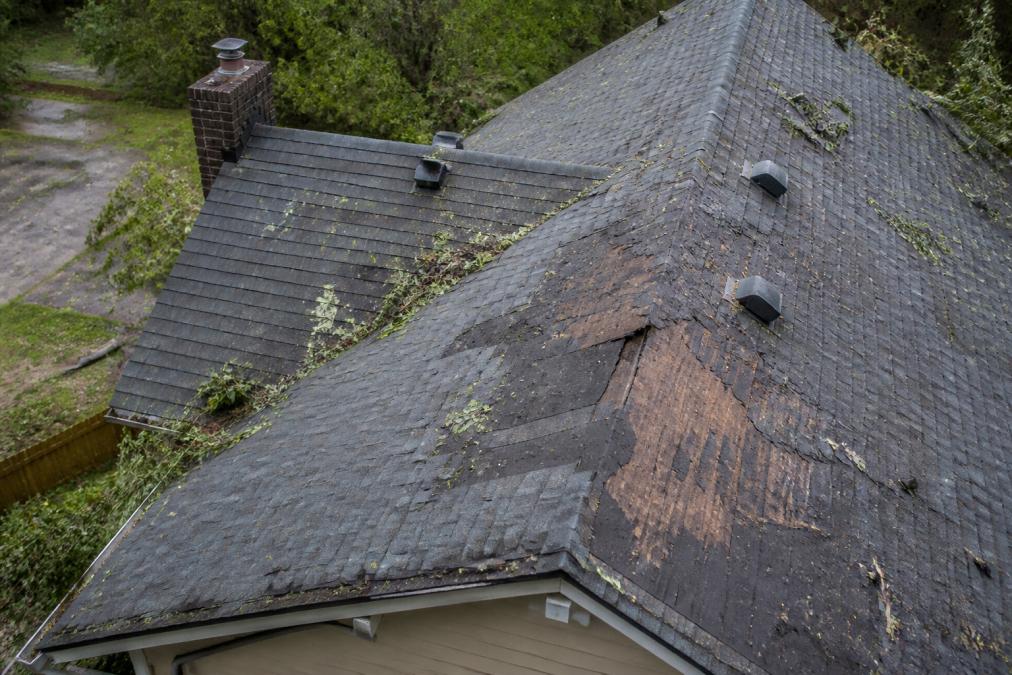
After a storm, visible damage on your roof is the clearest indicator that leaks are likely. Missing shingles are obvious, but look for partial damage too, shingles with exposed nail heads where the seal has lifted, torn edges, or completely missing sections. From the ground, use binoculars to scan your roof.
Debris scattered across your roof suggests significant wind. Check whether debris has damaged shingles or bent flashing. Water stains on your fascia or soffit point to water overflow from gutters or water running down from damaged areas above.
In your attic, look for wet insulation, water stains on rafters or the roof deck, or actual dripping during or after rain. Sagging spots on your ceiling or soft areas when you press on drywall suggest water has accumulated inside your home’s structure and requires professional attention.
How to Identify Where the Leak Is Coming From
Finding the exact entry point is harder than it seems. Water enters at one location but travels inside your home before dripping into a visible spot.
Trace Water Stains and Wet Spots
Start in your attic with a flashlight during or immediately after rain. Look for active dripping, wet spots, or water running down rafters. Follow the water trail upward toward the roof. Mark the location with tape so you can find it again in daylight. If you can’t get into the attic, look at your ceiling from below, the darkest, wettest ring shows where water is currently entering.
Check the Attic During or After Rain
The best time to find a leak is while it’s actively happening. Set up in your attic with a light source before heavy rain arrives or go up immediately after a storm ends while moisture is still visible. Look at the roof deck for dark spots or streaks and follow these stains upward to find where water is entering. Check all roof penetrations: vents, chimneys, skylights, and any place where something passes through the roof.
Inspect Roof Penetrations and Flashing
From the ground or using a ladder, inspect every roof penetration and the flashing around it. Look for gaps between flashing and the roof, cracks in caulk, rust, or separation of fasteners. Check where flashing overlaps with shingles, water should flow over the top of the flashing and down over the shingles below it.
Chimneys are common leak sources. The flashing where the chimney meets the roof is complex, with multiple overlapping pieces. Ice dams in winter can force water backward under flashing. Vent pipes also fail frequently, the rubber boot around a vent pipe deteriorates in sunlight, cracks, and pulls away from the pipe.
Emergency Roof Leak Repair in Liberty Twp
If you have an active leak during a storm, your immediate goal is to minimize water damage to your home’s interior. Move furniture and valuables away from water dripping areas. Place buckets or tarps under active drips. If water is pooling on your ceiling, use a pushpin to puncture the drywall slightly below the bulge so water drains into a bucket instead of spreading.
For a temporary roof patch, tarps are your best option. Secure a heavy-duty tarp over the damaged area using rope or ratchet straps, ensuring water runs off the tarp and away from your home. If you’re in Liberty Twp or the surrounding area and need immediate attention, professional emergency repair is worth the cost. Water damage spreads quickly, and mold can begin growing within 24-48 hours of exposure. DGK Home Solutions offers emergency repair services to address storm damage before it becomes structural damage.
DIY Temporary Fixes vs. Professional Repair
The decision between a temporary fix and professional repair depends on the extent of damage and your comfort level with roofing work.
When to Apply Temporary Patches
Temporary patches are appropriate when you have a small, localized leak and you’re waiting for a professional appointment. Roofing cement can seal small gaps around flashing or minor cracks in shingles. Patching compound works similarly. A temporary shingle replacement using roofing nails and roofing cement can work if you have a missing shingle. Don’t apply these patches in wet conditions, wet surfaces prevent adhesion and the patch will fail immediately.
Why Professional Help Matters
Professional roofers can identify damage that’s not visible from the ground or from your attic. They can assess whether the damage is limited to shingles and flashing or extends to the roof deck and structural framing.
Insurance claims often require professional documentation of damage. A professional roofer provides detailed photos, written assessments, and repair estimates that insurance companies need to process your claim. Quality materials and workmanship matter, a professional uses proper flashing installation techniques, correct fastening patterns, and manufacturer-recommended materials.
Homeowners Insurance and Roof Replacement in Ohio
Storm damage to your roof is typically covered by homeowners insurance in Ohio, but the specifics depend on your policy and the type of damage. Wind and hail damage are usually covered. Water damage from a covered peril, like wind-driven rain that entered through storm-caused damage, is also covered.
However, water damage from existing roof defects or poor maintenance isn’t covered. This is why documentation matters. A professional inspection before filing a claim establishes the condition of your roof and whether storm damage is the cause of the leak.
Your deductible applies to roof claims. If your deductible is 1% of your home’s insured value, a significant roof replacement could mean you pay thousands out of pocket before insurance coverage kicks in.
Filing a claim involves documenting damage with photos and written descriptions. An insurance adjuster will inspect your roof and determine whether damage is covered. Working with a professional roofing company like DGK Home Solutions simplifies the insurance process. We can document damage, communicate with your insurance company, and coordinate repairs.
Preventing Future Storm Leaks
Once your leak is repaired, preventive maintenance reduces the risk of future storm damage. Inspect your roof annually, ideally in spring after winter weather has passed. Look for missing or damaged shingles, gaps in flashing, and debris in gutters.
Clean gutters at least twice a year, spring and fall. Trim tree branches that hang over your roof. Ensure your attic is properly ventilated to allow moisture to escape and prevent ice dams in winter. Check flashing annually, especially around chimneys, vents, and skylights.
If your shingles are more than 15-20 years old, plan for replacement. Aging shingles lose flexibility and are more likely to fail during storms. A new roof is a significant investment, but it’s far cheaper than repeated leak repairs and water damage.
Storm-related roof leaks are frustrating because they suggest your roof is failing, when often the real issue is that storm conditions expose vulnerabilities that normal weather never stresses. Wind-driven rain, pressure changes, and the sheer volume of water during a storm create conditions that test every seal, every gap, and every fastener on your roof.
If you’re dealing with a storm leak in Liberty Twp or the surrounding area, DGK Home Solutions can help. We provide professional inspection, emergency repair, and complete roof replacement when needed. Our team documents damage for insurance claims and communicates clearly throughout the process. Get a free quote and let us assess what your roof needs to handle the next storm.
Frequently Asked Questions
Why does my roof only leak during heavy rain and not light rain?
Heavy rain combines increased water volume with wind-driven pressure that forces water under shingles and through small gaps. Light rain typically lacks the force to penetrate existing vulnerabilities. Wind-driven rain during storms can push water horizontally into areas that would stay dry in calm, vertical rainfall. Small compromises in flashing or shingles may only become apparent when water pressure exceeds a certain threshold.
What are the signs of storm damage on a roof?
Look for missing, cracked, or curled shingles; exposed nail heads; damaged flashing around vents and chimneys; dents in gutters or downspouts; debris embedded in the roof; and granule loss (dark spots in gutters). Inside, check for water stains on ceilings or walls, wet insulation in the attic, or mold growth. Some damage may not be immediately visible, so a professional inspection after a severe storm is worthwhile.
Can I temporarily fix a roof leak myself during a storm?
Yes, temporary measures can buy time: place buckets under drips, move valuables away from the leak area, and use a tarp to cover the affected section once the storm passes. Never attempt repairs during active weather. After the storm, you can apply roofing cement or a temporary patch kit to slow the leak, but these are band-aids, not solutions. Professional repair is necessary to address the underlying cause and prevent water damage to your home's structure.
Are storm-related roof leaks covered by homeowners insurance in Ohio?
Most homeowners insurance policies in Ohio cover sudden, accidental damage from severe storms, including roof leaks caused by wind or hail. However, coverage depends on your specific policy and whether the damage is deemed a direct result of the storm event. Gradual deterioration or neglect is typically not covered. File a claim promptly with photos of the damage, and consider having a professional assessment to support your claim.
This article was written using GrandRanker