Table of Contents
- What Homeowners Insurance Typically Covers for Siding
- What Homeowners Insurance Excludes
- How to File a Siding Insurance Claim
- Siding Damage Insurance Claim Denial Reasons
- Matching Siding Laws in Ohio
- Getting Professional Help with Your Claim
- Conclusion
Last Updated: August 20, 2026
What Homeowners Insurance Typically Covers for Siding
Homeowners insurance covers siding damage from sudden, unexpected events rather than gradual deterioration. The key distinction is whether damage resulted from a covered peril, an event explicitly listed in your policy, or from normal wear and tear. Understanding the specifics can make the difference between claim approval and denial.
Storm Damage and Sudden Events
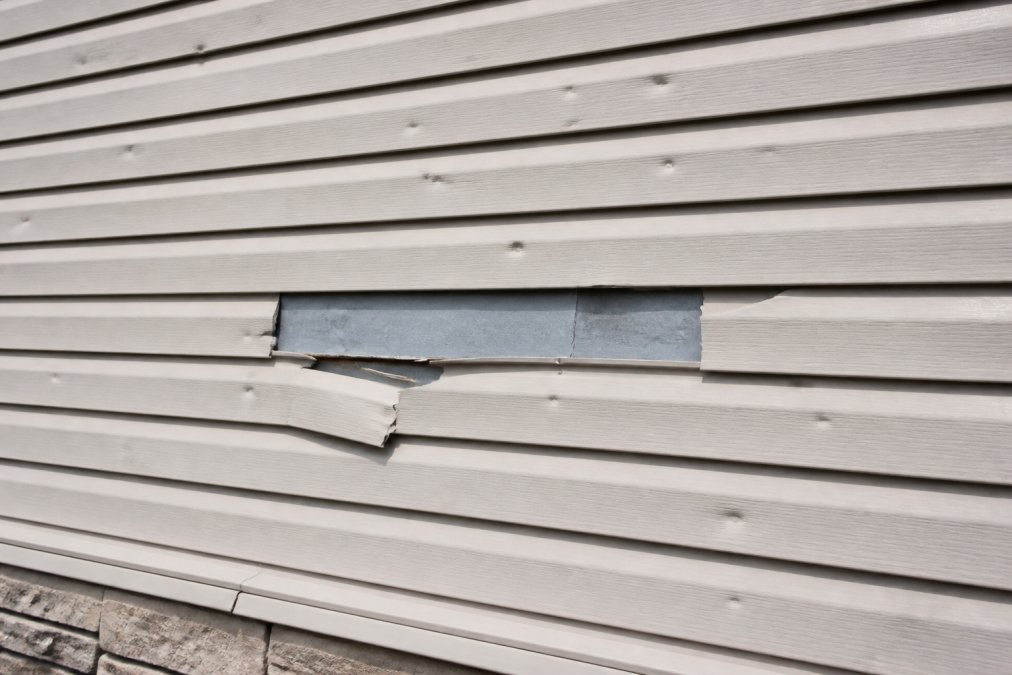
Storm damage represents one of the most common reasons homeowners file siding claims. Severe weather, sudden windstorms, heavy downpours, or unexpected temperature fluctuations, typically qualifies for coverage because these events are beyond your control and occur suddenly rather than developing over time. A sudden hailstorm that cracks siding panels or a tree branch breaking during a storm and damaging your siding both fall within covered territory. The critical factor is that the event must be sudden and unexpected; gradual damage from repeated weather exposure does not qualify.
When documenting storm damage, timing matters significantly. Report the damage to your insurer as soon as possible after the event; delayed reporting can raise questions about whether damage occurred during the covered event or developed afterward through neglect.
Wind and Hail Damage
Wind damage represents a substantial portion of siding claims. High winds can loosen panels, tear them from the structure, or create gaps allowing water infiltration. Most policies cover wind damage up to a certain threshold, often defined by wind speed or storm classification.
Hail damage follows similar patterns. When hail strikes siding, it creates dents, cracks, or punctures depending on hail size and material. All siding types are typically covered if damage meets your policy’s requirements.
The challenge arises when determining causation. If your siding was already weakened by age or poor maintenance, your insurer may argue that wind or hail simply exposed existing problems rather than causing new damage. Professional documentation, an adjuster’s report or independent inspection, can establish that damage resulted directly from the weather event, not from pre-existing conditions.
Impact Damage
Impact damage from flying debris, fallen objects, or direct strikes generally qualifies for coverage. A tree branch striking your siding, debris from a neighboring property, or similar events represent impact incidents that insurers typically cover.
The distinction hinges on causation. If a tree falls on your house during a storm, that’s covered. If the same tree falls during calm weather because it was diseased and poorly maintained on your property, coverage becomes questionable. Your insurer investigates whether the impact resulted from a sudden event or from negligence on your part.
What Homeowners Insurance Excludes
Understanding exclusions is equally important as knowing what your policy covers. Most claim denials stem from homeowners misunderstanding exclusions rather than from fraudulent claims or technical violations.
Wear and Tear Versus Covered Damage
Wear and tear, gradual deterioration of materials over time, is never covered by homeowners insurance. Siding naturally ages, fades, and weakens. If your siding reached the end of its useful life and began failing, your insurer will deny the claim.
Confusion arises when wear and tear overlap with sudden damage. Suppose aging, brittle siding failed during a moderate windstorm. Your insurer may argue that the siding would not have failed if properly maintained, and therefore damage resulted from wear and tear rather than the covered peril. To strengthen your position, document your maintenance history with inspection records, repairs, and professional assessments. If you can demonstrate reasonable maintenance and sudden damage despite proper care, you have a stronger claim.
Age and Maintenance Issues
Insurance companies depreciate siding based on age. Newer siding receives full replacement value coverage, while older siding is subject to depreciation. A 15-year-old siding may be depreciated by 40-50% depending on its expected lifespan and your policy terms.
Maintenance issues compound the age problem. If your siding shows signs of neglect, cracked caulking, missing sealant, visible rot, or loose panels, your insurer will argue that damage resulted from poor upkeep rather than a covered peril. Regular maintenance demonstrates reasonable protection of your investment. Caulking deteriorates and needs replacement every 5-7 years. Sealants break down. Fasteners loosen. If you’ve ignored these tasks and then file a claim, your insurer has grounds to deny it based on negligence.
How to File a Siding Insurance Claim
Filing a successful siding claim requires organization, documentation, and clear communication with your insurer.
Step 1: Document the Damage
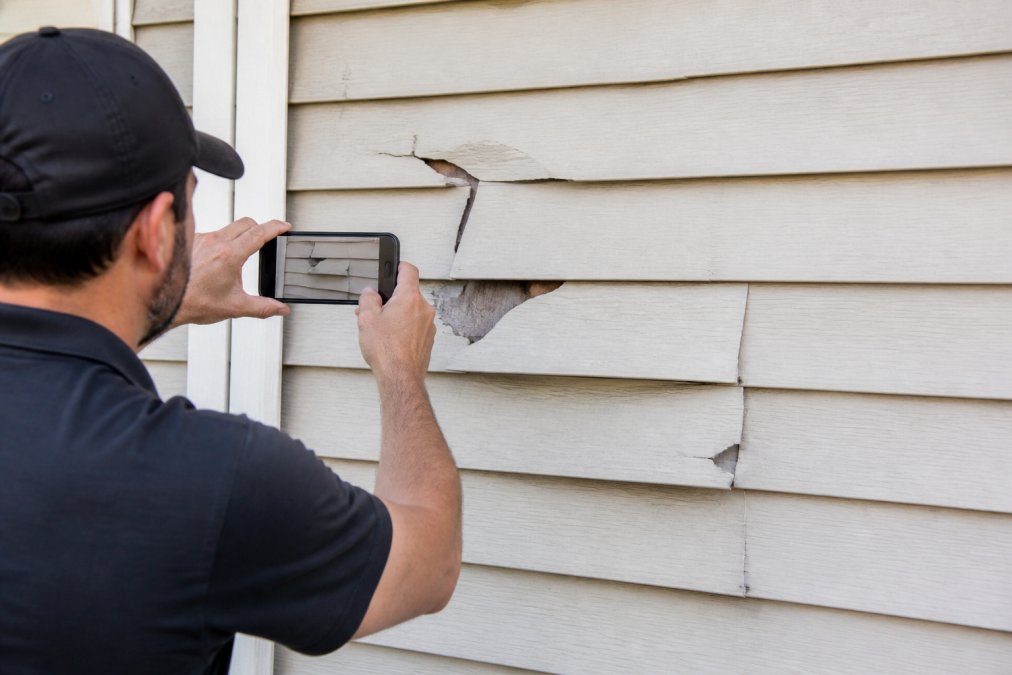
Photograph and video all visible damage using natural daylight. Capture wide shots showing overall damage patterns and close-ups revealing specific details. Document the date and time of the damage-causing event if possible, note weather conditions, and check weather records to confirm the event occurred.
Create a written description including the incident date, weather conditions, what you observed, and when you first noticed damage. Preserve any debris or damaged materials if safely possible; physical evidence strengthens your claim significantly.
Step 2: Review Your Policy and Contact Your Insurer
Before contacting your insurance company, review your policy’s coverage section and exclusions. Understand your deductible amount, any coverage limits specific to siding, and what perils your policy covers.
Contact your insurance company promptly. Most policies require notification within 30-60 days. Delaying notification weakens your claim and may provide grounds for denial. Have your policy number ready and provide a clear, factual description of the damage. Document all communication, note the date, time, representative name, and information provided. Keep copies of written follow-ups.
Step 3: Schedule an Adjuster Inspection
Your insurance company will assign an adjuster to inspect the damage. The adjuster’s report determines whether your claim is approved and influences the settlement amount. Ensure the adjuster can access the damaged area safely.
Gather your documentation, photographs, written descriptions, maintenance records, and any professional assessments. Be present during the inspection, point out all damage areas, and explain what happened. Stick to facts you observed directly. The adjuster may recommend obtaining repair estimates from contractors; obtain multiple estimates from reputable companies. DGK Home Solutions provides detailed damage assessments and repair estimates that many homeowners include with their claims.
Step 4: Submit Your Claim and Supporting Evidence
After the adjuster completes their inspection, submit all supporting documentation to your insurer: the adjuster’s report, photographs, contractor estimates, maintenance records, and written descriptions.
If your claim is approved, your insurer will issue a settlement check reflecting replacement cost minus your deductible and any depreciation. If your claim is denied, your insurer must provide a written explanation. Review the denial letter carefully; if you disagree, you have options for appeal or dispute resolution outlined in your policy.
Siding Damage Insurance Claim Denial Reasons
Understanding why claims get denied helps you avoid common pitfalls and strengthen your claim from the start.
Deductible Exceeds Damage Cost
This occurs when repair costs fall below your deductible amount. If your deductible is $1,000 and repairs cost $800, your insurer won’t pay anything. Understanding your deductible before damage occurs is important. If you have a high deductible and live in an area prone to weather events, consider whether premium savings justify the risk.
When multiple covered losses occur, some policies allow combining claims under a single deductible. If a storm damages both roof and siding, you might file one claim covering both damages, applying your deductible once. Review your policy language or ask your insurer about this possibility.
Insufficient Maintenance Documentation
Insurers frequently deny claims based on evidence of poor maintenance. If your siding shows signs of neglect, failed caulking, missing sealant, visible rot, or loose fasteners, your insurer will argue that damage resulted from inadequate upkeep rather than a covered peril.
Keep records of inspections, repairs, and professional assessments. Take photos of your siding periodically to establish its condition over time. If you later file a claim, these photos demonstrate reasonable maintenance and that damage occurred suddenly rather than developing gradually through neglect.
Pre-Existing Damage or Excluded Causes
Insurers deny claims when damage existed before the claimed incident or when the damage cause falls outside covered perils. Some damage causes are explicitly excluded from coverage, damage from settling or foundation movement, for example, is typically excluded because it’s a structural issue rather than a sudden event. Review your exclusions section carefully to understand what your policy doesn’t cover.
Matching Siding Laws in Ohio
Ohio homeowners should understand state-specific regulations affecting siding claims and replacements. Ohio requires insurance companies to handle claims fairly and in good faith. If your insurer denies a claim without reasonable justification, you can file a complaint with the Ohio Department of Insurance, which investigates and can compel insurers to reconsider unjustified denials.
When replacing siding in Ohio, building codes apply based on your local jurisdiction. Liberty Twp and surrounding areas in the Greater Cincinnati region follow specific building standards for exterior materials and installation. Professional contractors like DGK Home Solutions understand these local requirements and ensure replacements meet code. Some Ohio municipalities require permits for siding replacement; check with your local building department before starting repairs.
Getting Professional Help with Your Claim
Navigating insurance claims successfully often requires professional guidance. A contractor like DGK Home Solutions provides essential support by documenting damage thoroughly, providing detailed repair estimates, and explaining repair requirements to your insurer. Experienced contractors understand what adjusters look for and present information in formats insurers recognize.
If your claim is denied and you believe the denial is unjustified, a public adjuster can investigate and advocate on your behalf. For disputes involving significant amounts or complex policy language, an insurance attorney can review your policy, assess your claim’s merit, and represent you in negotiations or litigation if necessary.
Filing a siding insurance claim successfully requires understanding your coverage, documenting damage thoroughly, and communicating clearly with your insurer. The difference between claim approval and denial often comes down to preparation and attention to detail. DGK Home Solutions helps homeowners throughout the Greater Cincinnati area document damage, obtain repair estimates, and navigate the claims process. Contact DGK Home Solutions for a free assessment of your siding damage and guidance on your insurance claim.
Frequently Asked Questions
Does homeowners insurance cover siding damaged by wind or hail?
Yes, most homeowners insurance policies cover siding damage from wind and hail because these are sudden, external events beyond your control. However, coverage depends on your specific policy terms and whether the damage meets your deductible. Some policies have separate deductibles for wind or hail damage. Review your policy details or contact your insurer to confirm your coverage limits and any exclusions that may apply to your situation.
How do I file a siding insurance claim in Ohio?
Start by documenting all visible damage with photos and videos from multiple angles. Contact your insurance company within the timeframe specified in your policy, typically within 30 days of the damage. Provide your policy number, the date of the incident, and a description of what caused the damage. Request an adjuster inspection, and keep records of all communications. Submit any requested documentation promptly. If you hire a contractor, get a detailed estimate to support your claim amount.
Will insurance pay for matching siding if only one side of my house is damaged?
Insurance typically covers the cost to repair or replace only the damaged section of siding, not the entire exterior. However, if replacement siding doesn't match your existing material or color, you may face coverage limitations. Some policies include provisions for matching materials under Ohio's replacement cost coverage rules. Your adjuster will assess whether matching is necessary and whether it's covered under your policy. Discuss this directly with your insurer during the claims process.
What's the difference between wear and tear and storm damage for siding?
Wear and tear refers to gradual deterioration from age, weather exposure, and normal use over time. Insurance does not cover wear and tear. Storm damage is sudden, unexpected damage from a specific weather event like hail, high winds, or falling trees. To qualify as a covered claim, the damage must result from a sudden, accidental event, not from poor maintenance or aging materials. Insurers examine whether the damage pattern matches the claimed cause.
This article was written using GrandRanker