Table of Contents
- Why Homeowners Are Seeking Siding Alternatives
- Top Siding Alternatives for Better Curb Appeal
- Cost of Siding Replacement in Cincinnati
- Low Maintenance Siding Options
- Siding Repair vs Replacement
- Frequently Asked Questions
Last Updated: September 15, 2026
Why Homeowners Are Seeking Siding Alternatives
Homeowners across the Greater Cincinnati area are actively hunting for alternatives to expensive siding for better curb appeal, and for good reason. Siding is one of the largest exterior investments a property owner makes, and traditional premium options have pushed many budgets past the breaking point. This guide from DGK Home Solutions breaks down the real alternatives, what each one costs you in money and maintenance, and which materials actually hold up in Liberty Twp weather. Beyond replacing materials, simple surface restoration remains a highly effective method for improving curb appeal without the expense of a full renovation.
The core tension is simple: the materials with the best curb appeal often carry the steepest price tags and the heaviest maintenance loads. Fiber cement and cedar look stunning, but they demand professional installation and, in cedar’s case, regular staining. Vinyl and aluminum cost less upfront but come with their own trade-offs. Finding the right balance between appearance, durability, and long-term cost is the entire game.
What most guides miss is that the “cheapest” siding is rarely the least expensive over time. A material that needs repainting every few years can outspend a pricier option that holds its finish for decades.
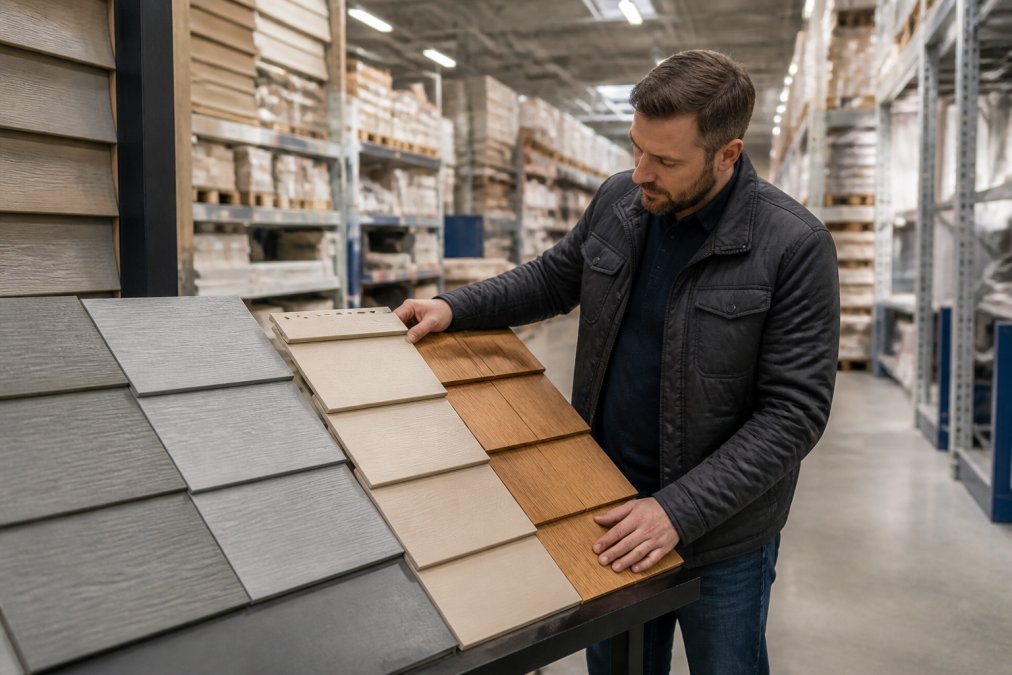
Top Siding Alternatives for Better Curb Appeal
The best siding alternatives balance upfront cost, maintenance demands, and visual impact. Here are nine options worth considering, each with distinct strengths depending on your priorities.
Below is a quick comparison of how these alternatives stack up on cost and upkeep.
| Siding Type | Relative Cost | Maintenance Level | Best For |
|---|---|---|---|
| Fiber Cement (James Hardie) | High | Low | Long-term durability |
| Engineered Wood (LP SmartSide) | Medium-High | Low | Wood look, lighter weight |
| Aluminum (Alside) | Medium | Low | Modern, fire-resistant homes |
| Vinyl (Royal Building Products) | Low | Very Low | Tight budgets |
| Steel | High | Very Low | Severe weather areas |
| Cedar Wood | Medium-High | High | Natural, traditional beauty |
| Stone Veneer | Medium-High | Low | Accent walls, high impact |
| Composite | Medium-High | Very Low | Modern performance |
| Stucco | Medium | Low | Mediterranean styles |
James Hardie Fiber Cement Siding
Fiber cement is a durable composite made from cement, sand, and cellulose fibers, engineered to mimic wood while resisting rot, moisture, and fire. James Hardie builds its product for climate-specific performance, which matters in a region that swings from humid summers to freezing winters.
The trade-off is weight. Fiber cement requires professional installation because the material is heavy and unforgiving to handle. For homeowners who plan to stay put for decades, that upfront investment often pays off through a long lifespan and minimal upkeep.
LP SmartSide Engineered Wood Siding
LP SmartSide is an engineered wood product treated with a proprietary SmartGuard process to resist fungal decay and termite damage. It delivers the warmth of natural wood without the maintenance burden.
A common mistake is skipping proper sealing on cut edges. That step is required to maintain the warranty, and installers who rush it leave homeowners exposed. Handled correctly, LP SmartSide resists impact and weather well, and its lighter weight makes installation faster than fiber cement.
Alside Aluminum Siding
Aluminum siding offers a clean, modern look with baked-on enamel finishes that resist moisture and rot. It is fire-resistant, which appeals to homeowners in areas with wildfire concerns or strict building codes.
The drawback is denting. Hail and flying debris can leave marks that are hard to repair invisibly. For modern architectural styles, though, nothing else delivers that sleek profile at a comparable price point.
Royal Building Products Vinyl Siding
Vinyl remains the most affordable siding option and the easiest to maintain. Royal Building Products offers many colors and profiles, and cleaning requires nothing more than soap and water.
Where it falls short: vinyl can crack in extreme cold and melt near heat sources like grill stations or reflective windows (Effects of Weathering and Formulation on the Properties of Vinyl Siding). In practice, this means placement matters. Keep vinyl away from high-heat zones and it performs reliably for years.
Steel Siding
Steel siding is heavy-duty metal built for superior strength and longevity. It resists hail and debris impact, holds its fade-resistant coating, and comes in seamless options for a clean finish.
The higher material cost than vinyl or aluminum is the main barrier. For homes in areas prone to severe weather, though, steel’s durability can justify the premium over the life of the installation.
Cedar Wood Siding
Cedar is natural wood known for its beauty and inherent resistance to decay and insects. It can be stained or painted to match any aesthetic, and it is an environmentally sustainable choice.
The catch is maintenance. Cedar requires regular staining and sealing to preserve its appearance and durability. Homeowners who want the look but not the upkeep should weigh engineered wood as an alternative.
Manufactured Stone Veneer
Manufactured stone veneer delivers the look of natural stone at a fraction of the cost and weight. It can be installed over existing exterior surfaces, which makes it a practical choice for accent walls and entryways.
Installation is labor-intensive, so the savings come from materials rather than labor. Used strategically on a front facade, it delivers outsized curb appeal for the investment.
Composite Siding
Composite siding blends polymers and minerals for high durability and low maintenance. It resists warping and fading and is engineered for extreme weather.
The limitation is installer availability. Specialized composite products require experienced hands, and not every contractor works with them. Check credentials before committing.
Stucco
Stucco is a cement-based or synthetic finish that creates a smooth, seamless surface with excellent fire resistance and good insulation properties (nrc.gov). It suits Southwestern and Mediterranean-style homes particularly well.
Stucco can crack if the foundation shifts, so soil stability and drainage matter. Applied over a sound base, it delivers a very long lifespan with minimal maintenance.
Cost of Siding Replacement in Cincinnati
The cost of siding replacement in Cincinnati depends on material choice, home size, and labor, so no single figure applies to every project. Rather than quote a number that may not reflect your property, DGK Home Solutions provides a free assessment that accounts for your home’s specific dimensions, existing siding condition, and material preferences.
Three factors drive most of the variation:
- Material selection, vinyl sits at the low end, while fiber cement, steel, and stone veneer climb higher
- Square footage, larger homes and complex rooflines increase both material and labor
- Removal and disposal, tearing off old siding adds cost that overlay installations avoid
For an accurate figure, request a written estimate rather than relying on regional averages.
Low Maintenance Siding Options
Low maintenance siding options eliminate repainting, resealing, and frequent repairs, freeing homeowners from recurring upkeep costs. The best performers in this category are vinyl, steel, aluminum, composite, and fiber cement.
Vinyl leads on cost and simplicity. Steel and aluminum resist dents from weather and never need paint. Composite and fiber cement hold their factory finishes for years with only occasional washing.
Cedar and natural wood sit at the opposite end. They reward homeowners willing to maintain them but punish neglect with rot and fading. If low maintenance is your priority, skip wood entirely and choose an engineered or metal product.
Siding Repair vs Replacement
Siding repair vs replacement comes down to extent of damage, age of the material, and whether matching siding is still available. Small, isolated damage on relatively new siding usually warrants repair. Widespread cracking, warping, or moisture intrusion points toward replacement.
A practical rule: if damage covers more than a small section or the siding is nearing the end of its service life, replacement often costs less over the next decade than repeated repairs. Repairing one area while the rest fails is a common mistake that wastes money.
For storm-damaged siding, an honest assessment matters more than a quick sales pitch. DGK Home Solutions evaluates whether repair or replacement makes sense for your specific situation and can assist with insurance claims when storm damage is involved.
Siding decisions rarely feel urgent until a storm, a sale, or a visible failure forces the issue. When that moment arrives, working with a team that gives you a straight answer matters more than a lowball quote. DGK Home Solutions brings over 20 years of experience to siding installation and repair across the Greater Cincinnati area, with honest assessments, top-quality materials, and a stress-free process from start to finish. Get started with DGK Home Solutions and request your free quote today.
Frequently Asked Questions
What is the most cost-effective siding for a house?
Vinyl siding is generally the most cost-effective option upfront, with low maintenance costs. However, fiber cement and engineered wood offer better durability and may save money over time. For a precise quote on your home, contact DGK Home Solutions for a free assessment.
Can I improve curb appeal without replacing all my siding?
Yes. You can update trim, shutters, and entryway features, or add stone veneer accents. Mixing materials, such as combining fiber cement with stone, creates visual interest. A siding professional can recommend targeted upgrades that boost curb appeal without a full replacement.
Is fiber cement siding more expensive than vinyl?
Fiber cement typically costs more than vinyl upfront due to material and installation complexity. However, its longer lifespan and lower maintenance can make it more economical over time. For a comparison tailored to your home, request a free quote from DGK Home Solutions.
How does local climate in Liberty Twp affect siding material choice?
Liberty Twp experiences freeze-thaw cycles, humidity, and storms. Fiber cement and engineered wood resist moisture and temperature swings well. Vinyl can crack in extreme cold, while aluminum dents easily. Choosing a durable material suited to local weather helps avoid premature repairs.
Does replacing siding increase home value in Ohio?
Replacing siding can increase home value by improving curb appeal and energy efficiency. Fiber cement and engineered wood often provide the best return.