Table of Contents
- How to Find Roofing Companies Close to Me
- How to Choose a Roofing Contractor
- Signs of Roof Damage You Should Know
- Roof Repair vs Replacement Guide
- What to Expect During the Roofing Process
- Insurance Claims and Storm Damage Assistance
- Questions to Ask Before Hiring
- Frequently Asked Questions
Last Updated: September 25, 2026
How to Find Roofing Companies Close to Me
Finding the right roofing companies close to me requires more than a quick Google search. You need contractors who understand your specific situation, whether you’re dealing with storm damage, aging shingles, or preparing your home for sale. At DGK Home Solutions, we’ve helped hundreds of homeowners navigate this process with clarity and confidence.
The challenge most homeowners face is distinguishing between contractors who’ll rush through the job and those who’ll take time to assess your actual needs. A contractor who shows up, quotes a price, and disappears isn’t the one you want handling your roof. You need someone who communicates clearly, explains what they find, and stands behind their work.
Start your search by asking for referrals from neighbors, friends, and family who’ve had recent roofing work done. Personal recommendations carry weight because they come from people who’ve already experienced a contractor’s process firsthand. When someone tells you a roofing company was easy to work with and delivered quality results, that’s invaluable information you won’t find in online reviews alone.
Next, search online for roofing companies close to me in your area. Look for contractors with strong local presence, established track records, and transparent communication about their process. Read reviews carefully, but focus on recent ones that describe the actual experience, not just star ratings.
How to Choose a Roofing Contractor
Choosing a roofing contractor is one of the most important decisions you’ll make for your home’s protection. The right contractor will assess your roof honestly, explain your options without pressure, and deliver quality work that lasts. The wrong one might cut corners, miss hidden damage, or leave you with problems months after they’re gone.
Verify Licensing and Insurance
Before hiring any roofing contractor, verify they’re properly licensed and insured. This isn’t optional, it’s essential protection for you and your home.
A licensed contractor has passed exams demonstrating knowledge of building codes, safety practices, and industry standards. Ask to see their license and verify it’s current by checking with the appropriate licensing authority.
Insurance is equally critical. Your contractor should carry general liability insurance and workers’ compensation coverage. Liability insurance protects you if the contractor damages your property during the job. Workers’ compensation covers injuries to their crew. If a worker gets hurt on your roof and the contractor lacks coverage, you could be held liable for medical costs and lost wages.
Request proof of insurance before work begins. A reputable contractor will provide this without hesitation. If they resist or claim they don’t need it, move on to the next option.
Review Customer References and Testimonials
Real customer feedback reveals how a contractor actually works. Don’t settle for online reviews alone, ask the contractor directly for references you can call.
When you contact references, ask specific questions about their experience. Did the contractor show up on time? How did they handle unexpected issues? Was communication clear throughout the project? Would they hire this contractor again? Listen for patterns in their responses.
At DGK Home Solutions, we’ve worked with homeowners facing all kinds of roof situations, from simple repairs to complete replacements after storm damage. Our customers consistently mention that our team takes time to explain what they find and what needs to be done, rather than pushing the most expensive option.
Online reviews matter too, but read them critically. Look for detailed accounts of actual experiences rather than vague praise or complaints. A review that says “Great company, would use again” is less helpful than one describing specific interactions and outcomes.
Get Multiple Estimates and Compare
Never hire the first contractor you contact. Get at least three estimates from different roofing companies close to me to understand the market and spot red flags.
When contractors assess your roof, they should spend time examining it thoroughly. A contractor who spends 10 minutes on your roof and quotes a price is likely missing important details. A thorough inspection takes 30-45 minutes minimum and should include checking the interior for signs of water damage, evaluating the condition of shingles or other roofing materials, and assessing the structure’s integrity.
Compare estimates side by side. Do they recommend the same scope of work, or do they differ significantly? If one contractor recommends a full replacement while others suggest repairs, ask why. Understanding these differences helps you make an informed decision.
Watch out for estimates that are significantly lower than others. The cheapest option often means lower-quality materials, rushed work, or both. Conversely, the most expensive estimate isn’t automatically the best. Look for contractors whose pricing is reasonable and whose recommendations make sense for your specific situation.
Signs of Roof Damage You Should Know
Roof damage often develops gradually, and early detection can save you thousands in repairs. Knowing what to look for helps you catch problems before they become expensive emergencies.
Interior Warning Signs
Water stains on your ceiling or walls are the most obvious sign of roof trouble. If you notice brown or yellow discoloration, especially after rain or during humid weather, water is getting through your roof. Don’t ignore these stains, they indicate active or recent leaks.
Mold or mildew growth in your attic or upper floors suggests moisture problems. Mold thrives in damp environments and can develop quickly once water enters your home. Beyond the cosmetic issue, mold poses health risks and indicates your roof isn’t doing its job.
Sagging ceilings or visible water damage in your attic are serious red flags. A sagging ceiling means water has accumulated and the structural integrity is compromised. This requires immediate professional attention.
Peeling paint or wallpaper in upper rooms often results from moisture problems originating in the roof. If you’re dealing with persistent peeling despite repainting, the root cause is likely above.
Exterior Warning Signs
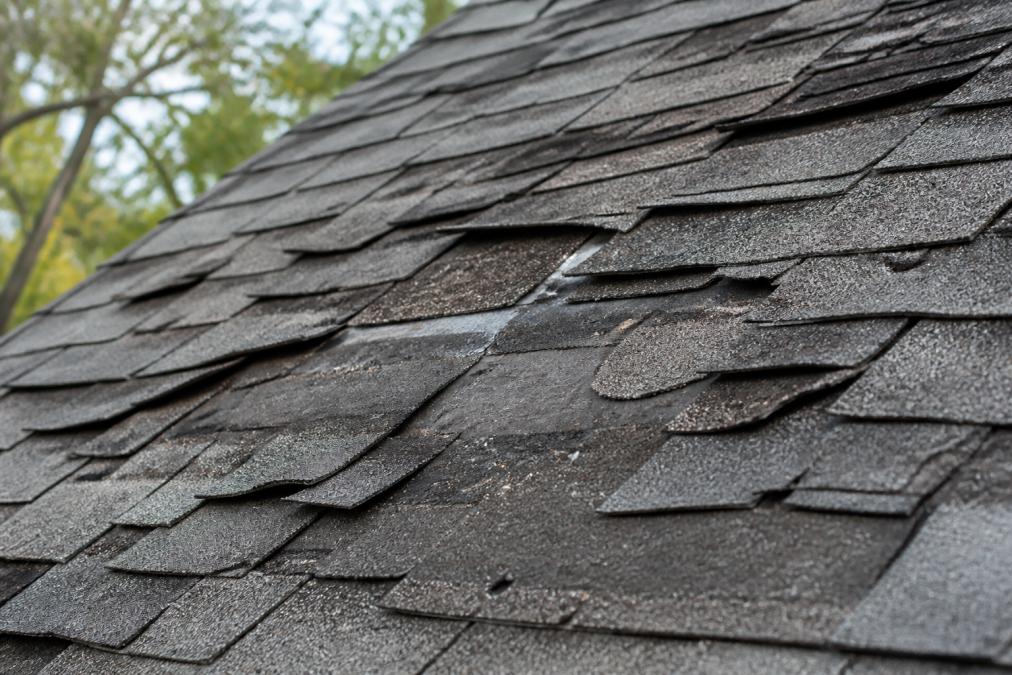
Missing or damaged shingles are visible signs that your roof is deteriorating. Shingles protect the underlying layers from weather exposure. Once they’re compromised, water can penetrate quickly. Look for shingles that are curled, cracked, or completely missing.
Granule loss, where the textured surface of shingles washes away, indicates aging. You might notice granules accumulating in your gutters or downspouts. This is a normal part of aging, but significant granule loss means your shingles aren’t providing adequate protection.
Moss or algae growth on your roof suggests moisture retention, which accelerates deterioration. While moss doesn’t immediately damage shingles, it indicates conditions that promote decay.
Flashing, the metal strips around chimneys, vents, and valleys, can separate or corrode over time. Damaged flashing is a common source of leaks. If you notice gaps or rust around these areas, water can easily penetrate.
Roof Repair vs Replacement Guide
Understanding when to repair versus replace your roof prevents wasted money and protects your home effectively.
When Repair Is the Right Choice
If your roof is less than 15 years old and damage is localized to one area, repair is usually the right move. A few missing shingles, a small leak around flashing, or damage from a fallen branch are situations where repair makes sense. Catching these issues early prevents further structural decay, so homeowners should remain vigilant for subtle signs of roof damage that often precede more extensive failures.
Repair costs are significantly lower than replacement, and if your roof is structurally sound otherwise, there’s no reason to replace it. A skilled contractor can patch problem areas and extend your roof’s life.
Storm damage sometimes affects only part of your roof. Hail might dent shingles in one section while leaving the rest intact. High winds might lift shingles on the side facing the wind. In these cases, repairing the damaged section is cost-effective and addresses the problem thoroughly.
When Replacement Is Necessary
If your roof is approaching or past 20 years old, replacement is typically the better choice than repeated repairs. Older roofs become increasingly vulnerable, and patching one problem often leads to another shortly after.
Widespread damage across multiple areas indicates your roof is failing overall. If more than 30 percent of your roof shows damage, replacement is more economical than repair. Multiple problem areas suggest the underlying structure is aging and will continue deteriorating.
Structural damage, sagging, rot in the decking, or compromised framing, requires replacement.
What to Expect During the Roofing Process
Understanding the timeline and process reduces stress and helps you prepare for the work ahead.
Insurance Claims and Storm Damage Assistance
Storm damage often qualifies for insurance coverage, but navigating the claims process is challenging without help. Many homeowners don’t know where to start or what their policy covers.
Questions to Ask Before Hiring
Before you commit to any roofing contractor, ask these essential questions to ensure you’re making the right choice.
Frequently Asked Questions
How do I verify if a roofing contractor is licensed in Ohio?
Check the contractor’s license with the Ohio Construction Industry Licensing Board (OCILB). Ask for their license number and verify it directly on the state website. Request proof of workers’ compensation insurance and general liability coverage. A legitimate roofing company will provide these documents without hesitation. Always confirm licensing before signing any contract.
What are the signs that I need a roof replacement versus a repair?
You likely need replacement if your roof is over 20 years old, has multiple damaged areas, shows widespread missing shingles, or has structural sagging. Repairs work for isolated damage, small leaks, or roofs less than 15 years old with only minor issues. A professional inspection can determine which option makes financial sense. Most contractors will give an honest assessment rather than upselling unnecessary work.
How can roofing companies help with insurance claims?
Experienced contractors document damage with photos and detailed reports that support your claim. They communicate directly with your insurance adjuster, explain damage findings in technical terms, and help ensure the estimate covers necessary repairs. They can also identify hidden damage an adjuster might miss. Choose a contractor with a track record of successful claims assistance to reduce stress and ensure fair compensation.
What should I look for in a roofing estimate?
A detailed estimate should include material specifications, labor costs broken down by phase, timeline, warranty information, and cleanup plans. It should specify the type and grade of roofing materials, whether old materials will be removed or layered, and any additional work discovered during inspection. Compare estimates from multiple contractors, but prioritize quality and experience over the lowest price. Ask what’s included if prices vary significantly between quotes.