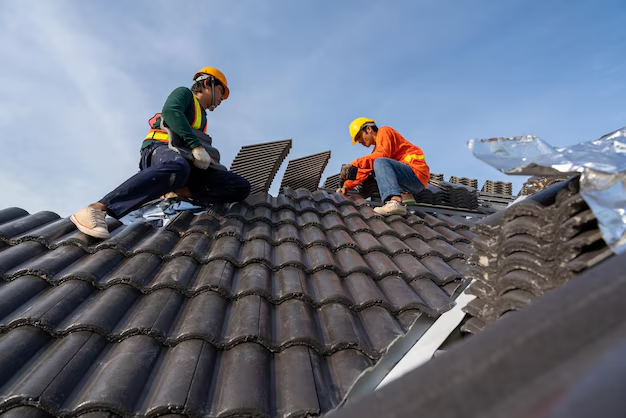
Who Offers Reliable Residential Roofing in Indian Hill, OH?
Need residential roofing services in Indian Hill Ohio? Learn about roofing materials, costs, what to look for, and how to choose the right local contractor.
Most homeowners in Indian Hill don’t spend a lot of time thinking about their roof. It’s up there, it’s doing its job, and life moves on. That’s exactly how it should be — until the day it stops doing its job and suddenly the roof is all you can think about.
A ceiling stain after a heavy rain. Shingles curling at the edges on a sunny afternoon. A gutter that filled with dark granules after the last storm. These are the kinds of signs that bring people to a search bar looking for help. If that’s what brought you here, good — you’re in the right place at the right time.
Indian Hill is one of the more affluent communities in the Cincinnati metro area, and the homes here reflect that. They’re substantial properties with mature landscaping, and most of them have roofs that need to match that standard. A patch job that might be acceptable on a smaller home doesn’t cut it in this neighborhood. At DGK Home Solutions LLC, we do roofing work for homeowners across the area and we know that getting it right here matters more than just the technical basics. This guide walks you through what you actually need to know.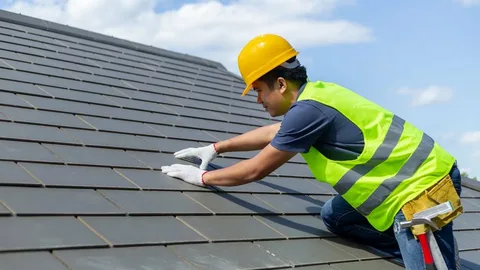
What Ohio Weather Does to Roofs Over Time
Hamilton County gets weather from a lot of directions. Cold Canadian air in winter, warm Gulf moisture in summer, and storm systems that roll through in spring and fall with enough force to do real damage. Your roof handles all of that, year after year, and it adds up.
Winter is probably the hardest season on roofs in this area. Freeze-thaw cycles are rough — water gets into small cracks or under loose shingles, freezes, expands, and opens those gaps a little wider. Then it melts, more water gets in, and the cycle continues. By the time spring arrives, a roof that looked passable in October might have issues that weren’t there before.
Spring storms in the Cincinnati area regularly bring hail. Not always golf ball-sized stuff that makes news — often just small hail, half an inch or less, that hits the shingles thousands of times in a single storm and knocks loose granules that don’t come back. That granule loss shortens the life of the shingle significantly. You might not see obvious holes but the surface is compromised.
Summer UV exposure breaks things down slowly and quietly. The granule coating on asphalt shingles is partly there to block UV, and as it wears away, the asphalt underneath degrades faster. This is why granule accumulation in gutters is worth paying attention to — it’s a measure of how much protection the roof still has.
The Insurance Information Institute reports that weather-related property damage — with wind and hail leading the category — accounts for a significant majority of residential insurance claims nationally. Ohio regularly appears in the data for hail frequency, and Hamilton County is no exception. The National Roofing Contractors Association recommends checking your roof at least twice a year in climates like ours. Most homeowners check it once every few years, if that — usually after a storm prompts them to.
Roofing Options for Indian Hill Homes
The homes in Indian Hill aren’t average, and the roofing choices here reflect that. There’s a range of materials that work well in this climate, and each one has a different cost profile, lifespan, and maintenance picture.
Architectural asphalt shingles are the most common choice on Ohio homes, and a quality product in this category does a solid job. Thirty-year architectural shingles installed correctly on a properly prepared deck will hold up well through Ohio winters and hail seasons. If you’re replacing an asphalt roof, upgrading to Class 4 impact-resistant shingles is worth the modest price difference — they’re significantly tougher against hail and some insurers discount premiums for them.
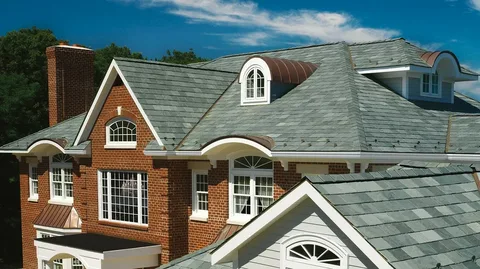
Slate roofing is common on older Indian Hill properties and it deserves respect. Natural slate lasts 75 to 150 years when properly maintained — there are slate roofs on homes in this area that are older than anyone alive. The catch is that slate repair requires a very specific skill set, and not every roofer should be touching it. If you have slate, you want someone who actually knows how to work with it.
Cedar shake was popular on many Indian Hill homes built in the mid-20th century. It looks beautiful, but Ohio’s humidity means it needs more care than it gets on most properties. Moss, rot, and splitting are common in older cedar roofs that haven’t been properly maintained. Many homeowners with aging cedar choose to replace it with a product that doesn’t demand as much attention.
Standing seam metal roofing has become more popular in the area over the past decade, especially on higher-end properties where the upfront investment is less of a barrier. Metal handles Ohio weather very well — it sheds snow cleanly, resists wind, and the lifespan runs 40 to 70 years. There’s also no granule loss, no cracking from freeze-thaw cycles. For a property that’s going to be in the family for a long time, metal often makes sense.
Synthetic roofing products — manufactured slate, synthetic shake — have gotten significantly better in recent years. They replicate the look of natural materials at a lower weight and lower cost, and they handle Ohio weather well. Worth looking at if you like the aesthetic of slate or cedar but want something less demanding.
What Goes Into a Proper Roof Job Here
Here’s what separates a roofing job that lasts from one that gives you problems in three years. It’s not just about which shingles go on top.
Tear-off matters. Installing new shingles over old ones — an overlay — saves a day of labor and cuts the price. It also skips the deck inspection entirely, adds weight to the structure, and generally produces a shorter-lived result. Ohio’s building codes allow one overlay in most cases, but two is prohibited. So you’re eventually going to need a full tear-off anyway. Might as well do it right the first time.
After the old material comes off, every section of the roof deck gets checked. The deck is the plywood or OSB sheeting under everything else. Water damage, rot, soft spots — all of it needs to come out and be replaced with solid material before anything new goes down. A roofer who installs over a soft deck is setting up a problem for whoever owns the house five years from now.
Underlayment is next. A synthetic underlayment goes over the whole deck. In Ohio, ice and water shield — a self-adhering membrane — needs to go at the eaves and in the valleys. This is the layer that stops ice dam water from getting into the wall cavity. Skipping it or using a cheaper substitute is one of the ways budget roofing jobs fail in cold climates.
Flashing gets replaced or at minimum fully inspected. Chimneys, pipe vents, skylights, valleys, any place where the roof surface meets something vertical — these are where most leaks actually come from. Proper step flashing, counter flashing, and valley flashing take time and skill. A roofer who reuses all the old flashing without checking its condition is leaving the biggest leak risks unaddressed.
What Residential Roofing Costs in Indian Hill Ohio
These are current market ranges for this area — not national averages. Prices shift with material costs, so treat this as a starting point for your budgeting conversations.
| Roofing Material | Installed Cost Per Square | Typical Lifespan | Notes |
| Architectural asphalt | $350 – $600 | 25–30 years | Standard choice, solid value |
| Class 4 impact-resistant | $500 – $750 | 30–40 years | Worth it for hail, possible ins. discount |
| Standing seam metal | $1,000 – $1,600 | 40–70 years | Premium upfront, low long-term cost |
| Natural slate | $1,500 – $3,000+ | 75–150 years | Requires specialist installation |
| Synthetic slate/shake | $600 – $1,000 | 40–50 years | Good aesthetics, less maintenance |
| Cedar shake | $700 – $1,100 | 20–30 years | Higher maintenance in Ohio climate |
Homeowners looking for best residential roofing contractors in Indian Hill Ohio should always get written estimates that break out tear-off, materials, underlayment, flashing, and cleanup as separate line items. A single number with no breakdown is hard to compare and hard to hold anyone accountable to.
How to Actually Compare Roofing Estimates
Getting three estimates is standard advice, but getting three estimates and knowing what to do with them is where most homeowners fall short.
Look at what each estimate specifies — not just the total. Does it name the shingle brand and product line? Does it say full tear-off or overlay? Does it list the underlayment type? Does it include ice and water shield? Is flashing replacement in there or just assumed from the old materials? These details matter because they’re where the difference between a $9,000 and a $13,000 estimate often lives.
Residential roofing services in Indian Hill Ohio that show up in a detailed written estimate with all of these components specified are the ones worth taking seriously. A contractor who can’t or won’t put these specifics in writing is not making it easy for you to hold them to anything.
One question worth asking every contractor: what happens if rotted decking turns up during tear-off? How is the additional work communicated and priced? A professional answers this clearly before starting. You want to know this before the crew shows up, not after they’ve already pulled half the roof off.
Permits, Licenses, and Why They Matter Here
Most residential roofing work in Indian Hill requires a building permit. The permit triggers a code inspection — which is a real benefit to you, not just bureaucracy. It means someone outside the contractor’s crew confirms the work was done correctly.
A roofer who suggests skipping permits to save time or a few hundred dollars is asking you to absorb that risk. When you sell the home or make an insurance claim, unpermitted work becomes your problem, not theirs.
Ohio requires roofing contractors to carry appropriate licensing for work above certain thresholds. Ask for that information upfront and verify it. Get insurance certificates — both general liability and workers’ compensation — directly from the insurer rather than accepting a document the contractor provides themselves.
Closing Thoughts
A roof on an Indian Hill home should do its job without asking much of you — stay watertight through Ohio’s winters, hold up through hail season, and look right on a property where appearance matters. That outcome comes from the right material choice, a contractor who actually follows through on the installation steps that matter, and a written scope that holds everyone accountable.
For any homeowner in Indian Hill thinking about roofing work — whether it’s a repair, a full replacement, or just an inspection to know where things stand — start with a detailed written estimate from a licensed contractor who can explain exactly what they’re doing and why. That conversation tells you a lot about whether you’re dealing with someone who knows their trade.
DGK Home Solutions LLC works with homeowners across Indian Hill and the surrounding Hamilton County area on roofing projects of all types. Give us a call for a free estimate and an honest assessment of what your roof actually needs.
FAQs
How do I know if my Indian Hill Ohio roof needs repair or full replacement? Age matters a lot here. If the roof is under 15 years old and the damage is limited to a specific area — a few shingles, one section of flashing, one leak point — repair is almost always the better financial call. If the roof is 20 years or older and you’re seeing widespread granule loss, shingles cracking or curling across multiple sections, or you’ve had the same area patched more than once in recent years, replacement is probably the smarter direction. The honest answer is that a good contractor will tell you which situation you’re actually in — not just default to the higher-revenue option. Get an inspection from someone who’ll walk the roof with you and show you what they’re seeing.
Does homeowner’s insurance cover roof damage in Indian Hill Ohio? Standard policies cover sudden accidental damage — wind, hail, fire, falling trees. What they don’t cover is gradual deterioration, wear and tear, or damage from maintenance that was deferred for years. After a storm, document everything from the ground before anyone touches the roof. Call your insurer to start the claim process. Having your contractor present when the adjuster does their inspection is often worth arranging — they can point out damage the adjuster might otherwise miss. Keep every estimate, invoice, and communication throughout the process.
What roofing material works best for Indian Hill Ohio homes? For most homes, a quality 30-year architectural shingle is the right balance of performance and cost. If hail is a concern — and in Hamilton County it should be — stepping up to Class 4 impact-resistant shingles makes sense given the potential insurance premium benefit. For properties where aesthetics and long-term value are the priority, standing seam metal is worth serious consideration — it handles Ohio’s weather better than any shingle product and lasts long enough that many homeowners never need to replace it again. If you have a historic property with natural slate, that’s a specialist conversation. The right answer really does depend on the specific home, the budget, and how long you’re planning to stay.
How long does a residential roof replacement take in Indian Hill Ohio? Most standard replacements run one to two days of on-site work. Larger homes, steep pitches, or roofs with a lot of dormers and valleys take longer. The full timeline from first call to completed job usually runs about two to three weeks once you factor in scheduling, permit processing, and material ordering. Spring and summer are the busiest times for roofers in the Cincinnati area — if you know a roof replacement is coming, getting on a contractor’s schedule before you’re forced into it by an active leak is worth doing. Emergency repairs are always available if you’re dealing with water getting in, but the full job will still get scheduled once the immediate problem is stabilized.
What should I look for on my Indian Hill Ohio roof after a hail storm? Start from the ground — walk around the house and look for obvious missing shingles or dark spots where the underlayment is showing through. Check your gutters and downspouts for granule buildup — that sandy dark material is your shingle surface shedding, and heavy accumulation after a storm is a sign of impact damage even when shingles look intact from below. Soft metal surfaces like gutter edges, downspout heads, and AC unit fins can show visible dents from hail that help you gauge how hard the storm hit. From inside, check the attic with a flashlight for any daylight showing through or wet spots on the insulation. If you find any of these, schedule a professional inspection before making an insurance claim — you want an accurate picture of what actually happened.