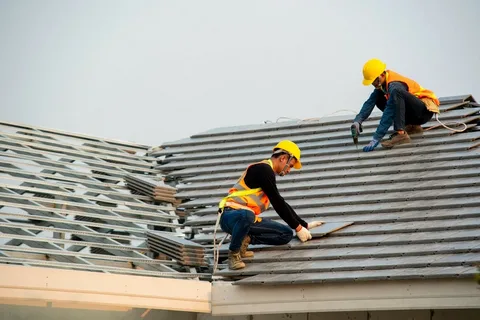
Looking for Experienced Roofing Contractors in Greenfield, IN?
Need roofing contractors in Greenfield Indiana? Learn about roofing types, costs, storm damage tips, and how to find a reliable local contractor you can trust.
Nobody wakes up excited about their roof. It’s not like planning a kitchen remodel or adding a deck — roofing is one of those things that stays completely off the radar until something goes wrong. And by the time most homeowners in Greenfield realize something is wrong, the problem has usually been sitting there for a while.
Maybe you saw a shingle in the driveway after last week’s storm. Maybe your neighbor mentioned their ceiling got wet and now you’re wondering about yours. Or maybe your roof is just old and you’ve been putting off doing anything about it because you’re not sure where to start. Any of those reasons is a perfectly good reason to learn a little more before you pick up the phone.
We put this guide together because we talk to homeowners every week who feel like they’re going into the contractor conversation at a disadvantage. That doesn’t need to be you. At DGK Home Solutions LLC, we do roofing work across the Greenfield area and we’d rather you come to us informed than confused. So here’s what we’d want you to know.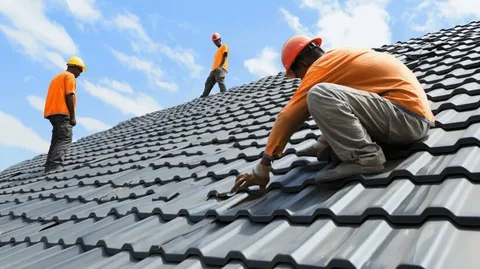
What Indiana Weather Actually Does to Your Roof Over Time
Living in central Indiana means your roof goes through a lot. It’s not just one type of weather stress — it’s four different seasons worth of punishment happening back to back, year after year.
Spring around Hancock County can turn rough fast. We get hail that comes out of nowhere in April and May. We get wind that catches the edge of older shingles and lifts them just enough to let water underneath. We get heavy rain that finds every small gap your roof has developed over winter. By June, a lot of roofs are showing damage that wasn’t there in October.
Summer is quieter in terms of storms, but the sun does its own kind of damage. UV rays break down the granule coating on asphalt shingles steadily over time. You might not notice until you look at what’s collecting in your gutters — that dark, sand-like material is your shingles wearing out. It’s normal, but it tells you something about where your roof is in its lifespan.
Fall feels harmless but isn’t. Leaves pile up on roof surfaces and in valleys, trapping moisture against the material for weeks at a time. Branches come down in October windstorms. And the temperature swings between warm afternoons and cold nights put stress on any material that’s already been weakened by summer.
Winter is when a lot of Greenfield homeowners discover they had a roof problem they didn’t know about. Ice dams are the big one. Warm air from the living space rises into the attic, warms the roof deck, melts the snow on top, and that water runs down to the cold eaves where it refreezes. When it can’t drain, it backs up under the shingles. You see it as a water stain on your ceiling in January and assume it’s a pipe — but half the time it’s the roof.
According to the Insurance Information Institute, wind and hail damage make up more than 40% of homeowner insurance claims across the country, and Midwest states are among the hardest hit. That doesn’t surprise anyone who’s been through a few Indiana springs. The National Roofing Contractors Association suggests two roof inspections a year for homes in climates like ours. Most of us don’t do that — which is part of why small repairs turn into big ones.
Roofing Materials Worth Knowing About Before You Talk to a Contractor
When a contractor shows up and starts talking about shingle grades and underlayment options, it helps to already have a rough picture of what they mean. You don’t need to be an expert, but knowing the basics means you can ask better questions.
Architectural asphalt shingles are what most Greenfield homes have or are getting. They’re thicker and more durable than the old flat shingles from the 80s and 90s, and they look better too. A decent 30-year architectural shingle is a solid choice for this climate. If you can stretch the budget a little, Class 4 impact-resistant shingles are worth it here — hail is a regular guest in central Indiana, and some insurance companies actually lower your premium when you install them.
Metal roofing is getting more common in the area, and homeowners who choose it tend to feel good about that decision ten years later. Standing seam metal sheds snow efficiently, which means fewer ice dam problems. It holds up in high wind. And it lasts 40 to 70 years, so for a lot of people it’s the only roof they’ll ever put on that house. The upfront cost is higher — sometimes significantly — but stretched over five decades it’s often the smarter financial move.
Wood shake is still on some older homes around here. It looks nice, but Indiana’s humidity is genuinely hard on wood roofing if you’re not staying on top of the maintenance. If you have it, keep it sealed and inspected. If you’re replacing it, most roofers will steer you toward something more forgiving of wet weather.
Flat roof sections — garage tops, some porches, certain home additions — need a completely different product and a contractor who knows how to work with it. TPO, EPDM rubber, and modified bitumen are the common options. Not every residential roofer has experience with these, so it’s worth asking specifically.
The Parts of a Roof Job Most Homeowners Don’t Think About
Tear-off and shingles get all the attention, but the steps that actually determine whether a roof lasts are the ones happening underneath. Here’s what a proper installation covers that a rushed or cheap job often skips.
Full tear-off should be the standard for most replacements. Some contractors offer overlays — putting new shingles directly over the old ones — as a cheaper option. It saves labor cost but prevents inspection of the deck below, adds weight to the structure, and usually takes years off the life of the new roof. Most codes allow one overlay, not two, so it’s only delaying the inevitable.
After tear-off, the deck gets inspected. The deck is the plywood or OSB sheeting under the shingles, and it takes water damage like anything else. Soft spots, rot, delaminated edges — any of that needs to come out and get replaced before the new roof goes on. A contractor who skips this step and installs over bad decking is setting you up to have the same conversation again in five years.
Underlayment goes down over the whole deck. In Indiana, that absolutely needs to include a self-adhering ice and water shield membrane at the eaves and valleys — not just the synthetic felt everywhere else. That membrane is specifically what stops ice dam water from getting into the wall cavity.
Flashing is the metal work around chimneys, pipes, skylights, and where the roof meets any vertical surface. Most leaks that aren’t from shingle failure come from flashing that wasn’t installed correctly or that was reused from the old roof without inspection. It’s a detail that separates a thorough job from a rushed one.
What Roofing Costs in Greenfield Indiana Right Now
Prices move with material costs, so treat these as current ballpark figures rather than fixed quotes. Getting two or three written estimates is always the right call.
| Roofing Material | Installed Cost Per Square | Lifespan | Notes |
| 3-tab asphalt shingles | $250 – $350 | 15–20 years | Budget option, less common now |
| Architectural asphalt shingles | $350 – $550 | 25–30 years | Standard choice for most homes |
| Impact-resistant shingles | $450 – $650 | 30–40 years | Worth it for hail risk and insurance |
| Standing seam metal | $900 – $1,400 | 40–70 years | Higher upfront, lower long-term cost |
| Wood shake | $700 – $1,000 | 20–30 years | Higher maintenance in Indiana climate |
Homeowners searching for best roofing contractors near me in Greenfield Indiana should ask every contractor for a written estimate that separates out materials, labor, tear-off, underlayment, flashing, and disposal. A lump sum with no breakdown makes it nearly impossible to compare what’s actually being offered.
How to Actually Read a Roofing Estimate
Getting an estimate is easy. Understanding what it includes is harder. A lot of homeowners end up choosing the cheapest number without realizing the cheap number leaves out half the work.
A proper estimate names the shingle brand, the product line, and the color. It says whether you’re getting full tear-off or overlay. It lists the underlayment type and specifies whether ice and water shields are included. It shows flashing as a separate line item rather than assuming old flashing will be reused. And cleanup and debris removal should be spelled out — not assumed.
Roofing contractors in Greenfield Indiana who write estimates this way are making it easy for you to hold them accountable. A contractor who hands you a single number and tells you not to worry about the details is asking you to trust them completely — and you don’t know them yet.
One specific question worth asking every contractor: what happens if they find rotted or damaged decking during tear-off? How is that priced, and how does it get communicated before they proceed? The answer tells you a lot about how they handle surprises.
Permits and Licenses — The Boring Stuff That Actually Matters
Most roofing replacements in Greenfield require a building permit. The permit isn’t just paperwork — it triggers a code inspection that confirms the work was done to standard. That’s useful for you.
A contractor who suggests skipping the permit to move faster or save money is essentially asking you to accept the risk that the work was done wrong and nobody checked. When you sell the house or file an insurance claim, unpermitted work becomes your problem.
Indiana also requires roofing contractors to carry appropriate licensing for residential work above certain dollar amounts. Ask for their license information and verify it. Get insurance certificates — general liability and workers’ comp — directly from the insurer, not from the contractor’s own file.
Closing Thoughts
A good roof doesn’t announce itself. It just keeps the house dry through the spring storms, sheds the snow in January, and handles whatever Indiana throws at it without asking you for anything. That’s what a properly installed roof on the right material feels like — quiet, reliable, completely forgettable.
Getting there takes making a thoughtful material choice, working with a contractor who actually follows through on the installation steps that matter, and not letting the lowest bid number make the decision for you.
For any homeowner in Greenfield thinking about roof work, start with a thorough inspection and a written, detailed estimate from a licensed contractor. That’s the foundation for a decision you won’t regret the next time a big storm comes through Hancock County.
DGK Home Solutions LLC serves Greenfield and the surrounding area with residential roofing installation, repair, and replacement. Call us for a free estimate and a real conversation about what your roof needs.
FAQs
How do I know if my Greenfield Indiana roof needs repair or full replacement? Age and spread of damage are the two biggest factors. A roof under 15 years old with localized damage — a handful of missing shingles, one area of flashing failure, a single leak point — is usually worth repairing. A roof over 20 years old showing granule loss across multiple areas, widespread shingle cracking, or damage from multiple storms over several years is typically at the point where repair costs start adding up faster than a replacement would. A good contractor will tell you honestly which situation you’re in. If someone walks your roof for five minutes and immediately recommends full replacement without pointing to specific conditions that justify it, get a second opinion.
Does homeowner’s insurance in Indiana cover roof damage? Standard policies cover sudden and accidental damage from wind, hail, fire, and falling trees. They don’t cover general wear and tear or damage from years of deferred maintenance. After a storm, take photos from the ground before anyone touches the roof, and call your insurer to start the claim before repairs begin. Having your roofing contractor on-site during the adjuster’s inspection is often helpful — they can point out damage the adjuster might miss. Keep every document you receive throughout the process.
What is the best roofing material for Greenfield Indiana? For most homes, a quality 30-year architectural shingle does the job well at a reasonable cost. If hail is a concern — and it should be in central Indiana — Class 4 impact-resistant shingles are worth the modest price difference, and the potential insurance discount helps offset that. For homeowners who want to put a roof on once and never think about it again, standing seam metal is genuinely worth the higher upfront investment given the lifespan. Talk through your options with a contractor and ask specifically about the trade-offs for your home’s configuration.
How long does a roof replacement take in Greenfield Indiana? Most standard replacements take one to two days of on-site work. Larger homes, steep pitches, or roofs with multiple dormers and valleys take longer. The full timeline from first call to finished job usually runs one to three weeks when you account for scheduling, permit processing, and material delivery. Spring and early summer are the busiest times — if your roof needs work, getting on a contractor’s schedule before storm season is worth doing rather than waiting for visible damage to force the issue.
What should I check on my roof after a storm in Greenfield Indiana? Do a walk around the house from the ground first. Look for missing shingles or dark patches where shingles should be. Check the gutters and downspouts for granule accumulation — that sandy dark material is shingle surface wearing off and it signals how the roof is aging. Look at the flashing around the chimney and any roof vents for lifted or separated edges. Then check your attic interior with a flashlight for any daylight coming through, wet insulation, or staining on the underside of the decking. Any of those findings are worth a call to a roofer before the next storm. Catching it early almost always costs less than letting it develop further.