Table of Contents
- Why Material Choice Matters for Historic Roof Restoration
- Natural Slate Tiles: The Gold Standard
- Standing Seam Metal Roofing: Modern Durability Meets Historic Lines
- Clay Tiles: Traditional Character and Fire Resistance
- Cedar Wood Shingles: Authentic Colonial and Craftsman Restoration
- Synthetic Slate vs. Natural Slate for Historic Homes
- Historic Roof Repair Cost Ohio: Budgeting for Your Project
- National Park Service Preservation Brief 29: Guidelines for Historic Roofing
- Frequently Asked Questions
Last Updated: October 2, 2026
Why Material Choice Matters for Historic Roof Restoration
Understanding the 5 best materials for historic roof restoration isn’t just about aesthetics, it’s about preserving the structural integrity, historical accuracy, and long-term value of your home.
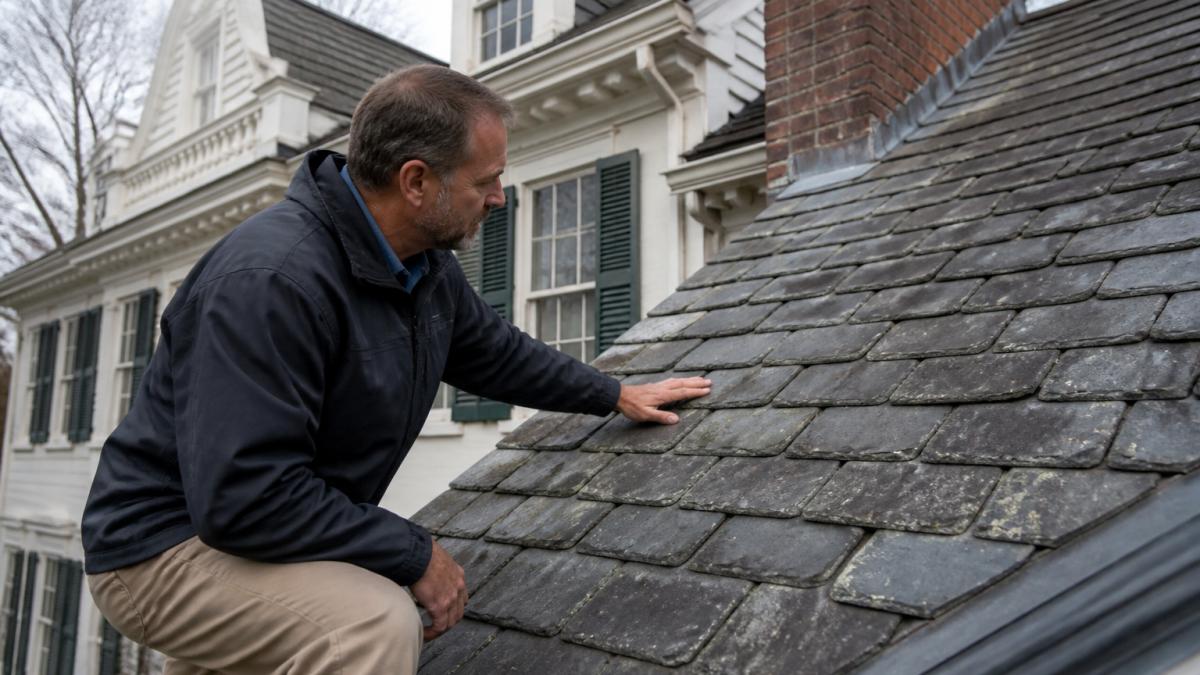
Historic homes in the Greater Cincinnati area often feature original roofing materials that have lasted 75-150 years. But when restoration time comes, homeowners face a critical decision: restore with authentic period materials or upgrade to modern alternatives that mimic the original look? This choice affects everything from your insurance rates to your home’s resale value to whether local preservation boards approve your project.
DGK Home Solutions has guided homeowners through this decision. The material you choose determines not just how your roof looks, but how it weathers Ohio’s freeze-thaw cycles, how often you’ll climb a ladder for maintenance, and whether you’ll pass a historic home inspection when you sell.
Natural Slate Tiles: The Gold Standard
Natural slate is the benchmark against which all other historic roofing materials are measured. When properly installed, slate tiles outlast the houses they protect, many slate roofs installed in the 1800s still perform flawlessly today.
What makes slate exceptional:
- Lifespan often exceeds 100 years with minimal replacement
- Each tile is unique, creating authentic visual character
- Naturally fire-resistant and resistant to rot, insects, and weather damage
- Adds significant resale value to historic properties
The practical challenges:
Slate’s weight is substantial. A typical slate roof weighs 800-1,200 pounds per square (100 square feet), compared to 200-300 pounds for asphalt shingles. Many older homes need structural reinforcement before slate installation, adding significant cost and complexity. The material itself is expensive, and skilled slate roofers are increasingly rare. Installation requires specialized knowledge; improper installation leads to cracking and premature failure.
Maintenance involves periodic inspection for cracked tiles and repointing of mortar joints.
Best for: High-end historic restorations where authenticity and longevity justify the investment. If your home originally had slate, this is the material preservation boards prefer.
Standing Seam Metal Roofing: Modern Durability Meets Historic Lines
Standing seam metal roofing offers a compelling middle ground: the clean lines and durability of modern engineering wrapped in a profile that respects historic architecture.
Metal roofing became popular in the 1800s and early 1900s, making it historically appropriate for many American homes.
Advantages for historic homes:
- Extremely long lifespan (50-70 years typical, often longer)
- Minimal maintenance, no repainting or resealing required
- Excellent wind and fire resistance
- Lighter weight than slate, often requiring no structural reinforcement
- Works well with Ohio’s heavy snow loads
Limitations to consider:
Without proper insulation, metal roofing amplifies rain and hail noise. Many homeowners find this unacceptable until they add acoustic underlayment (which increases cost).
Best for: Historic homes where durability and low maintenance outweigh the premium price. Ideal if your home originally had metal roofing or if you want a material that will outlast your ownership.
Clay Tiles: Traditional Character and Fire Resistance
Clay tiles evoke Mediterranean villas and Spanish colonial architecture. Each tile is kiln-fired, creating subtle color variations and a warmth that synthetic materials struggle to replicate.
Clay tiles have been used in North America since the 1700s, making them historically appropriate for certain architectural styles.
Why clay performs well:
- Exceptional fire resistance (Class A rated)
- Long lifespan with proper installation (60-100+ years)
- Natural insulation properties
- Beautiful aging that adds character
Real drawbacks:
Clay tiles are brittle. Impact from fallen branches, hail, or foot traffic during maintenance cracks tiles easily. The material is heavy, similar to slate, requiring structural assessment before installation.
Best for: Historic homes originally built with clay tile, particularly those with Mediterranean, Spanish, or Mission architecture. Not recommended unless your original roof was clay.
Cedar Wood Shingles: Authentic Colonial and Craftsman Restoration
Cedar wood shingles are the signature material of Colonial, Craftsman, and early American homes. The wood weathers to a silvery-gray patina that’s impossible to replicate artificially.
Historically, wood shingles were the standard roofing material across North America from the 1600s through the early 1900s.
Cedar’s genuine strengths:
- Authentic historic appearance that ages beautifully
- Natural insulation properties
- Renewable, biodegradable material
- Relatively lightweight, often requiring no structural reinforcement
Maintenance reality:
Cedar requires active care. Moss and algae grow in shaded areas, particularly in humid climates like Ohio. Left untreated, moss accelerates decay.
Cedar shingles typically last 40-60 years in Ohio’s climate, significantly shorter than slate or metal.
Best for: Homeowners committed to hands-on maintenance and those restoring Colonial or Craftsman homes where authenticity is the primary goal.
Synthetic Slate vs. Natural Slate for Historic Homes
The debate between synthetic and natural slate divides historic preservation professionals.
From a distance, quality synthetic slate is visually convincing. Close inspection reveals the difference, the surface texture, color uniformity, and slight plasticity give it away.
Synthetic slate advantages:
- Lightweight (typically 50-75% lighter than natural slate)
- Excellent impact resistance
- Easier installation, often compatible with existing roof structure
- Lower material cost than natural slate
- Minimal maintenance required
Where synthetic slate falls short:
Strict historic preservation boards often reject synthetic materials, particularly for homes on the National Register of Historic Places.
The real question: Does your home’s historic status require authenticity, or is visual similarity acceptable? If you’re selling to a buyer who values historic accuracy, natural slate commands higher resale value.
Best for: Homeowners who want the slate aesthetic without structural reinforcement or intensive maintenance.
Historic Roof Repair Cost Ohio: Budgeting for Your Project
Material selection directly drives project cost. DGK Home Solutions has completed historic roof restorations across the Greater Cincinnati area, and we’ve seen how material choice impacts total investment.
Natural slate requires structural assessment and potential reinforcement.
Standing seam metal roofing typically requires less structural work but demands specialized installation.
Clay tiles demand structural evaluation and specialized labor. Cedar wood shingles are less expensive upfront but require budget allocation for maintenance over their 40-60 year lifespan.
Synthetic slate offers the lowest installed cost while delivering 50+ year performance. The tradeoff is aesthetic authenticity and potential rejection by preservation boards.
Cost factors beyond materials:
- Structural reinforcement (if needed)
- Removal and disposal of existing roof
- Underlayment and ventilation upgrades
- Labor rates for specialized installation
- Local building permit requirements
- Historic preservation board approval (if applicable)
For a detailed estimate specific to your home and material choice, DGK Home Solutions provides free consultations where we assess your roof’s condition, discuss material options, and provide transparent pricing.
National Park Service Preservation Brief 29: Guidelines for Historic Roofing
The National Park Service’s Preservation Brief 29 is the gold standard for historic roof restoration guidance.
The National Park Service Preservation Brief 29 provides detailed guidance on material selection, installation methods, and maintenance practices. The brief specifically addresses roof form, pitch, overhang details, and flashing, all critical to authentic restoration.
For homeowners in Ohio with historic properties, consulting this brief before material selection ensures your restoration meets preservation standards.
The brief’s core principle: preserve what’s original; when replacement is necessary, choose materials that match the original in appearance and performance.
The 5 best materials for historic roof restoration each require balancing authenticity, durability, maintenance, and budget.
The right choice depends on your home’s original materials, your preservation goals, your budget, and how long you plan to own the property.
Frequently Asked Questions
What are the best materials for restoring a historic roof?
The best historic roof restoration materials depend on your home’s original construction and architectural style. Natural slate, clay tiles, cedar wood shingles, standing seam metal, and high-quality synthetic options each offer distinct advantages. Slate provides unmatched longevity and authenticity, while metal roofing combines durability with lower weight. Cedar shingles restore colonial and craftsman character. Your choice should balance historical accuracy, structural capacity, maintenance requirements, and budget. Consulting with a contractor experienced in historic restoration ensures your material selection aligns with your home’s architectural heritage.
How does synthetic slate compare to natural slate for historic homes?
Synthetic slate mimics natural slate’s appearance while offering significant practical advantages: it weighs 50-75% less, reducing structural strain on older homes, and requires minimal maintenance compared to natural slate. However, some historic preservation boards reject synthetics as inauthentic, particularly for properties with strict preservation covenants. Natural slate delivers unparalleled authenticity and longevity exceeding 100 years but demands structural reinforcement and carries substantially higher material and labor costs. For homeowners prioritizing appearance over strict historical accuracy, synthetic slate provides a viable compromise. Always verify local preservation requirements before deciding.
What does the National Park Service recommend for historic roof repairs?
The National Park Service Preservation Brief 29 emphasizes preserving original roofing materials whenever feasible and using period-appropriate replacements when restoration is necessary. The guidance prioritizes maintaining historic character through compatible materials, proper installation techniques, and avoiding incompatible modern products that compromise authenticity. The brief recommends consulting preservation specialists before undertaking major roof work on historic properties. For homeowners in historic districts, following these guidelines protects property value, maintains neighborhood character, and often qualifies for tax incentives. Professional contractors familiar with these standards ensure your restoration meets both preservation and performance requirements.
How much does historic roof restoration cost in Ohio?
Historic roof repair cost in Ohio varies widely based on material selection, roof size, structural requirements, and regional labor rates. Natural slate and clay tiles command premium pricing due to material scarcity and specialized installation expertise. Metal roofing and synthetic options typically cost less upfront but offer good longevity. Cedar shingles fall in the mid-range but require ongoing maintenance. Structural reinforcement needs, local permit requirements, and insurance claim involvement further affect final costs. For an accurate estimate tailored to your specific project, contact DGK Home Solutions for a free assessment of your historic roof’s condition and restoration needs.
Do I need a permit for historic roof restoration?
Most jurisdictions require permits for roof replacement, and historic properties often face additional review requirements. If your home is in a historic district or listed on the National Register of Historic Places, you may need approval from a historic preservation board before beginning work. These reviews ensure material choices and installation methods respect the property’s historical significance. Permit requirements vary by location and property designation. DGK Home Solutions can assist with understanding the permit process and communicating with preservation authorities, helping to ensure your restoration meets all local regulations and historical guidelines.